As an Amazon Associate, we earn from qualifying purchases. Some links on this site are affiliate links at no extra cost to you. Our recommendations are based on thorough research and editorial judgment.


When to Replace Gaskets, Lids, and Internal Hoses in Ice Makers

When it comes to replacing gaskets, lids, and internal hoses in ice makers, we should be vigilant. Look for cracks, tears, or bulges in gaskets and hoses, and make certain lids close tightly. If you notice mold or deterioration, it’s time to act. Regular checks every three to six months help with timing replacements. If ice quality suffers or production slows, inspect these components closely. Learn the best practices for maintaining peak performance in your ice maker next.
Key Takeaways
- Replace gaskets if cracks, tears, or deformation are visible, as they compromise sealing and efficiency.
- Check lids for gaps during closure; replace if they do not close tightly to maintain temperature control.
- Inspect internal hoses for leaks or bulges; replace if any damage affects water flow and ice production.
- Regularly clean gaskets; replace them if they become moldy or rigid, affecting hygiene and flexibility.
- Schedule maintenance inspections every three to six months to identify and replace worn parts before they cause significant issues.
Understanding the Importance of Gaskets, Lids, and Hoses in Ice Makers
When we think about ice makers, gaskets, lids, and hoses may not be the first components that come to mind. However, each part is essential for proper maintenance and performance. Gaskets guarantee tight seals to prevent heat exchange, which is vital for efficient ice production. A good fit allows consistent water flow, reducing frost buildup. Lids protect internal components from dust and moisture, enhancing hygiene and efficiency. Internal hoses transport water to the ice-making components, so cracks or leaks can greatly disrupt water flow and reduce output. By regularly inspecting gaskets, lids, and hoses, we can catch issues early. Using petroleum jelly during installation enhances gasket longevity, maintaining peak performance and preventing costly repairs. Regular maintenance, such as self-cleaning processes, is critical for ensuring the optimal performance of these components and the overall functionality of the ice maker.
Signs of Wear and Tear to Look For

It’s important for us to know the signs of wear and tear in our ice makers. We should inspect gaskets for cracks, tears, or deformation. These issues can lead to inefficient ice production and higher energy consumption. If lids don’t close tightly or have visible gaps, that could indicate wear, which may cause temperature fluctuations and harm ice quality. We must also check internal hoses for leaks, bulges, or deterioration. These problems disrupt water flow and lead to malfunctions. Additionally, watch for mold or bacteria around gaskets and lids, affecting cleanliness and posing health risks. Finally, if gaskets feel rigid or brittle, they probably need replacing to guarantee a proper seal in our ice-making maintenance. Regular maintenance, including checking daily ice production levels, can also help extend the lifespan of your ice maker.
Recommended Products

Volume: true 95 quart internal volume

Real OEM ice machine controls ensure easy operation and maintenance, keeping your machine running smoothly

LONG-LASTING CHLORINE REDUCTION - Bonded powdered activated carbon (PAC) media delivers over 150,000 gallons of chlorine taste and odor reduction at 4 gpm flow rate
Common Issues Caused by Damaged Components

Damaged components in ice makers can cause several common issues that compromise performance. For instance, malfunctioning gaskets can lead to air leaks, increasing energy costs and making the ice maker work harder. Similarly, cracked lids disrupt temperature control, slowing ice production and degrading ice quality. Internal hoses that are worn out or cracked can create water leaks, wasting resources and potentially harming surrounding components. These issues may even contribute to bacterial growth, raising health risks for consumers. Regular inspections and prompt replacement of these components are essential. Keeping an eye on damaged gaskets and compromised lids will help us prevent operational issues, ensuring our ice makers run efficiently and reduce the chances of unexpected breakdowns. Furthermore, the energy consumption of energy-efficient models may increase due to these damaged parts if not addressed timely.
Recommended Products

Replacement compatible for Samsung DA97-07365G Ice Maker Assembly

【Commercial Power, Locks in Freshness in Seconds】Equipped with a 550W high-torque motor and a 95kPa dual vacuum pump system, it achieves a professional-grade seal in seconds, preserving freshness up to 8x longer than traditional methods. The integrated fan-cooled system supports consecutive seals without overheating—ideal for bulk meal prep, sous vide, or commercial kitchens.

Replacement compatible for GE WR17X12591 Mullion Articulation Asm
How to Inspect Gaskets, Lids, and Hoses

To keep our ice makers running smoothly, we should regularly inspect gaskets, lids, and hoses. First, we need to check gaskets for creases or irregularities that might prevent proper sealing. Look for signs of brittleness or discoloration, as these could indicate they need replacement. Next, let’s examine the alignment of the lids; shutting the lid should not create any gaps, which can harm efficiency. It’s equally important to inspect internal hoses for cracks or leaks. These issues can lead to water flow inefficiencies, affecting ice production considerably. By performing routine visual inspections every few months, we can catch potential problems early and guarantee peak performance. Remember, timely replacement is key to our ice maker’s functionality. Regular checks for water flow inefficiencies can also help ensure your ice maker operates at its best.
The Role of Maintenance in Component Lifespan

While we may not always notice components wearing down, maintenance plays an essential role in extending their lifespan and ensuring our ice makers operate efficiently. Regular checks on gaskets, lids, and internal hoses can prevent wear and tear, which could lead to performance issues. Gaskets may need replacement every 1 to 2 years, depending on use and environment. We should inspect internal hoses quarterly for cracks or leaks to prevent water supply problems. Maintaining clean, lubricated gaskets with petroleum jelly can improve their fit and lifespan. Educating staff on signs of deteriorating parts helps detect issues early, reducing downtime and repair costs. Remember, proactive maintenance is key to keeping our ice machine running smoothly. Additionally, incorporating components with energy-saving features can enhance overall efficiency and longevity of the appliance.
Best Practices for Replacing Gaskets, Lids, and Hoses
Replacing gaskets, lids, and hoses is essential for keeping our ice makers running efficiently. We should regularly inspect gaskets for wear and tear, replacing them when we find cracks or tears. This prevents air leaks that impact efficiency. If lids show any signs of warping or damage, it’s time for a replacement. Damaged lids can hurt ice quality and consume more energy. Internal hoses need attention too; check for leaks or blockages. If we see any cracks, replace them to guarantee maximum water flow. For effective installation, soak new gaskets in warm water to eliminate shipping creases. Also, using petroleum jelly enhances their fit and lifespan, reducing the risk of premature wear. These practices enhance performance and efficiency. Additionally, higher production capacity is vital for ensuring that the ice maker meets demand, especially in commercial settings.
When to Seek Professional Help
How can we tell when it’s time to call in the experts for our ice maker? If we notice persistent leaks or water pooling around the unit, that’s a red flag. Gaskets, lids, or internal hoses probably need replacement. We’re also on the lookout for signs of deterioration like cracks or misalignment in gaskets and lids. Such issues compromise seals and ice quality. If we see discoloration or wear in internal hoses, we require professional help for accurate assessments. Unusual noises or inconsistent ice production often indicate faulty parts. If DIY repairs fail or the costs exceed 50% of new components, it’s time to consult a technician. Taking these steps guarantees our ice maker runs efficiently and produces high-quality ice. Additionally, understanding the benefits of countertop ice makers can help us recognize the importance of maintaining our appliances.
Cost Considerations for Replacement
What do we need to contemplate when budgeting for gasket and hose replacements in our ice makers? One key factor is cost considerations. Replacement gaskets typically range from $20 to $100, depending on our ice machine’s make and model. Internal hoses cost between $15 to $50, which is economical compared to potential water damage or performance issues. Regular maintenance stops energy loss from faulty seals, saving us money long-term. In our annual maintenance budget, we should include the costs for these preventative replacements to avoid unexpected breakdowns. Ignoring them can lead to expensive repairs, often exceeding the original cost of the parts. Timely upkeep is an essential step in maintaining our ice maker’s efficiency and performance.
Recommended Products
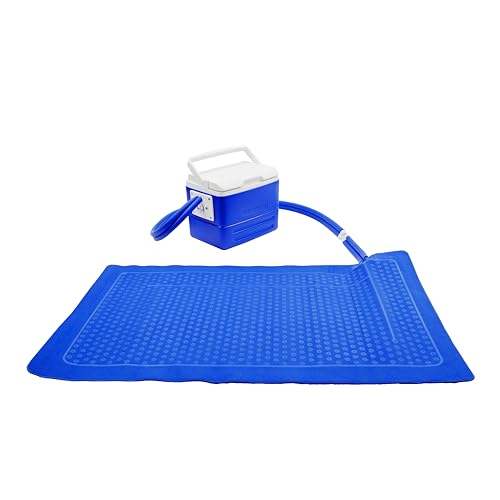
ADJUSTABLE ON/OFF CYCLES Our system integrates an inline timer control for handheld convenience, enabling you to set custom on and off cycles and adjust cold therapy flow to four different levels. This patent-pending feature ensures a personalized and safe cryotherapy session according to medical advice, making it perfect for post-surgery recovery and chronic pain management.

Replacement compatible for LG AEQ72910414 Ice Maker Assembly Kit
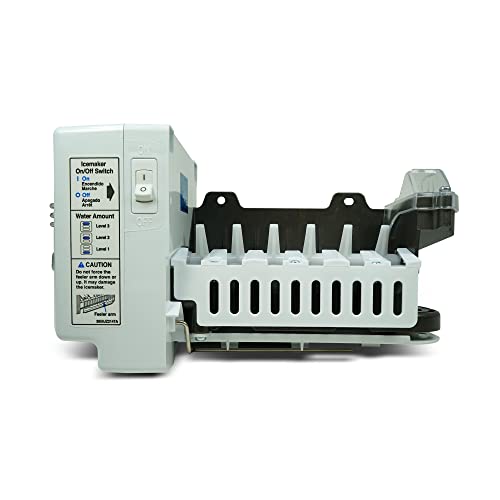
Replacement compatible for LG AEQ36756901 Ice Maker Assembly
Preventative Measures to Extend Component Life
To keep our ice maker running smoothly, we must focus on preventative measures that extend the life of gaskets and hoses. Regularly inspect these components for signs of wear, such as cracks or leaks. We should maintain an ideal operating temperature, preferably between 32°F and 50°F, to minimize stress on gaskets and internal hoses. Cleaning gaskets every month with warm, soapy water prevents mold growth and keeps them pliable. Additionally, using a lubricant like petroleum jelly can enhance gasket flexibility and sealing. Establishing a maintenance schedule, checking these components every three to six months, can help us catch issues early. By taking these preventative measures, we can avoid costly breakdowns and replacements while ensuring our ice maker operates efficiently. Maintaining energy-efficient designs not only extends the life of components but also minimizes operational costs.
Recommended Products

【Multi-Use Beverage Station】This commercial slush machine is a beverage powerhouse, perfect for cranking out margaritas, classic slushies, and frosty cold drinks with ease. Toggle between modes seamlessly and have your drinks ready in 15–50 minutes, depending on your recipe. Thanks to its high-performance cooling technology, beverages drop to their ideal temperature in no time, and the streamlined cup-loading design lets you keep up with orders even during the busiest peak rush hours—no lulls, no backed-up lines
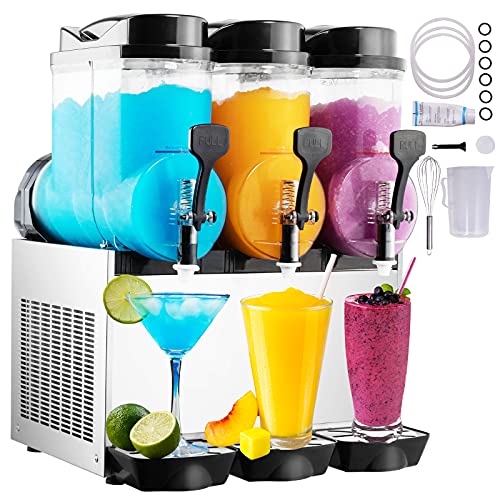
Keep Material Safe & Hygiene: TECSPACE commercial slushy machine is made of superior food-grade 304 stainless steel, due to excellent corrosion resistance, the surface finish and durability are maintained even in humid or high-temperature environments, ensuring the purity and quality of liquid. The bowl of the slushy machine adopts smooth food-grade PC material(polycarbonate), beverage residues are not easy to adhere to the surface and are easy to clean.
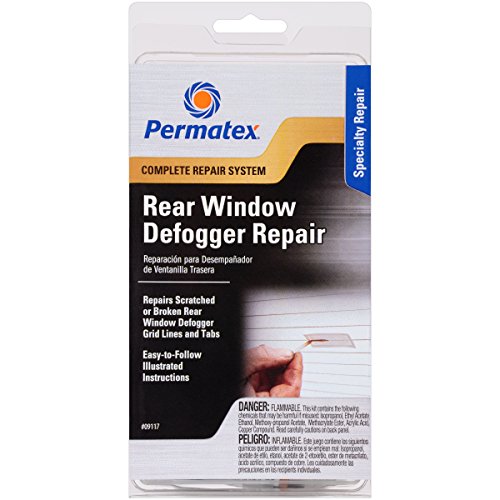
Everything required for making professional-quality repairs in just minutes
Frequently Asked Questions
How Do I Know When My Ice Maker Needs to Be Replaced?
It’s clear it’s time to replace our ice maker when we notice indicators like ice production decline, unusual noises, water leaking, frost buildup, or changes in ice taste. Regular maintenance helps us catch these signs early.
What Is the Most Important Part of Ice Machine Maintenance?
The most important part of ice machine upkeep is regular maintenance. We should watch for gasket replacement signs, guarantee lid sealing techniques are effective, practice internal hose care, and follow maintenance schedule tips for troubleshooting ice makers.
What Is the Life Expectancy of an Ice Maker?
The ice maker lifespan varies between 7 to 15 years. We should watch for signs of aging, follow maintenance tips, and consider efficiency factors and common issues to avoid increased replacement costs once warranty coverage expires.
Why Is My Ice Maker Hose Leaking?
We’ll often find our ice maker’s hose leaking due to common wear or improper installation. By troubleshooting carefully and detecting wear, we can apply hose replacement tips to maintain a steady water supply and prevent damage.


