As an Amazon Associate, we earn from qualifying purchases. Some links on this site are affiliate links at no extra cost to you. Our recommendations are based on thorough research and editorial judgment.


Common Countertop Ice Maker Problems and Easy Fixes

We often encounter common countertop ice maker problems, such as power issues, water supply blockages, and slow ice production. Check that the power cord is plugged in and the circuit breaker isn’t tripped. For water flow, confirm valves are open and replace filters every six months. If ice is thin, maintain freezer temperatures between 0°F and 5°F for peak performance. Regular maintenance helps, and we’ll explore additional tips to keep your ice maker running smoothly.
Key Takeaways
- Check power connections and ensure the unit’s power switch is on; tripped circuit breakers may disrupt operation.
- Verify water supply valves are fully open, and replace water filters every six months to ensure proper water flow.
- Maintain freezer temperatures between 0°F and 5°F for optimal ice production; high temperatures hinder performance.
- Regularly clean the ice mold and related components to prevent jams and ensure smooth operation.
- Monitor and adjust ambient temperature between 50°F and 90°F to keep the ice maker functioning effectively.
Understanding Countertop Ice Makers
When we think about countertop ice makers, it’s clear they play an important role in providing us with quick access to ice. These compact machines, ideal for hotels, offices, and homes, produce ice by cycling water through a freezing compartment before ejecting it into a storage bin. There are two main types: portable units, which we can easily move, and built-in models meant for permanent installation. To guarantee our countertop ice maker functions at peak performance, regular maintenance is vital. This includes cleaning filters and inspecting water lines. We also need to provide a proper water supply and keep the ambient temperature between 50°F and 90°F for portable units to avoid common issues like inefficient ice production. Additionally, considering the daily ice production capacity is essential for ensuring your needs are met during gatherings.
Common Reasons Ice Maker Isn’t Working

If our ice maker isn’t working, several common issues could be the culprit. First, let’s check the control arm or power switch; it might be turned off. An insufficient water supply is another possible reason, caused by low reservoir levels or a disconnected auto-refill hose. A clogged water filter can restrict flow, leading to no ice production, so be sure to inspect the filter for blockages. Additionally, the freezer temperature needs to be set between 0°F and 5°F; anything warmer can impair ice production. Finally, ice buildup in the tray can obstruct ejection. We should look for any jams and manually remove stuck cubes to restore function. It’s also essential to consider that ice-making cycle time typically ranges from 8 to 18 minutes, which plays a role in overall ice production efficiency.
Recommended Products

Auto Alert indicator lights: Innovative LED lights keep you informed of your machine’s operating status, signaling your staff when it is time to descale, sanitize and more.
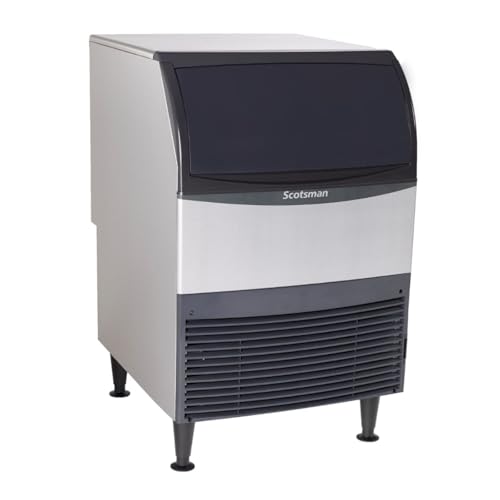
HIGH PRODUCTION CAPACITY FOR DEMANDING USE: The UN324A-1 ice maker machine with bin delivers up to 340 lbs of chewable nugget ice daily, ideal for restaurants, cafés, bars, and healthcare environments.

Dispenses ice & water for unparalleled convenience: Commercially approved nugget countertop ice and water dispenser ideal for use in hospitals, clinics, break rooms, and similar settings. ETL-S listed to NSF-12 commercial standards. Three dispenser functions - ice, water, or ice+water.
Power Problems: No Electricity to Ice Machine

Power problems can often be traced back to issues with electricity supply to the ice maker. First, check if the power cord is securely plugged into a functioning outlet. A loose connection can easily cause a malfunctioning ice maker. Next, inspect the circuit breaker for any tripped switches; power outages or surges can interrupt the electricity supply. Testing the ice maker in an alternative outlet can help identify if the original socket is the problem. Don’t forget to verify the power switch is set to “on.” Even a slight nudge of manual control arms can halt operation. If we’ve done all this and the unit remains unresponsive, internal electrical issues might need professional attention. Additionally, make sure to consider the power of at least 250 watts, as insufficient power can impact the performance of any electric appliance.
Recommended Products

Commercial nugget ice maker, Ice and Water Dispenser with Storage (HID207AX-1+HSTCD16-A): Produces up to 196 lb of nugget-style, Original Chewable Ice daily, ensuring a consistent and ample supply for demanding environments.

[High Production Rate]This commercial ice machine produces 200 pounds of clear ice cubes per day and equips with an ice bin of 80-pound storage capacity. Great for meeting the high demands of busy bars, cafes, restaurants, etc. A powerful and efficient compressor with eco-friendly refrigerant R290 makes ice quickly while saving energy.

High-Efficiency Ice-making for Every Need: Powered by an advanced R290 compressor, the undercounter ice maker can produce up to 130 lb of ice daily, 32 cubes in just 11–20 minutes, perfect for cocktails, water bottles, or blended drinks. Its built-in removable storage bin holds 30 lbs of ice, and with auto-shutoff to prevent overflow
Water Supply Problems: No Water to Ice Machine

A properly functioning water supply is essential for your ice maker to produce those crunchy ice cubes we all enjoy. First, let’s verify all water supply valves are fully open for proper flow. If there’s no water, check for frozen water lines which can restrict the water supply; a hairdryer set to low heat can help thaw any frozen sections. Next, verify the auto-refill hose is securely connected to the water source, as any disconnection can interrupt the water flow. Finally, a clogged water filter can impede water flow; it’s best to replace filters every six months. Remember, the water pressure should be between 30-120 psi, as low pressure can stop production completely. Additionally, maintaining a proper ice production rate is vital for ensuring that your ice maker functions consistently and meets your needs. Let’s get that ice flowing!
Recommended Products

[Trusted certification] Tested and certified by IAPMO R&T against NSF/ANSI 42 & 58 & 372 standard, and tested by SGS to reduce harmful substances
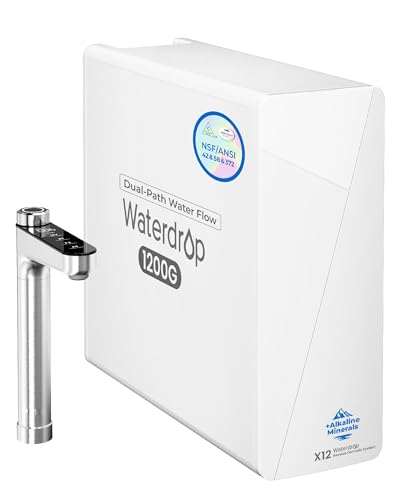
One filter is included in the package. Search "Waterdrop D6RF" for replacement filters

Sediment and compressed carbon block pre-filtration removes tiny particles like rust, silt, taste and odor-causing chemicals like chlorine, chloramine and rotten-egg odors.
Ice Production Issues: Slow Ice Production or Thin Ice

When our ice maker is slow to produce ice or yields thin cubes, it can be frustrating, especially during hot weather. Several common causes affect ice production. First, check the freezer temperature; it should be between 0°F and 5°F for efficient freezing. If it’s too warm, ice won’t freeze properly. Next, consider water quality. Hard water can lead to mineral buildup, creating crunchy, thin ice; using filtered water often improves cube density. We should also inspect the water supply for clogs or frozen lines. Finally, the thermostat may need calibration, impacting the freezing cycle. Regular maintenance, like cleaning evaporator plates, is essential for peak ice production. Additionally, ensuring the machine is operating at an appropriate noise level can help diagnose issues, as excessive noise might indicate underlying problems. Following these steps will help us enjoy reliable ice anytime we need it.
Recommended Products
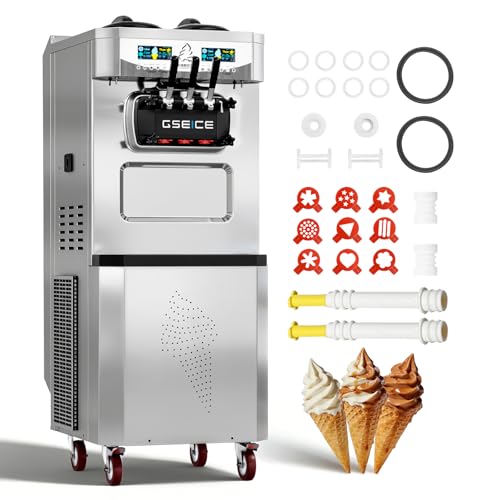
True independent left/right operation helps this commercial soft serve ice cream machine keep service moving during busy hours. If one side needs adjustment, the other side can continue serving, making it a stronger fit for real daily commercial use.

[100LBS/24H NUGGET ICE + 12LB STORAGE] Produces commercial-grade chewable ice (100Lbs daily) with a 12Lb storage bin—enough for 350+ drinks. The rapid-cooling system makes fresh ice in minutes, not hours.
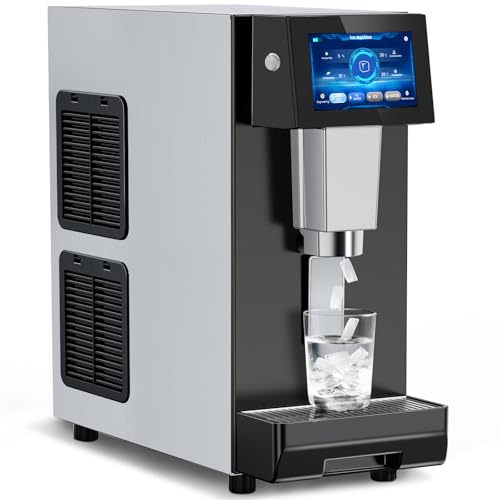
[100LBS/24H NUGGET ICE + 12LB STORAGE] Produces commercial-grade chewable ice (100Lbs daily) with a 12Lb storage bin—enough for 350+ drinks. The rapid-cooling system makes fresh ice in minutes, not hours.
Ejection Problems: Ice Not Ejecting Properly
Having trouble with ice not ejecting properly can be frustrating, especially if you’re relying on your countertop ice maker for chilled drinks. Ice ejection problems often stem from blockages due to ice buildup in the ejection mechanism or debris. Let’s keep those components clean for better operation. If you find the control arm nudged up, that can prevent ice from ejecting, so make sure it’s down. Similarly, frozen water lines can hinder the process; using warm water or a hairdryer can thaw those obstructions. We should also regularly check for mechanical issues, ensuring connections are tight. Finally, inspect the infrared sensor and the ice tray for any ice blocks, as these can disrupt the normal ejection cycle. To maintain efficient ice production, it’s crucial to implement regular self-cleaning features, allowing for consistent performance and quality ice.
Recommended Products

Designed for small to medium sized businesses, and durably built to perform day in and day out, the K2550 Plumbed Commercial Coffee Maker delivers beverages everyone will enjoy, now with a new brew over ice feature, REPLACES old model K2500

OPAL NUGGET ICE, THE GOOD ICE - Serve up chewable, crunchable, craveable nugget ice that's ready fast and retains its flavor, unlike traditional hard cubes. Refreshing nugget ice is made from compacted ice flakes and is perfect for cocktails, sodas and other beverages

ECONOMICAL: Without the use of plastic bottles, this Clover D7A saves you hundreds per year. Instead, the water comes from your existing plumbing for cleaner water and extra efficiency
Electrical and Setup Issues
To guarantee our countertop ice maker runs smoothly, we need to pay attention to electrical and setup issues. First, confirm it’s plugged into a grounded AC120V/60Hz outlet for proper power supply. If the ice maker isn’t producing ice, check that the switch or control arm is in the “on” position. Power outages can lead to blown fuses or tripped circuits, disrupting functionality. Next, improper installation can hinder performance. Verify that all electrical components are intact and that the water supply is securely connected. Any damage or faults here will prevent effective operation. Additionally, ensure that the ice production capabilities are high enough to meet your needs, as this can affect overall satisfaction. Keeping these factors in mind, we can avoid frustrating issues and enjoy our crunchy ice without hassle. Check these points regularly for maximum performance.
Verify Water Supply
Ensuring our countertop ice maker has a reliable water supply is essential for ideal performance. First, we need to verify water supply and make certain the reservoir is filled to the “Max” line. The water temperature should be between 46°F and 82°F for optimum ice production. Next, confirm that the auto-refill hose is properly connected and that the faucet supplying water is turned on. It’s vital to check the water line for kinks or blockages that might impact the flow. Additionally, ascertain the water line is open and operating at 30-120 psi for compatibility. By regularly inspecting these elements, we can maintain consistent, crunchy ice production and a smooth operation. Furthermore, ensuring that the machine is energy efficient can also help reduce overall energy consumption for energy-efficient models.
Inspect the Water Filter and Line
After verifying the water supply, we should turn our attention to the water filter and line. First, let’s check the water filter. If it’s older than six months, it needs replacing to maintain peak ice production quality. Next, we’ll inspect the water line for kinks, leaks, or insecure connections, as these can restrict water flow and trigger alerts like “Add Water.” It’s also essential to inspect the water screen in the reservoir for clogs; clearing or replacing it can solve ice production issues. If you suspect frozen water lines, use a hairdryer on low heat to thaw them safely. Finally, make sure we’re using filtered water to prevent scaling that could affect our ice maker’s efficiency. Additionally, ensuring efficient ice production capabilities is vital for optimal ice supply during gatherings.
Adjust Freezer or Ambient Temperature
While we might love having cold, crunchy ice on hand, we need to guarantee our countertop ice maker is working at peak efficiency. The ideal freezer temperature for optimal ice production is between 0°F and 5°F (-18°C to -15°C). If the freezer temperature is higher, it can lead to inadequate ice production and may prevent the unit from cycling properly. Additionally, we should maintain ambient temperatures between 50°F and 90°F (10°C to 32°C) for the best results. If our ice maker is in a warm area, relocating it to a cooler space can enhance ice production effectiveness. Using a thermometer can help us monitor the freezer temperature, ensuring it remains within the required range at all times. Additionally, keeping the ice maker within energy-efficient designs can further improve overall performance and ice yield.
Clear Ice Buildup or Jams
Ice can sometimes pile up in our countertop ice maker, which leads to frustrating jams. When ice buildup occurs in the tray and surrounding components, it can obstruct proper ejection, resulting in ice jams that hinder production. Regularly inspecting and cleaning the ice mold, tray, and moving parts can prevent these issues. To troubleshoot, we can use a plastic utensil to gently break apart any stuck cubes, ensuring we don’t damage the machine. It’s also essential to maintain ideal temperatures below 0°F to minimize crystallization and blockages. In addition, if our model has an infrared sensor, routinely checking and cleaning it helps prevent jams by ensuring the ejection cycle remains uninterrupted. Regular maintenance keeps our ice maker running smoothly.
When to Call a Professional
When should we consider calling a professional for our countertop ice maker? If we face constant power failures despite checking connections, it’s a sign to reach out. Additionally, if we notice oily residue indicating a refrigerant leak or the machine isn’t cooling, we need professional assistance immediately. Continuous water leakages that basic troubleshooting can’t fix also require expert attention. If our ice maker makes strange noises, or if components like the compressor aren’t working, we should consult a technician. Repair costs can escalate quickly if we delay, especially with ongoing signs of wear. For any recurring issues, or if we’re uncertain about handling repairs, it’s best to call a professional to guarantee safe and effective solutions.
Frequently Asked Questions
Why Do Countertop Ice Makers Stop Working?
Countertop ice makers can stop working due to ice production issues stemming from water supply problems, clogged filters, or incorrect temperature settings. Let’s check these factors to guarantee our ice makers operate smoothly and efficiently.
What Is the Life Expectancy of a Countertop Ice Maker?
Most countertop ice makers last between 3 to 10 years. For instance, our high-quality brand outlasted cheaper models. By following maintenance tips, we can guarantee our ice maker enjoys a longer average lifespan comparison with better longevity.
How Do I Reset My Countertop Ice Maker?
To reset our countertop ice maker, we can follow the reset procedure—unplugging it for 5 minutes. After that, let’s confirm water supply connections are solid for peak ice production and consult troubleshooting tips if needed.
Is It Worth Repairing an Ice Maker?
Absolutely, it’s often worth weighing repair costs against longevity factors. With some savvy troubleshooting tips, we can help extend our ice maker’s life, making fixing it a financially smart choice while savoring our chilled treats!


