As an Amazon Associate, we earn from qualifying purchases. Some links on this site are affiliate links at no extra cost to you. Our recommendations are based on thorough research and editorial judgment.


Dorm and Office Etiquette for Shared Ice Makers

When using shared ice makers, we must prioritize cleanliness and safety. We should sanitize our hands before and after use. Always use clean cups for ice refills, and never dispose of food in the drip tray. Close the ice bin door quickly to avoid contamination. It’s essential to report any issues to the resident adviser. By following these simple guidelines, we can keep our ice makers safe and functional. There’s more to learn about maintaining these machines effectively.
Key Takeaways
- Always sanitize hands before and after using the ice machine to prevent germ spread.
- Use a clean cup for each refill and avoid food or drinks near the ice maker.
- Close the ice bin door immediately after use to limit contamination.
- Report any ice machine issues to resident advisers for prompt maintenance.
- Participate in community cleaning days to enhance hygiene and shared responsibility.
Importance of Ice Machine Safety Protocols
When we think about shared ice makers, safety protocols become essential for maintaining hygiene. Proper ice machine protocols help limit the spread of germs in shared spaces. It’s important for us to practice hand sanitation before and after using the ice maker. This maintains ice quality and enhances cleanliness. Additionally, we should always prohibit foreign food or drink in the ice machine drip tray. This prevents contamination and keeps our ice free from unwanted particles. To stay informed, visible usage rules should be displayed near each ice maker, guiding us on the right practices. Following these regulations guarantees the safe and efficient use of ice makers, benefiting everyone who relies on these essential resources daily. It’s also crucial to understand that regular maintenance and self-cleaning features can significantly improve the cleanliness of the ice being produced.
Guidelines for Ice Machine Use in Dorms

To guarantee a smooth and hygienic experience when using the dorm ice machine, we should adhere to several key guidelines. First, we need to wash or sanitize our hands before and after using the machine. This minimizes bacteria transfer and promotes hygiene. We must utilize a fresh, clean cup for each ice refill; reusing cups invites contamination. It’s essential not to dispose of any foreign food or beverages in the ice machine’s drip tray. After use, let’s remember to immediately close the ice bin or machine door. Reporting any issues with the machine to our resident adviser will ensure it remains clean and functional for everyone. By following these practices, we take pride in our shared ice machine ownership and safe use. Additionally, it is beneficial to be aware of the daily production capacity of the ice maker to ensure we do not overwhelm it during peak usage times.
Best Practices for Ice Bin Usage

Although we often take the ice bin for granted, using it properly can greatly maintain hygiene and quality. First, we should always sanitize or wash our hands before using the scoop to prevent bacteria transfer. It’s vital to store the ice scoop in a clean holder, guaranteeing it doesn’t touch the ice directly. After each use, let’s quickly close the ice bin door to limit contamination from outside sources. We must also refrain from eating or drinking while handling ice, as this can introduce foreign substances. Regular cleaning of the ice bin area is essential, as it minimizes biofilm growth and upholds proper hygiene. Additionally, routinely checking for self-cleaning features can further enhance the cleanliness of the ice machine. Following these best practices guarantees we can enjoy crisp ice from shared ice makers safely.
Recommended Products
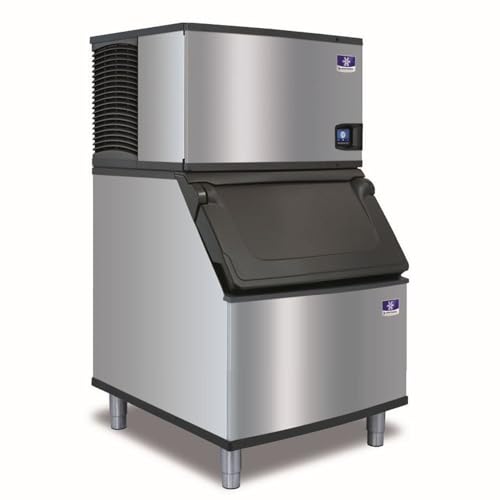
Manitowoc Indigo NXT Series Commercial Ice Maker Machine | Half Cube, 1965 lb/Day with D970 Storage Bin – IYT1900A+D970 High-Volume Ice Storage: Delivers up to 1965 lbs of ice per day at 70°F/50°F, AHRI certified for 1535 lbs at 90°F/70°F, and includes a D970 storage bin for efficient ice management.

Manitowoc Indigo NXT Series Commercial Ice Maker Machine | Full Cube, 1196 lb/Day, Head Only – IDT1200A Unrivaled Ice Production: Produces up to 1196 lbs of full-cube ice per day at 70°F/50°F, ensuring a reliable supply for busy commercial environments.

Manitowoc Indigo NXT Series Commercial Ice Maker Machine | Full Cube, 851 lb/Day, Head Only – IDT0900A Impressive Ice Production: Delivers a high production capacity of up to 851 lbs per day at 70°F/50°F, ensuring a reliable and abundant ice supply for busy environments.
Rules for Ice and Beverage Dispensers

Using the ice and beverage dispensers correctly is vital for maintaining both hygiene and enjoyment. We should always sanitize our hands before and after using these shared ice makers. By doing this, we can minimize the risk of contamination. Let’s make certain we use a fresh single-use cup for each refill or clean our cup thoroughly between uses. It’s essential that no foreign beverages or food items end up in the drip tray, as they can contaminate the ice supply. We should also display rules visibly near the dispensers. This encourages proper practices among everyone nearby. Consistently following these rules helps maintain a clean and safe environment around the ice and beverage dispensers, supporting everyone’s health and enjoyment. Regular checks for signs of a need for descaling ensure the ice maker operates efficiently and produces high-quality ice.
Recommended Products

PRE-FILLED & READY TO DISTRIBUTE – Designed for schools, nurse offices, and nonprofit programs. Each kit comes fully assembled with 1 tampon, 1 maxi pad, 2 feminine wipes, and 1 alcohol cleansing wipe—saving your staff and volunteers hours of manual assembly, sorting, and repacking.

Touchless, sensor activation (bottle filler) designed for easy use; easy-to-operate push-bar activation (bubbler).

𝗖𝘂𝘀𝘁𝗼𝗺𝗶𝘀𝗮𝗯𝗹𝗲 𝗵𝗼𝘁 𝗱𝗿𝗶𝗻𝗸 𝗰𝘂𝗽𝘀 𝗳𝗼𝗿 𝘆𝗼𝘂𝗿 𝗯𝗿𝗮𝗻𝗱: Add your business logo or text to high-quality disposable paper cups, perfect for creating brand visibility. Click “Customize Now” to start designing your dream personalized paper cups
Regular Cleaning Procedures for Ice Machines

Regular cleaning is vital for maintaining ice machines, and we recommend doing it at least twice a year. Deep cleaning helps guarantee safety and hygiene standards for shared ice makers. Weekly, we should disinfect surfaces, using food-grade bleach or EPA-approved cleaning solutions for effective sanitation. Pour undiluted bleach down the drain in ice dispensers to prevent harmful bacterial buildup. Regular maintenance includes checking the cleanliness of the drain to prevent clogs and guarantee efficient operation. With increased traffic, it’s important to adjust our cleaning schedule accordingly. By following these regular cleaning procedures, we can create a safe and hygienic environment for everyone using the ice machines, making sure our ice remains clean and safe to enjoy. Additionally, incorporating self-cleaning features in our choice of ice makers can further enhance maintenance efficiency.
Choosing Safe Ice Machine Equipment
When selecting ice machine equipment, our priorities should include safety, hygiene, and ease of use. We recommend choosing touchless ice and beverage dispensers. These models greatly reduce human contact, minimizing germ transmission risks. Additionally, it’s important to follow sanitation protocols by displaying clear usage rules near each dispenser. Regular maintenance is vital; arrange biannual deep cleanings by certified technicians to guarantee safety and hygiene. When cleaning, utilize EPA-approved food-safe cleaning solutions daily. These practices help maintain a safe ice environment, making certain the ice we consume remains uncontaminated. By prioritizing these aspects when choosing safe ice machine equipment, we create a careful approach to shared facilities in both dorm and office settings. Self-cleaning ice makers effortless maintenance significantly reduce the time and effort needed to ensure hygienic ice production.
Recommended Products

Manitowoc Indigo NXT Series Commercial Ice Maker Machine | Half Cube, 490 lb/Day with SFA312 Ice Dispenser – IYT0450A+SPA312 Convenient Ice Supply: Produces up to 490 lbs of ice per day at 70°F/50°F, AHRI certified for 378 lbs at 90°F/70°F, with the SFA312 dispenser for smooth and efficient ice distribution.

Touchless, sensor activation (bottle filler) designed for easy use; easy-to-operate push-bar activation (bubbler)
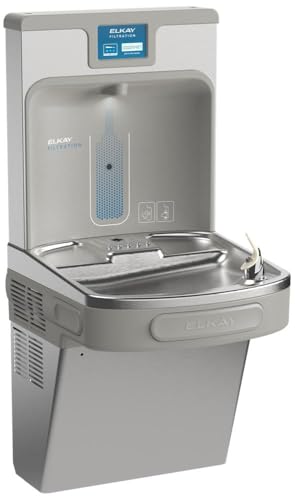
CERTIFIED SAFER WATER — NSF 401 CERTIFIED FOR LEAD, MICROPLASTICS & MORE — Built-in filter independently certified to NSF 42, 53 & 401 — one of the highest filtration standards available — reducing lead, microplastics, chlorine taste & odor, and Class 1 particulates. Replace every 12 months or 6,000 gallons (filter 51600C)
Prohibited Items Around Ice Machines
To maintain a safe and hygienic ice environment, it’s essential that we recognize what items are prohibited around ice machines. Eating or drinking near these machines is strictly forbidden to prevent ice contamination from food and beverages. We must avoid disposing of foreign containers in the drip tray, as this compromises hygiene standards. Ice scoops should be stored in designated sanitary holders outside of ice bins, ensuring they don’t touch the ice. It’s also important that we only use sanitized personal containers and fresh cups for scooping ice. By practicing proper sanitization, such as washing our hands before and after using the machines, we can effectively limit germ transfer and enjoy fresh ice without worries. Using clear ice is particularly beneficial because it melts slower and preserves the drink’s flavor.
Recommended Products

Commercial Ice Machine Nugget Style by Scotsman NH0922A-32+B322S: High Production Capacity Capable of producing up to 952 lbs of nugget ice per day at 70°/50° and 740 lbs at 90°/70°, ensuring a steady supply for busy environments.
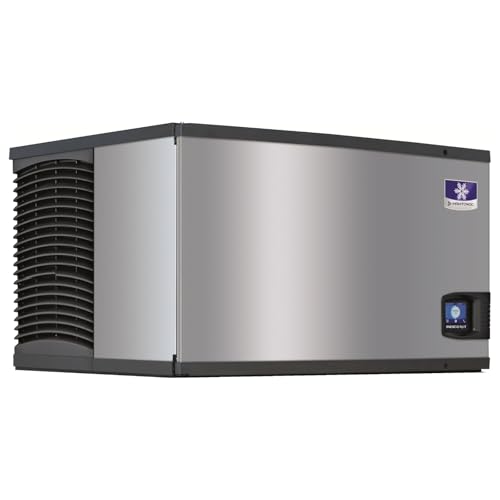
Manitowoc Indigo NXT Series Commercial Ice Maker Machine | Half Cube, 310 lb/Day, Head Only – IYT0300A Efficient and Compact: Produces up to 310 lbs of half-cube ice per day at 70°F/50°F, with AHRI certification for 230 lbs at 90°F/70°F, designed for space-conscious businesses.
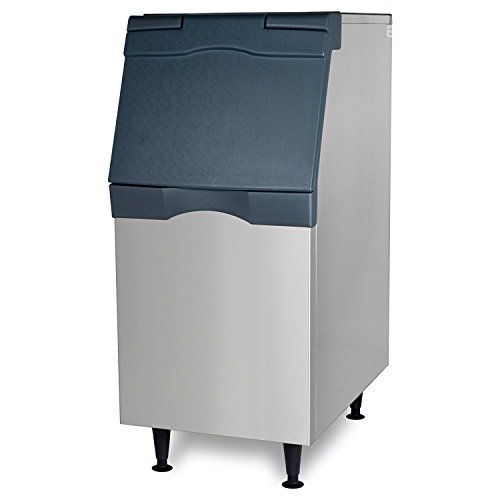
Exterior: Metallic exterior finish and NSF-approved construction.
Reporting Ice Machine Issues
Spotting issues with an ice machine is essential for ensuring we have access to clean, fresh ice. If we notice any problems, like poor ice quality, leaks, or strange noises, we need to document them. This information is vital when reporting issues to our resident adviser or building manager, who can facilitate necessary maintenance. Familiarizing ourselves with the reporting procedures specific to our location is equally important. We should check common areas for maintenance schedules and contact details. By encouraging fellow residents or coworkers to report issues promptly, we can maintain hygiene and functionality within shared ice makers. Remember, addressing these concerns quickly helps everyone enjoy reliable ice in a clean environment. Additionally, understanding the energy efficiency ratings of our ice makers can aid in identifying potential operational issues.
Community Engagement for Ice Safety Awareness
Engaging our community around ice safety awareness is crucial for maintaining the cleanliness and functionality of our shared ice machines. We can start by organizing community cleaning days to enhance hygiene standards, which reinforce our shared responsibility for cleanliness. By using social media platforms, we can share ice safety tips and spark discussions on ice machine etiquette and proper usage. It’s important to educate everyone about contamination risks associated with improper use. Informational sessions can raise awareness of infection control practices. Establishing a routine to share guidelines on regular cleaning will further strengthen community engagement. Together, let’s guarantee our ice machines remain safe and enjoyable resources for everyone. Adopting these initiatives will create a safer, cleaner environment. Additionally, implementing regular checks on the self-cleaning features of our ice makers will help maintain optimal hygiene standards.
Frequently Asked Questions
Should I Bring an Ice Maker to College?
Bringing an ice maker to college could be worth it, but let’s consider space limitations and roommate agreements. We should weigh energy consumption, appliance noise, and kitchen hygiene against our college budgets and ice storage needs.
Do You Have to Empty Countertop Ice Makers?
We don’t have to empty countertop ice makers after every use, but regular ice maker maintenance is essential. Sharing appliances means following hygiene practices and ensuring fresh ice, especially in our small college spaces.
Are Ice Machines Common in Hotels?
Yes, ice machines are common hotel amenities, often found in shared spaces. We consider ice maker maintenance, ice quality standards, and traveler convenience, while adhering to hotel policies regarding noise concerns and sustainability practices for all guests.
Should the Ice Maker Handle Be up or Down to Make Ice?
When it comes to ice makers, we should keep that handle down for maximum ice production efficiency. It’s essential for the ice harvesting mechanism to function, following user manual guidelines and ensuring proper ice maker maintenance.


