As an Amazon Associate, we earn from qualifying purchases. Some links on this site are affiliate links at no extra cost to you. Our recommendations are based on thorough research and editorial judgment.


Carbonation Basics: CO2 Handling, Safety, and Taste Consistency

To achieve perfect carbonation in beverages, we must understand CO₂ handling and safety measures. We should use food-grade CO₂, infused at 30-50 PSI, for the highest quality. Storage is critical: guarantee tanks are well-ventilated and leak-free. Keeping liquids cold enhances CO₂ absorption, leading to that crunchy fizz we love. Regular checks for impurities and pressure inconsistencies will help maintain taste consistency. Staying informed about these factors will further enrich our carbonation experience and enjoyment.
Key Takeaways
- Ensure the use of beverage-grade CO₂ for cleanliness and consistency in flavor while carbonating drinks.
- Store CO₂ tanks in well-ventilated areas to prevent leak hazards and understand CO₂ safety considerations.
- Regularly inspect CO₂ tanks for pressure inconsistencies to maintain ideal carbonation levels between 30-40 PSI.
- Cold liquids enhance CO₂ absorption, maximizing carbonation and improving the sensory experience of fizzy beverages.
- Minimize dissolved oxygen levels and test for impurities to preserve freshness and taste consistency in carbonated drinks.
Understanding Carbonation
When we think about carbonation, we’re really diving into a scientific process that’s essential for many of our favorite drinks. Carbonation occurs when carbon dioxide gas is infused under pressure into a liquid. The maximum solubility of CO₂ in water is about 8 grams per liter. Most carbonated beverages contain approximately 3 to 4 volumes of CO₂. This infusion forms carbonic acid, giving drinks a slightly sour taste and enhancing their flavor. Factors like temperature, pressure, and surface contact affect carbonation levels; colder liquids absorb more gas. The tingling sensation we feel on our tongues when drinking these fizzy beverages adds to our enjoyment. Understanding these details can help us choose and appreciate the best carbonated options, especially with customizable carbonation levels that allow for personalized fizz intensity.
The Mechanism of Carbon Dioxide in Beverages

Carbon dioxide is the star player in the fizz we love in our drinks. When we carbonate beverages, we saturate them with CO₂ under pressure. This process creates carbonic acid, which adds a slight acidity and improves flavor. In commercial soft drinks, we typically use 3 to 4 volumes of CO₂, translating to 6 to 8 grams per liter for the best taste experience.
When we open a can or bottle, the pressure releases CO₂, forming bubbles that create a crunchy, fizzy sensation. Temperature also affects carbonation efficiency; colder liquids absorb more CO₂, enhancing that enjoyable effervescence. Reliable measurement tools, like Zahm CO₂ testers, help guarantee we maintain the perfect carbonation levels for our sparkling beverages. Understanding custom carbonation levels is essential for achieving your desired fizz experience.
Importance of CO2 Handling

Proper handling of CO₂ is essential for guaranteeing both taste and safety in our beverages. Using beverage grade CO2 is important because it contains fewer impurities than regular air. This secures our drinks remain clean and fizzy. We should source CO2 from reputable suppliers, whether specialized gas companies or local homebrew shops. Regular testing and certification of our CO2 tanks help maintain quality consistency. We must also store these tanks in well-ventilated areas to mitigate risks associated with leaks and guarantee everyone’s safety. Understanding the hazardous material classification of CO2, like UN 1303, is critical during transportation and use. By following these guidelines, we can effectively manage our carbonation systems and deliver great-tasting beverages.
Recommended Products

24 inch wide kegerator can be built in undercounter to provide a seamless look in your home bar or kitchen

The perfect solution for designing and customizing your own kegerator setup

BUILT-IN OR FREESTANDING USE: Undercounter kegerator can be built into cabinetry to provide a seamless look in your kitchen or home bar.
Safety Considerations in Carbonation
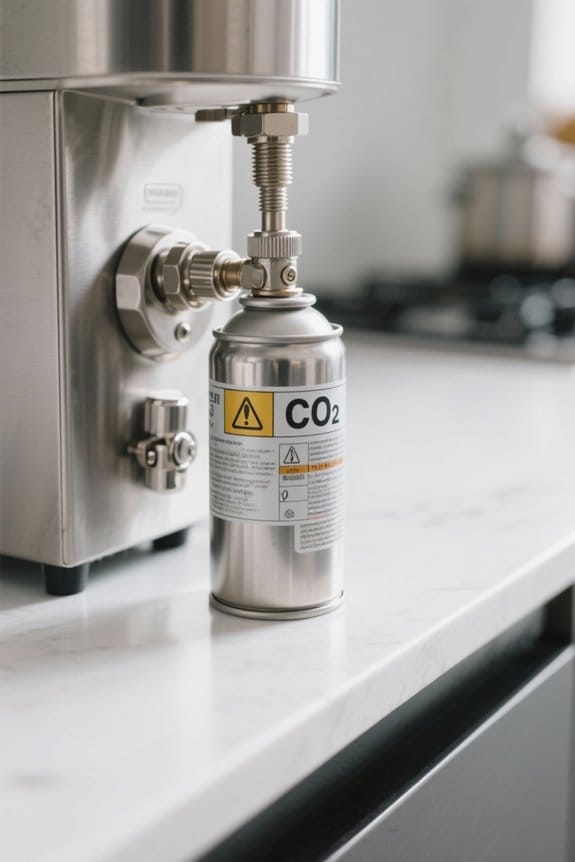
Managing CO₂ properly sets the stage for safety in carbonation. First, we should remember carbon dioxide gas is colorless and odorless, making leaks hard to detect. That’s why it’s vital to use proper training and protective gear. Carbonated beverages can reach pressures of 30-50 PSI at room temperature, and if shaken, that can jump to 90 PSI. We must always use bottles designed for carbonation to guarantee bottle stability and reduce the risk of fractures. Regularly inspecting bottles for defects is critical, along with confirming they’re rated for the maximum expected pressure. Additionally, monitoring environmental conditions, like avoiding direct sunlight and heat, helps maintain bottle stability and reduces the chance of pressure-related failures. Let’s prioritize these safety considerations every time! Furthermore, understanding CO2 cylinder lifespan is essential for preventing unexpected issues and ensuring a safe carbonation process.
Pressure Dynamics and Its Effects

Understanding pressure dynamics is vital for getting that satisfying fizz in our beverages. It plays a significant role in carbonation levels. Increased pressure enhances the solubility of carbon dioxide (CO₂) in liquids, allowing for a crunchier, fizzier experience. Typically, carbonated beverages have internal pressures of 30-50 PSI at room temperature, with about 8 g/L CO₂. When we open a bottle, we release that pressure, causing dissolved CO₂ to escape and bubbles to form. Higher temperatures reduce CO₂’s solubility, which is why we recommend chilling our drinks. During bottling, it’s important to monitor these pressure dynamics, particularly with plastic and glass bottles rated for pressures between 100 and 200 PSI, to avoid over-carbonation and guarantee consumer safety. Additionally, ice production speed can influence the overall freshness and taste of carbonated drinks when served over ice.
Storage and Temperature Control
While we all want our carbonated beverages to be as fizzy and invigorating as possible, how we store CO₂ tanks plays a major role in achieving that. Proper storage means keeping tanks in a well-ventilated area. This prevents gas buildup, ensuring safety. Temperature is key as well. We should store CO₂ tanks below 37.5°C (100°F) to avoid excessive pressure buildup. High temperatures can create hazardous situations, so a stable environment is essential. Monitoring pressure and temperature frequently helps maintain the integrity of our carbon dioxide supply. When using at-home carbonation systems, cooling liquids enhances CO2 dissolution. Chilling beverages before carbonating can lead to a crunchier, fizzier result, making our drinks even more enjoyable. To enhance the experience, consider investing in models like the SodaStream Terra that promote eco-friendliness with reusable bottles.
Measuring Carbonation Levels
Measuring carbonation levels is vital for achieving that perfect fizzy drink. Carbonation is typically expressed in volumes, with one volume being one liter of CO2 per liter of beverage. Most soft drinks contain around three to four volumes, or six to eight grams per liter, of carbon dioxide. To guarantee accuracy, we can use pressure measurement techniques at a controlled temperature. Devices like the Zahm CO2 tester provide reliable data, and gas chromatography is another option. Regular monitoring of CO2 levels helps us avoid over-carbonation or under-carbonation, which can damage flavor. Remember, calibration of instruments is vital, as factors like temperature, pressure, and dissolved substances affect CO2 solubility. Using food-grade CO2 contributes to healthier drinks and enhances the overall carbonation experience. Let’s maintain that delightful crunch and fizz!
Recommended Products


CO2 measuring range:0-4.00%v/v (0.8%w/w)

Universal Compatibility – Standard 3/8-24 threaded 16g CO2 cartridges fit most beer keg chargers, mini keg tap dispensers, growler tap systems and other beverage draft devices. Ideal for homebrewers, kegerators, and portable kegging setups.
Best Practices for Carbonation Quality
To guarantee our beverages have that perfect fizzy crunch, we should pay close attention to carbonation quality. First, we need to verify low dissolved oxygen levels, ideally below 0.5 ppm, as this preserves flavor and enhances gas solubility in our carbonated beverages. Keeping our liquids cold is vital because cold temperatures boost CO2 absorption and help maintain higher levels of dissolved gas. Regularly testing the CO2 quality and purity from suppliers reinforces our beverage standards, so using high-quality beverage-grade CO2 is necessary. Furthermore, we must maintain our equipment diligently. Monitoring connections and inspecting CO2 systems will prevent contamination and verify consistent carbonation levels. Finally, proper storage of CO2 tanks keeps our operations safe and efficient. Additionally, ensuring that the equipment used maintains high RPM settings can significantly enhance integration and consistency of carbonation.
Recommended Products

Efficient Cooling Coils: The 50' stainless steel coils in this jockey box provide optimal cooling for your beverages, ensuring they stay chilled from the first pour to the last. Each coil in the cooler for camping is designed to continuously cool 17 oz of liquid, keeping your drinks refreshingly cold throughout the event.

TESTED AND CERTIFIED: DOT Approved certified or hydro-tested within 12 months of shipment

PRO SERIES DUAL GAUGE REGULATOR: Easily measure PSI and Co2 volume and adjust Co2 output pressure using this Kegco 542-2 Commercial Double Gauge Co2 Regulator with air splitter! The top gauge indicates output pressure, while the side gauge tells you what's left in the Co2 tank, so you don't run out of gas during a party. The chrome plated brass body has a large pressure adjustment knob for easy use and includes a manual pressure release valve.
Common Equipment for Home Carbonation
Home carbonation systems have become popular for those wanting fizzy drinks at home. Notable options include the SodaStream and Breville InFizz. These devices infuse carbon dioxide into liquids, making sparkling waters and other beverages. They operate at 30-50 PSI, a safe range for plastic or glass bottles. Some all-in-one kits have pre-set CO2 release settings, while advanced models let us adjust carbonation levels for our desired fizz. It’s essential to handle CO2 tanks with care to avoid leaks or safety issues, and regular refills are necessary. We should keep liquids cold during carbonation to improve gas dissolution. This approach enhances our drinking experience by producing a crunchy, fizzy sensation in every sip. Additionally, understanding safety features of electric models is vital for effective operation and preventing accidents during use.
Recommended Products

CRISP SPARKLE - Enjoy sparkling RO water your way with this soda maker machine, with easy control to customize the carbonation level to your taste.

Flawless Compatibility: This kegerator holds 3 sixth kegs, seamlessly fitting into typical American home bars and small commercial pubs. Equipped with a CO₂ tank, it meets diverse installation needs and adapts well to various layout scenario

INCLUDES COMPLETE KEG TAPPING KIT: This high-quality keg beer cooler comes complete with everything you'll need to dispense fresh draft beer straight from the keg - you just add the keg! The single faucet keg beer dispense system includes a brand new 5 lb. aluminum CO2 tank, a single gauge CO2 regulator, a D system lever handle keg coupler that can tap all domestic kegs, and a 3" diameter chrome plated metal draft tower. The CO2 tank ships empty and will need to be filled locally.
Troubleshooting Carbonation Issues
Even with the right equipment, issues can arise during home carbonation. We often see inconsistent bubbles or even flat beverages. This is usually due to improper pressure levels or temperature settings affecting CO₂ solubility. Checking our CO₂ tank regularly is vital; if it’s near empty or has pressure inconsistencies, carbonation might fluctuate. We should also inspect for leaks in the CO₂ system, as these can drastically reduce carbonation efficiency. Purging excess air before filling our beverages is essential too. This step minimizes oxygen exposure, which can interfere with carbonation quality. Finally, ensuring our liquid is cold, ideally near freezing, helps the carbonated beverage absorb CO₂ more effectively, enhancing our fizzy experience. Additionally, using a device that employs high torque capabilities can contribute to maintaining better carbonation pressure when opening beverages.
Recommended Products

Empty heavy duty aluminum carbon dioxide tank is designed to hold Co2

Cylinders are made from exclusive aluminum alloy specially optimized by metallurgists to improve its durability, fracture toughness and resistance to tearing and cracking
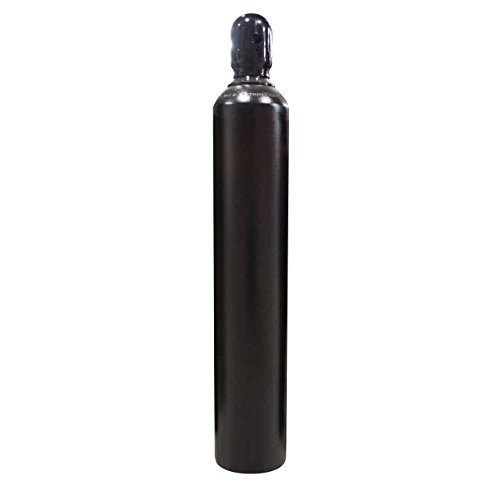
All HP cylinders come with a 10 year hydrotest date stamped.
Taste Consistency Through Proper CO2 Management
How can we assure our carbonated beverages consistently deliver that perfect, fizzy taste? Proper CO2 management is key. First, we should verify we’re using beverage-grade CO2 to maintain infusions at appropriate pressure and temperature levels—typically around 30-40 PSI for ideal carbonation. Colder liquids help maximize CO2 solubility, allowing more gas to dissolve, which enhances taste consistency. Regular testing for impurities is essential; even small amounts can ruin flavor. We must also minimize dissolved oxygen during carbonation to preserve freshness. Finally, implementing best practices for CO2 handling, like safe storage and regular system checks, can greatly improve the reliability of our carbonation. This attention to detail keeps our beverages invigorating and delicious, every single time. Additionally, understanding the importance of daily production capacity in the context of beverage preparation can help in managing the carbonation process effectively.
The Role of Carbonation in Beverage Enjoyment
Carbonation plays an essential role in our enjoyment of beverages. The fizzy bubbles create a pleasant tingling sensation on our tongues. This sensory experience is a key reason many of us love sparkling water and other carbonated drinks. When CO2 dissolves, it forms carbonic acid, adding a revitalizing mild acidity that balances sweetness. Most carbonated beverages contain around 3-4 volumes of CO2, while champagne can exceed 6. Cooler temperatures enhance carbonation, allowing liquids to absorb more CO2 and increasing fizziness. This effervescence not only alters the mouthfeel but also lifts aromatic compounds, enhancing aroma perception. Ultimately, carbonation enriches our drinking experience, making beverages more enjoyable overall. Understanding this can help us select better options for our tastes.
Frequently Asked Questions
Can Carbonation Levels Affect the Shelf Life of Beverages?
Absolutely, carbonation levels can impact shelf life. Studies show higher carbonation stability reduces microbial growth, enhancing beverage freshness. Other shelf life factors, like packaging and storage, also play vital roles in maintaining quality.
What Types of Beverages Benefit Most From Carbonation?
Sparkling water, carbonated cocktails, fizzy juices, and tonic varieties definitely benefit from carbonation. We all know that those invigorating bubbles enhance flavors, making our drinks more enjoyable, crisp, and lively, which we love during gatherings!
Is There a Safe Way to Carbonate Beverages at Home?
Absolutely, we can safely carbonate at home! Using DIY carbonation methods, we should prioritize carbonation safety tips, like monitoring pressure with a gauge, and investing in reliable home carbonation equipment to guarantee deliciously bubbly results.
How Does Altitude Impact Carbonation in Drinks?
Altitude affects carbonation due to pressure changes, altering how gases dissolve and release. We should adjust our carbonation techniques accordingly to maintain flavor balance, ensuring our drinks retain that perfect fizz even at higher elevations.
What Are the Environmental Impacts of CO2 Used in Carbonation?
We’re realizing the need for carbon footprint reduction in carbonation. By adopting carbon capture technology, improving CO2 sourcing practices, and implementing effective carbonation waste management, we can minimize environmental impacts together and promote sustainability for future generations.


