As an Amazon Associate, we earn from qualifying purchases. Some links on this site are affiliate links at no extra cost to you. Our recommendations are based on thorough research and editorial judgment.


Troubleshooting Slow First Batches in New Ice Makers

If we’re troubleshooting slow first batches in new ice makers, we need to check a few key things. First, make sure the freezer temperature is set between 0°F and 5°F. Next, inspect the water supply line for kinks or blockages. A blocked fill tube can also restrict water flow. Adjust the fill time via the screw in the back if necessary. If issues persist after 48 hours, we might need to consult the manual for further solutions.
Key Takeaways
- Ensure the freezer temperature is at or below 0°F for optimal ice production.
- Inspect the water supply line and fill tube for kinks or blockages affecting water flow.
- Verify the water valve is fully open and the water pressure is adequate.
- Adjust the fill time settings on the ice maker for sufficient water supply.
- Allow 24 hours for initial ice production, checking performance after this period.
Understanding Ice Maker Basics
Ice makers are vital appliances in many kitchens, providing that crunchy addition to our drinks. New models usually take 24 hours to produce their first ice batch. Ice production rates generally average 8 cubes every 2-3 hours. Undercounter designs can make batches every 30 minutes under ideal conditions. For peak performance, we should set the freezer temperature between 0°F to 5°F, guaranteeing faster ice production. A properly functioning water supply line is also essential; we must keep it free of kinks and verify filters aren’t clogged. Remember, initial slow production is normal as ice makers acclimate after installation. Additionally, clear ice enhances drink quality by minimizing dilution, making it an important factor to consider when troubleshooting production issues. Monitoring for any service alerts can help us catch potential problems early, securing a steady supply of that delicious, fizzy crunch we love.
Common Causes of Slow Ice Production

When our ice maker isn’t producing enough ice, several common factors might be at play. First, the water flow into the ice maker may be restricted. This could be due to a blocked water inlet valve or low water pressure. We should also check the freezer temperature; it needs to be at or below 0°F for ideal ice production. If it’s set above 5°F, our ice maker’s performance can suffer. Additionally, improper leveling of the ice maker can hinder water flow to the ice mold, affecting output. Finally, we might need to adjust the fill time via the adjustment screw to guarantee sufficient water enters the mold for those crunchy, fizzy ice cubes we all enjoy. Ensuring an optimal freezer temperature is crucial for maintaining efficient ice production and preventing slow batch times.
Recommended Products

ORDALI for GE Refrigerator Water Inlet Valve WR57X10022 Upgrade Parts

ORIGINAL CONNECTORS, New part number CKD163596X Perfect fit old and new serials, your old part number is no longer available, compare your old number and order now. Fit Models , GI15NDXXB0 GI15NDXXB1 GI15NDXXQ0 GI15NDXXQ1 JIM158XXCX0 JIM158XXCX1 GI15NDXXS0 JIM158XXRS0 GI15NDXXS1 JIM158XXRS1." MIM1554WRS1 MIM1554WRS2 MIM1554XRS0 MIM1554XRS1 KUIO18NNXS0 KUIC18NNXS1 GI15NFLTB3 GI15NFLTB4 KUIS18PNTB3 KUIS18PNTB4.
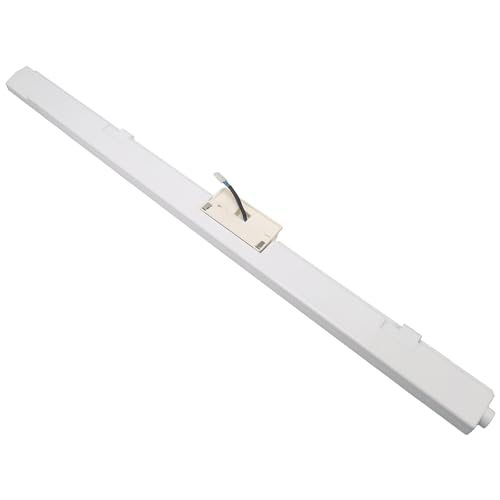
Direct replacement for refrigerator flipper mullion assembly 242036303 and 4456096.
Temperature Settings and Their Importance

To achieve ideal ice production, it is vital to maintain the right freezer temperature. The best temperature range is between 0°F and 5°F. If the freezer temperature is set above 10°F, our ice maker’s efficiency plummets. It may take longer to freeze the first batches, or they may not freeze at all. Monitoring and adjusting the thermostat can help keep those temperatures consistent, which is key for optimal ice production. Additionally, we should check for frost buildup in the freezer. Frost can insulate, blocking cold air and slowing down freezing. Regular maintenance, including cleaning condenser coils, guarantees we retain colder temperatures, helping the ice maker produce crunchy, clear ice efficiently from the start. Moreover, efficient cleaning processes help prevent any debris that could impact freezing speed, ensuring regular cleaning is part of your maintenance routine.
Inspecting the Water Supply and Connections

Proper water supply is crucial for our ice maker’s performance, as any obstruction can lead to inadequate ice production. First, let’s check the water supply line. Make sure it’s free of kinks and blockages. Even minor issues can restrict flow. Next, inspect the fill tube. It should be clear for water to flow freely into the ice mold. If you notice any clogged water filters, replace them. Filters should be changed every six months. Confirm the water valve is fully open, as low water pressure below 20 psi can hinder production. Finally, check all connections in the water supply line to prevent leaks or interruptions, guaranteeing sufficient water reaches the ice maker. These steps are critical for peak performance, especially since nugget ice makers operate efficiently with optimal water flow.
Recommended Products

[Trusted certification] Tested and certified by IAPMO R&T against NSF/ANSI 42 & 58 & 372 standard, and tested by SGS to reduce harmful substances
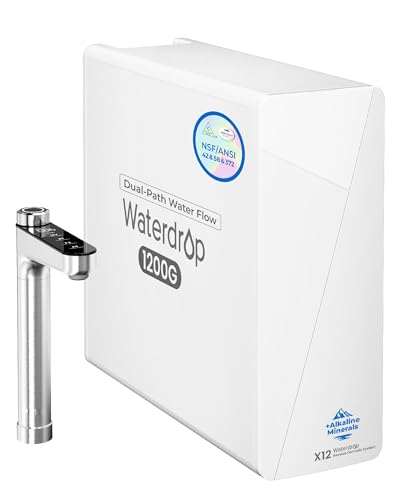
[Ultimate purity] The Waterdrop X12-PRO RO system surprisingly surpasses traditional tank and tankless systems with its advanced dual water flow design, covering all your kitchen water needs. It not only provides healthy alkaline drinking water but also ensures cleaner food and dishes. Enjoy ultimate water purity at home with Waterdrop

COMMERCIAL RO SYSTEM WITH RELIABLE FEATURES - The iSpring CRO1000 is a true commercial-grade reverse osmosis system with a high output of 1,000 GPD. Its tankless design provides on-demand clean, filtered water with a flow rate of 0.7 GPM. Built-in inlet and outlet gauges allow for easy pressure monitoring. The optional PMP1000 booster pump is recommended for water pressure below 80 psi (working range: 80-130 psi).
Maintaining Cleanliness for Optimal Performance

Keeping our ice maker clean plays a big role in its performance. Regularly clean the ice maker inside, focusing on the mold and ejector arm. This prevents buildup that can slow down ice formation. We should also sanitize the water supply line and inlet valve screen to eliminate any clogs. If we check and replace the water filter as needed, we can avoid restrictions impacting ice production efficiency. Routine maintenance every 3-6 months keeps condenser coils free of dust, enhancing cooling. Finally, we must monitor for any ice blockages or debris. Addressing these issues guarantees smooth operational flow during ice production cycles. Maintaining cleanliness is essential for the best ice quality, ensuring that it remains crunchy and fizzy in our drinks. In addition, being aware of energy efficiency ratings can help us choose models that operate more effectively while keeping operating costs low.
Troubleshooting Mechanical Issues
When we notice our ice maker isn’t producing ice as quickly as expected, it’s important to investigate potential mechanical issues. First, let’s check the water inlet valve; a partial clog can restrict proper flow, resulting in slow ice production. We should also inspect the fill tube for any blockages, as obstructions hinder water reaching the ice mold efficiently. Next, let’s examine the thermostat; if it’s malfunctioning, the ice mold might not chill adequately, delaying freezing. Regular maintenance checks are vital, so we shouldn’t overlook the ice mold and ejector arm—debris can impact performance greatly. Additionally, ensuring that your ice maker has efficient designs can help reduce water waste during ice production. By addressing these mechanical issues, we can improve the efficiency of our ice maker, ensuring it produces those crunchy ice cubes we enjoy.
Recommended Products

New design compatible with 12-2990-01 and ten more replacements for all new models

This LG AJU34125555 is a genuine OEM (Original Equipment Manufacturer) part manufactured to exact specifications

Effective Ways to Adjust Ice Maker Settings
To enhance our ice maker’s performance, adjusting its settings can make a significant difference. First, let’s verify our freezer temperature is between 0°F and 5°F. This range promotes efficient ice making. Next, we can adjust the fill time on the ice maker by turning the screw on its head in the + direction. Each five turns increases the fill time by approximately 5 seconds. It’s important to check the water supply too; inspecting the water inlet valve for debris is essential for consistent performance. Regularly clean the ice maker’s mold and ejector arm, preventing obstacles that affect our first batch’s ice output. Finally, let’s let the ice maker complete several cycles for the best results. Additionally, ensuring the ice maker has high ice production capabilities will greatly enhance its efficiency and output.
Monitoring and Documenting Ice Production
After adjusting the ice maker settings, monitoring and documenting ice production becomes essential. We should track the ice production rate, aiming for about eight ice cubes every two to three hours. Next, it’s important to document the time the first batches take to freeze and drop, which may be longer initially. Consistently note the temperature inside the freezer; keeping it at or below 5°F is necessary, with 0°F being ideal for best ice cubes. Additionally, we need to keep an eye on the water supply’s status. Watch for changes in pressure or blockages that could affect production. Finally, record any error messages on the ice maker’s display, as these could point to underlying issues needing attention. Cooking equipment, like Instant Pot models, may also experience initially slow performance, requiring similar monitoring to optimize efficiency.
When to Consider Professional Assistance
Sometimes, ice makers can present challenges that we can’t resolve on our own. If your new ice maker isn’t making ice fast enough, we should consult the user manual for specific troubleshooting steps. Adjusting the water supply and checking temperature settings are good first moves. However, if those don’t solve the issue, it might indicate a defect or malfunction. When ice makers don’t start functioning within 48 hours, seeking professional assistance becomes essential. A technician can effectively diagnose potential problems with the water inlet valve or icemaker assembly. Additionally, we should keep a record of error codes or unusual behaviors. This information helps the technician provide targeted service and minimizes the risk of further damage. Furthermore, understanding ice production capacity can help identify if your unit is not meeting expected performance levels.
Recommended Products


Designed for reliable and long-lasting performance, this high-quality refrigerator water inlet valve ensures consistent water flow to your ice maker and water dispenser. A must-have replacement part to keep your refrigerator ice and water system running smoothly and without interruption.
Preventative Measures for Future Ice Maker Efficiency
When we want our ice maker to operate efficiently, keeping a few key factors in mind can make a significant difference. First, verify the freezer temperature stays between 0°F and 5°F. Anything warmer can hinder ice production. Next, regularly inspect the water supply line and inlet valve for clogs or kinks that restrict water flow. We should replace water filters every six months to maintain water pressure and avoid dirty filters affecting ice quality. Additionally, keep condenser coils clean to enhance cooling performance. Finally, consider using the Max Ice feature if available. It can boost ice production by 30%-40% for 24 hours, especially when demand is high. Top models achieve energy-saving performance, taking these steps helps verify our ice maker remains efficient.
Frequently Asked Questions
Why Is My New Ice Maker so Slow?
Our new ice maker’s slow performance may stem from ice production efficiency issues. Let’s check for common ice issues, like water supply problems, and follow troubleshooting tips to enhance its output.
How Long Does It Take an Ice Maker to Make Its First Batch of Ice?
An ice maker usually takes between 6 to 24 hours to produce its first batch of ice. Factors like water supply and cooling cycle can impact the ice production speed, so we’ve gotta be patient!
How Long Does It Take for a New Ice Maker to Start Working?
It typically takes 24 to 48 hours for a new ice maker to start working. During this initial setup, ice production depends on optimizing temperature settings, allowing the freezer to reach the proper environment for ice formation.
Why Does My Ice Maker Make One Batch Then Stops?
When it rains, it pours—our ice maker might stop after one batch due to common issues like clogged filters or improper installation. Let’s explore some ice maker troubleshooting and address essential appliance maintenance together.


