As an Amazon Associate, we earn from qualifying purchases. Some links on this site are affiliate links at no extra cost to you. Our recommendations are based on thorough research and editorial judgment.


Safe Placement and Ventilation for Compact Ice Machines

To guarantee our compact ice machines work well, we need at least 1 foot of space on all sides and above them. Proper ventilation helps prevent overheating and increases ice production. Avoid placing them near heat sources, like ovens or grills. Regularly clean condenser coils for better airflow and efficiency. With the right set-up, we can boost performance and extend the machine’s lifespan. Let’s look at more details about the installation process and maintenance tips.
Key Takeaways
- Ensure at least 1 foot of clearance on all sides and above the compact ice machine for proper ventilation and airflow.
- Avoid placing the ice machine near heat-emitting appliances to prevent overheating and ensure efficient operation.
- Regularly inspect and clean condenser coils to maintain maximum airflow and enhance ice production efficiency.
- Blocked vents can lead to hot air recirculation, so always keep ventilation areas clear for optimal function.
- Professional installation guarantees compliance with ventilation requirements, reducing the risk of overheating and operational issues.
Importance of Ice Machine Ventilation
When we talk about ice machines, ventilation plays an essential role in their performance. Proper ventilation is significant to prevent overheating, which can harm ice production. Ice machine installation requirements dictate that we maintain at least 1 foot of space on all sides and above the unit. This guarantees adequate air circulation, allowing hot refrigerant gas to dissipate efficiently. Insufficient ventilation might lead to higher operational temperatures, reducing ice production rates and increasing our electricity costs. Additionally, larger ice machines may need more clearance to operate efficiently. By promoting proper ventilation, we not only maximize ice output but also extend the machine’s lifespan, reducing the need for repairs caused by excessive heat. Energy-efficient models also benefit from adequate airflow, ensuring they maintain lower operational costs while producing ice efficiently.
Space Requirements for Proper Ventilation
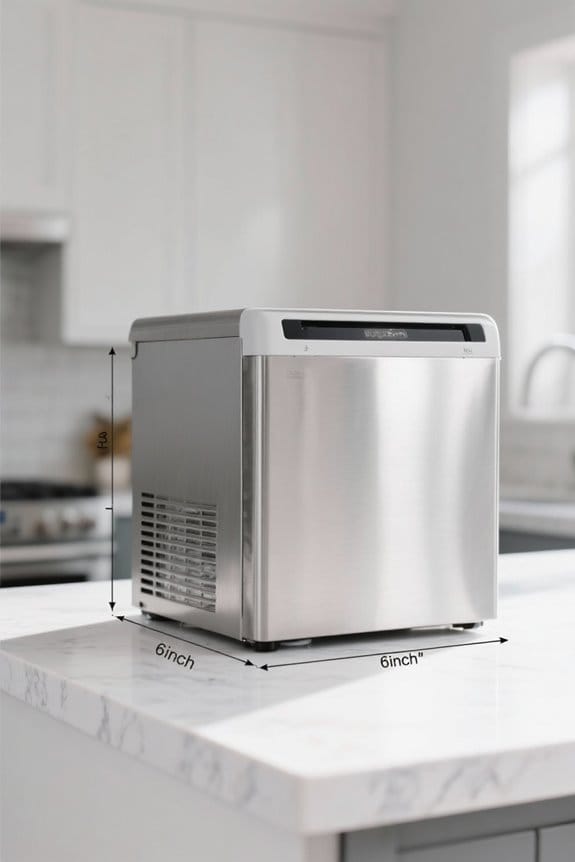
To guarantee our ice machines run effectively, we must pay close attention to space requirements for proper ventilation. It’s essential to allow at least 1 foot of space on all sides of the machine. This guarantees ideal airflow, preventing overheating and maintaining ice production rates. We should also remember to keep a minimum of 1 foot of clearance between the top of the ice machine and the ceiling. If we block any vents, hot air can recirculate into the machine, reducing efficiency. Larger models may need additional clearance for effective ventilation and operation. Proper planning not only enhances ventilation but also makes routine cleaning easier, allowing technicians to access the machine’s top and sides without hassle. Additionally, utilizing appliances with removable nonstick plates can further simplify maintenance tasks around the machine.
Recommended Products

Exclusive Pure Ice technology ensures fresh odor-free ice every time

Air cooled unit with automatic ice making mode to ensure bin is always full, 120V, 114 lbs

Commercial Grade Use - Euhomy commercial ice maker offers over 400 pounds/24h ice production, providing efficient ice for your business operations. With the first-calss SECOP compressor, the commercial ice machine produce ice in just 10-15 minutes, and the thickness of ice cubes can also be adjusted according to different purposes. Whether it's a hotel, restaurant, bar, or coffee shop, it can meet your demand for large-scale ice production
Benefits of Ample Space for Service

Ample space around our ice machines offers essential benefits for service and maintenance. Having at least 1 foot of clearance on all sides allows technicians easy access to critical components like the top and sides. This access is essential for effective cleaning and routine maintenance, which greatly enhances ice production quality. Without sufficient space, we risk subpar maintenance service, impacting reliability and performance. Good air circulation is important for preventing overheating, which can degrade our ice machines. By ensuring ample space, we facilitate regular maintenance visits, maximizing the efficiency and lifespan of the equipment. Ultimately, preserving ideal performance means we can rely on consistent ice quality and operational effectiveness, giving us peace of mind in our busy environments. Proper maintenance, including self-cleaning options, can also improve the overall functionality and longevity of the unit.
Installation Considerations for Ventilation

Proper installation of our ice machines is essential for prime performance and longevity. During the installation process, we need to guarantee at least 1 foot of clearance on all sides and above the unit. This space meets ventilation requirements and prevents overheating. Blocking ventilation vents can lead to hot air recirculating into the machine, which compromises efficiency. For larger air-cooled machines, more than the standard 1 foot may be necessary to accommodate airflow and maintain production rates. Adequate ventilation not only keeps our machines running smoothly but also decreases electrical usage and lowers utility costs. Following a detailed checklist for installation helps meet these ice machine needs, guaranteeing reliable ice production and peak performance for our operations.
Recommended Products

Efficient Ice-making Capacity: RAPSUAR commercial ice maker is equipped with a powerful and cost-effective compressor and uses advanced refrigeration technology to achieve excellent performance of producing 500 pounds of ice cubes every 24 hours, and the ice machine only takes 5 to 10 minutes to complete ice making. The thickness of the ice cubes can be flexibly adjusted according to actual needs, which is perfectly suitable for hotels, restaurants, bars, gyms, offices and coffee shops, etc., to meet your various needs for large-scale ice making.
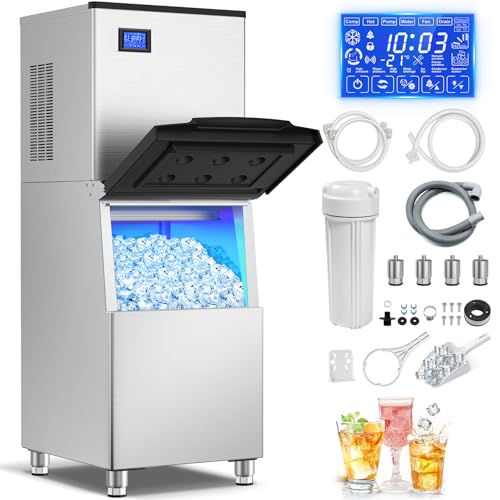
【Durable Commercial Ice Machine】The commercial Ice maker is brushed stainless steel. The multi-angle top air outlet can ensure long-term continuous use, and the surface of the icemaker is covered with a gray protective film (it is easier to remove with the hot air of a hair dryer) maquina de hielo comercial

High - Output Ice Production : Equipped with a super - powerful compressor, Leacco commercial ice maker can produce 600 lbs of ice per 24 hours. In just 5 minutes, it can produce 182 ice cubes, with Timing Function. 30 Levels of Ice Thickness Adjustment, This high - output capability ensures you always have a steady supply of ice for your business needs.
Pre-Installation Planning

Planning the installation of our ice machines is just as important as ensuring proper ventilation. We need to start with pre-installation planning. First, let’s make sure there’s access to a grounded electrical outlet and a potable water line. We must measure the height, width, and depth of our installation area, allowing at least one foot of clearance on all sides for ventilation. Avoid enclosing the ice machine in cabinets to prevent overheating. Next, determine which drainage system suits our model, whether it requires a gravity drain or a drain pump. Finally, we should prepare for any necessary accessories, like kickplates or hinge covers, to enhance maintenance and provide a polished look. This attention to detail will lead to efficient operation, allowing the ice machine to produce daily ice production without any obstructions.
Recommended Products

SMART COOLING & HEATING: This 24,000 BTU mini split AC and heating system provides precise temperature control for cooling and heating needs, ideal for home, office, or bedroom use. Enjoy year-round comfort with WiFi connectivity for remote control

POWERFUL ALL-IN-ONE CLIMATE CONTROL - This portable ac unit delivers 16,000 BTU ASHRAE cooling with 4 modes: cool, heat, fan, and dehumidifier. A versatile fan and heater combo designed for year-round comfort.

High-Efficiency Ice Making: This commercial ice maker machine produces up to 120 lbs of clear ice per day, delivering 45 cubes every 10–15 minutes. With a 33 lbs built-in storage bin, this ice maker commercial ensures a reliable ice supply during peak hours, making it ideal for busy bars, cafés, restaurants, and home use.
Installation Steps
To kick off the installation process for our ice machines, we need to follow several critical steps. First, we’ll begin by securely attaching the water supply line to the inlet valve. This connection must be leak-proof to guarantee proper ice production. Next, we can plug the ice machine into a dedicated grounded outlet; adapters or extension cords should be avoided for safety. After that, we’ll connect the drain line correctly, making certain it’s sloped to prevent backflow or blockages. Don’t forget to install any included accessories, like kickplates or hinge covers, for added protection and maintenance access. Finally, let’s verify all connections are aligned and secure, allowing for reliable operation of our ice machine. Additionally, ensuring proper ventilation clearance around your ice machine can help maintain optimal performance.
Final Adjustments and Finishing Touches
After completing the installation steps, we can turn our attention to the final adjustments and finishing touches. First, confirm the stainless steel finish of your ice machine matches your other appliances for a unified look. If you’re installing your ice machine in a panel-ready unit, attach a custom front to blend seamlessly. Regularly polish the stainless steel to maintain its shine. Don’t forget to clean the ice storage bin and various components, using recommended cleaners for hygiene and peak performance. Installing a filter can also enhance ice purity and improve energy efficiency by reducing mineral buildup. Additionally, ensure the environment is properly maintained to avoid issues such as noise levels which can affect the overall kitchen ambiance. Finally, review the user manual thoroughly for warranty details and maintenance guidelines to keep your machine running efficiently.
Common Ice Machine Issues Related to Ventilation
Proper ventilation is essential for maintaining ice machine performance. Insufficient ventilation can result in overheating the compressor, leading to decreased efficiency and increased energy consumption. When proper airflow isn’t achieved, we can experience blocked condenser coils. This issue prevents the refrigerant from releasing heat and reduces ice production rates considerably. To avoid these problems, we need at least 1 foot of clearance on all sides and above the unit. Poor ventilation can cause frequent breakdowns and even compromise ice quality, resulting in unappetizing, fizzy ice instead of revitalizing, crunchy cubes. Regular maintenance becomes challenging in cramped conditions, further increasing the risk of machinery malfunctions. Always prioritize proper airflow and maintenance to keep our ice machines running smoothly. Ensuring 24-hour ice production capacity can significantly enhance our ability to enjoy refreshing drinks while on the move.
Recommended Products
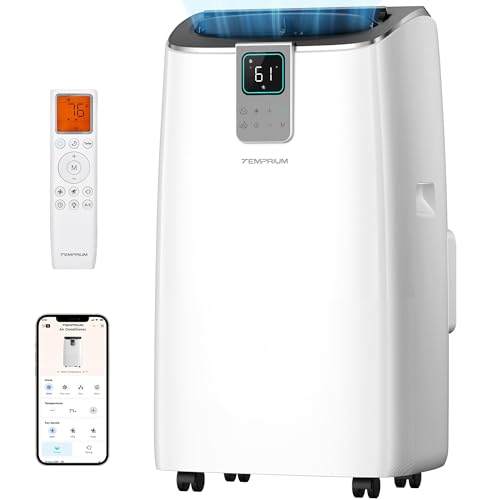
[COOL THE HEAT, NOT YOUR BILLS] This 12000 BTU air conditioner packs a dual motor compressor with 350 CFM airflow, making it a powerful ac unit for large room cooling up to 600 sq. ft. Cuts electricity to just 2 kWh/day with a 7.2 CEER rating — an energy efficient portable ac that keeps you comfortable without the summer bill shock.

Fast & Efficient Spot Cooling: This 14000 BTU portable air conditioner quickly targets and dispels indoor heat, delivering fast and effective cooling for areas up to 750 sq. ft, such as bedrooms, offices, or living rooms. It uses eco-friendly refrigerant to maintain a cool, comfortable space while keeping energy consumption low.

Efficient Temperature Control: Heat spikes affect tank climates. This 1/10 HP compressor lowers water by 10F, keeping 68-78F. It fits 42-gallon tanks, but 33 gallons is advised in summer for optimal cooling, varying by ambient temp and target settings.
Maintaining Ice Machine Ventilation
Maintaining adequate ventilation for our ice machines is vital for ideal performance. We need at least 1 foot of space on all sides and above the unit to guarantee proper airflow. This prevents hot air from recirculating, which can reduce efficiency and increase electricity costs. For larger models, more clearance may be necessary to optimize function. Let’s remember that maintaining adequate airflow doesn’t just impact ice production; it also affects our machine’s longevity. Regular maintenance and cleaning are also important. With enough space around our ice machine, technicians can easily access it for repairs, enhancing performance and reliability. Additionally, following the installation checklist that includes ventilation requirements ensures that we keep our ice machines running smoothly.
Tips for Improving Airflow Around Ice Machines
Airflow is crucial for the efficient operation of our ice machines. We should guarantee at least 1 foot of clearance on all sides and above the unit to promote proper air circulation. Avoid placing the ice machine near heat-emitting appliances like ovens or grills, which can hinder its cooling efficiency. Regularly inspecting and cleaning the condenser coils helps eliminate dust and debris for maximum airflow. Blocked vents lead to hot air recirculating back into the machine, so maintaining unobstructed openings is critical. If air movement is still limited, consider using a fan or ventilation system. Remember, the better the airflow, the more efficiently our ice machines will perform, providing us with the ice we need when we need it. Additionally, ensuring proper maintenance of equipment can significantly enhance performance and longevity.
Recommended Products

Commercial Ice Machine with Impressive Speed: The undercounter ice maker provides unsurpassed performance, high-capacity ice production of up to 450 lb per day, and a storage capacity of 135 lb of ice. You can choose different ice thicknesses for your needs. It produces crystal clear, restaurant-quality cube ice that melts slowly, looks great, and tastes even better.

[Commercial Refrigerator] The TYLZA glass door display refrigerator features a stylish pure white design with white LED lighting, which is perfect for placement in storefronts, living rooms or office lounge areas to ensure that iced beverages are always available

High Airflow Capacity: Delivers 5300 CFM to cool up to 1600 square feet efficiently. Ideal evaporative cooler for outside fan cooling large workspaces, garages, and outdoor areas.
Professional Help for Optimal Installation
When we think about the installation of our ice machines, calling in professionals is a smart choice. They guarantee compliance with ventilation requirements, like maintaining at least 1 foot of space around our commercial ice maker. This prevents overheating and supports ideal ice production. Professional installation is key for connecting water supply and drainage, adhering to FDA standards to enhance ice quality. Experienced technicians will also guarantee correct electrical setups, meeting regional voltage requirements. Additionally, they can advise on placement options, considering heat sources and ambient temperatures. Not to mention, utilizing professionals allows easier access for ongoing maintenance, keeping the machine running efficiently. Remember, investing in the right setup today saves us from costly repairs later. Furthermore, ensuring proper ventilation requirements helps maximize performance and efficiency of appliances, including ice machines.
Frequently Asked Questions
Do Ice Machines Need an Air Gap or Air Break?
Picture a bustling kitchen—without proper airflow, our ice machine’s performance suffers. So, while it doesn’t need an air gap, it requires air breaks to maintain efficiency. Following installation guidelines guarantees peak maintenance and ice production.
Do Ice Makers Need Ventilation?
Yes, ice makers absolutely need ventilation. Ensuring proper ice maker placement with adequate airflow requirements is essential for appliance safety, enhancing efficiency while preventing overheating. Let’s prioritize these factors for peak performance and longevity.
Where Is the Best Place to Put a Portable Ice Maker?
We should place our portable ice maker on a countertop with ample space, ensuring it’s near a power source for convenience. Let’s keep it away from heat sources for appliance safety and easy machine accessibility.
Where Is the Best Place to Put an Ice Machine?
We’ve found the best place for an ice machine involves balancing installation tips and space considerations. Let’s guarantee easy maintenance access, meet power requirements, and avoid tight corners for maximum efficiency and longevity.


