As an Amazon Associate, we earn from qualifying purchases. Some links on this site are affiliate links at no extra cost to you. Our recommendations are based on thorough research and editorial judgment.


RV and Camper Setups: Running an Ice Maker Off Limited Power

To run an ice maker in our RV with limited power, we should choose a portable model like the Igloo ICEB26BK. These units use about 120 watts and draw a maximum of 1.25 amps, which fits well within our 30 amp RV circuit. Generators are preferable for off-grid setups since they handle peak power demand better than inverters. Installing a dedicated AC outlet near the fridge maximizes efficiency and ice production. Let’s explore more tips to enhance our ice maker setup.
Key Takeaways
- Choose a portable or stand-alone ice maker to optimize space and efficiency in your RV.
- Use a generator for reliable power during peak demand, especially when off-grid.
- Ensure your generator matches the ice maker’s wattage requirements for seamless operation.
- Install a dedicated AC outlet close to the ice maker for convenience and to avoid power loss.
- Regularly maintain the ice maker to prevent mold and ensure consistent ice production.
Types of Ice Makers Suitable for RVs
When planning our RV trips, finding the right ice maker is essential for ensuring we have enough ice for our drinks and meals. Portable ice makers are compact, affordable options that fit easily into RV spaces. They produce ice quickly, often generating a batch in under an hour. For those needing more ice, stand-alone ice makers offer higher ice production rates, which are perfect for small groups. Popular brands like Dometic and Tramontina excel in efficiency. However, built-in ice makers aren’t suitable for RVs due to their larger size and power demands. We recommend focusing on portable or stand-alone models to meet our ice needs without sacrificing space and energy. Many of these machines are designed with energy efficiency features, making them ideal for limited power situations during our travels. Choose wisely for a revitalizing adventure!
Recommended Products

【Triple-Fuel Flexibility】Switch between gasoline (13500 peak watts, 11500 running watts), propane (12500 peak watts, 10500 running watts), and natural gas (10500 peak watts, 9500 running watts) via a dedicated fuel selector switch. Enjoy flexible, uninterrupted power for long-term home backup, RV adventures, and high-demand job site operations.

Lightning-Fast Ice in Just 10 Minutes! Never wait for ice again! Our commercial-grade ice maker produces crystal-clear ice cubes in just 10 minutes, with a massive 68LBS daily output and 3.8LB storage capacity. Perfect for home bars, restaurants, or parties—always ready when you need it!

Powerful and efficient commercial ice maker: Designed for high-demand commercial use, this commercial ice machine boasts a daily output of up to 550 pounds. It completes an ice-making cycle every 5-15 minutes, saving you significant costs and time on ice purchases. Providing ice for over 4600 beverages daily, it's ideal for restaurants, bars, cafes, and other venues with high ice consumption. Furthermore, this ice maker is ETL certified and approved for commercial use.
Power Consumption and Efficiency Considerations

Understanding power consumption and efficiency factors is crucial for RVers looking to maximize their ice maker’s functionality. An ice maker typically operates at around 120 watts, drawing a maximum of 1.25 amps. This low-energy consumption makes it ideal for RVs. With a 30 amp RV circuit providing about 3,600 watts, we have ample capacity for running our ice maker alongside other appliances. During dry camping, we’ll need to take into account our power source carefully. Inverters may not handle the ice maker’s short-term demand as well as a generator can. For instance, a BLUETTI AC70 can run an ice maker for roughly 3.3 hours at full power, making it important to guarantee our energy efficiency is prioritized for a smooth camping experience. Choosing appliances with energy efficiency ratings can further enhance our ability to utilize power effectively within the limited resources of an RV.
User Experiences and Community Feedback

How do RVers feel about using portable ice makers? Many RV enthusiasts find them efficient and practical for quickly producing crunchy ice for drinks. They recommend choosing the right power source, with generators often preferred over inverters for off-grid camping. Stand-alone portable ice makers, like the Igloo ICEB26BK, offer easy compatibility with various RV setups, making them a popular choice. Regular maintenance is essential; draining the water reservoir and ensuring ventilation can prevent mold buildup. However, while some users appreciate the convenience, others prefer buying bagged ice, especially for long-term camping trips. It’s important to weigh these experiences against your specific needs and camping style to determine what works best for you. Additionally, many models can produce 26 to 26.5 lbs of ice per day, ensuring you have a consistent supply for your adventures.
Powering Solutions: Inverters vs. Generators

Choosing the right power solution for your RV setup can greatly impact your experience, especially when it comes to appliances like portable ice makers. Ice makers typically require a power draw of 120 to 300 watts. Generators are often the better choice for these higher demands, offering dependable power capacity while supporting additional devices. However, it’s essential to select a generator that can handle both the ice maker’s running wattage and any other appliances in use. While inverters work well for low-wattage tasks, they might struggle with ice makers during peak demand. For many of us, using a generator is key to achieving consistent, crunchy ice, ensuring our RV adventures are enjoyable without power limitations. Additionally, understanding the importance of battery life in your portable appliances can help optimize power usage during your trips.
Recommended Products

Exclusive Pure Ice technology ensures fresh odor-free ice every time

LF-PV Series Pure Sine Wave Inverter is a combination of an inverter, AC charger and Auto-transfer switch into one complete system.It is packed with unique features and it is one of the most advanced inverter/chargers in the market today

Space Saving Design: Only 15” wide, this ice maker can be placed it the tightest locations. Front breathing - No side clearance required for flexible placement.
Wiring and Installation Tips for Optimal Setup

To guarantee your ice maker operates smoothly, we’ll want to focus on proper wiring and installation techniques. First, let’s add a separate AC outlet near the refrigerator. This outlet should have no more than 120 watts for maximum power requirements. We recommend running an additional AC socket behind the fridge for easy access. It costs about $15 and takes roughly four hours to complete. Make certain you have a switch for the ice maker; this minimizes trips to circuit breakers. Before making connections, verify the neutral and hot wires are isolated from the main AC panel for safety. Using proper installation methods guarantees that our ice maker runs efficiently, so we’ll enjoy that crunchy ice without hassle. Additionally, ensuring your ice maker has a high-capacity unit will provide ample ice production for parties and gatherings.
Recommended Products

Year-Round Comfort: FOGATTI rooftop AC delivers 16,000 BTU cooling and 12,500 BTU heating, ideal for RVs up to 36 ft. The ADB auto-sweep (0-85°) distributes air evenly across 600 sq. ft. With efficient rv heat pump technology, it ensures comfort in all seasons while saving energy
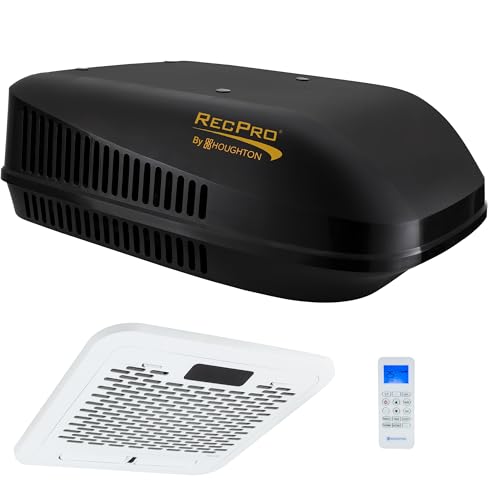
Energy-Efficient Low Amp Draw – Our RecPro RV air conditioner is engineered with a low amp draw, allowing you to power multiple RV appliances at once without overloading your system. Ideal for off-grid, solar, or generator setups—maximize comfort while minimizing energy usage.

All-Season Climate Control: The FOGATTI 16K BTU RV AC Unit provides strong 16,000 BTU cooling and 12,500 BTU heating for any weather. Featuring an ADB panel with dual-sync motor, it enables 0-85 automatic oscillation and efficiently cools/heats areas up to 600 sq. ft., suitable for RVs as long as 36 feet
Enhancing Your RV Ice Maker Experience
When considering enhancements for our RV ice maker experience, we must focus on efficiency and ease of use. Using a model like the Igloo ICEB26AQ lets us produce up to 26 pounds of ice daily, perfect for our RV adventures. Since ice makers pull around 120 watts, they fit well within our 30 amp circuit capacity. However, if we’re dry camping, utilizing a generator is vital for consistent operation. Regular maintenance, such as draining the water reservoir and drying the unit, guarantees our ice maker lasts longer and performs better. To simplify operations, we should install a dedicated outlet near the refrigerator, optimizing our power solutions for convenient, RV safe travel with plenty of crunchy ice on hand. Additionally, choosing an energy-efficient ice maker can help reduce energy consumption levels while still providing ample ice supply for our needs.
Recommended Products

Spacious 18.1 cu. ft. Total Capacity: Offers 13 cu. ft. of refrigerator space and 5.1 cu. ft. freezer capacity, providing ample room for fresh and frozen food storage while remaining suitable for apartment and residential kitchens.

[NSF 58 Certified] iSpring RO500-BN tankless reverse osmosis system is NSF 58 certified for TDS reduction.

【7000W Peak Surge for 2 Seconds】 Engineered to handle high-demand induction loads with ease. While traditional inverters offer surge protection for only milliseconds, our 2-second sustained 7000W peak power ensures a smooth, safe start for heavy-duty appliances like refrigerators, air conditioners, microwave ovens, and power tools without protective shutdowns.
Frequently Asked Questions
How Long Does It Take for an Ice Maker to Produce Ice?
Like a rejuvenating breeze, an ice maker typically takes about 6 to 15 minutes to produce ice. For camping ice solutions, we can explore energy-efficient and portable ice maker options with effective maintenance tips for ideal ice maker production time.
Can I Run an Ice Maker While Driving an RV?
We can’t recommend running an ice maker while RV driving, as it may affect driving safety. Selecting the right ice maker type and ensuring proper inverter size are essential for an on-the-road convenience and traveling ice supply.
What Types of Water Sources Can I Use for My Ice Maker?
When we connected our ice maker to a portable water tank, we realized how essential water quality considerations are. Using gravity fed systems and water filtration options, we explored various water source alternatives for ideal ice production!
Are Ice Makers Noisy When in Operation?
Ice maker noise can vary by brand and model. We’ve found that effective noise reduction techniques during installation can enhance ice maker efficiency. Checking ice maker reviews before purchase helps us choose quieter options.
How Do I Troubleshoot Common Ice Maker Issues?
Did you know nearly 10% of ice makers face water supply issues? To troubleshoot malfunctions, check for leaks, low ice production, and power supply problems. Regular maintenance tips can prevent future headaches and guarantee smooth operation.


