As an Amazon Associate, we earn from qualifying purchases. Some links on this site are affiliate links at no extra cost to you. Our recommendations are based on thorough research and editorial judgment.

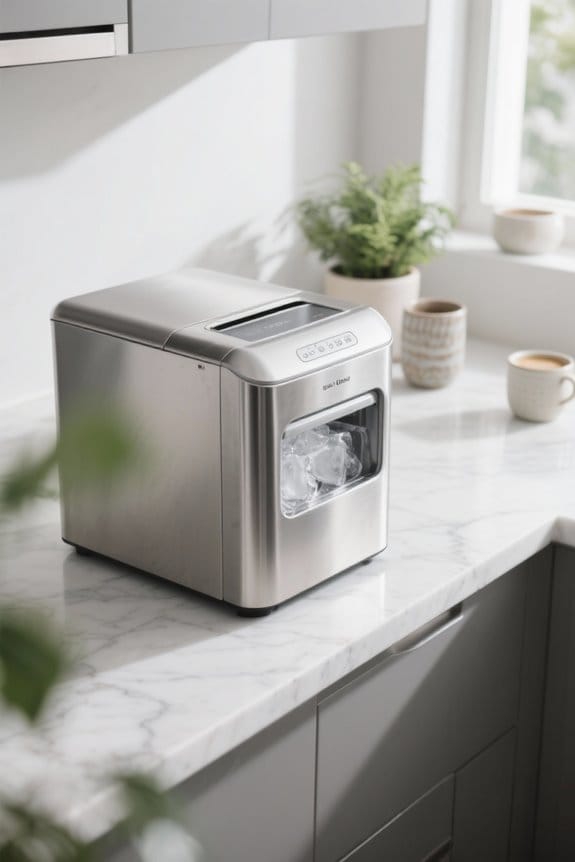
Noise Levels in Ice Makers: What’s Normal and What Isn’t

Noise levels in ice makers can vary. Normal sounds include gentle splashes during filling, clunking as ice drops, and clicking from the control arm. Buzzing suggests water supply issues, while whining signals motor problems. If you notice loud grinding or continuous clanking, it might indicate serious issues needing attention. Regular maintenance, like cleaning and inspecting the water inlet valve, keeps your ice maker running smoothly. Let’s explore more about troubleshooting these noises for effective solutions.
Key Takeaways
- Normal sounds from ice makers include gentle splashes, clunking ice drops, and clicking from the control arm.
- Buzzing or rattling noises signal potential water supply issues or loose components that need addressing.
- Whining or grinding sounds often indicate motor or fan problems requiring immediate attention.
- Popping or gurgling noises may represent acceptable temperature fluctuations or drainage activities in the system.
- Sounds exceeding 70 decibels or persistent grinding suggest serious issues needing professional inspection.
Understanding Normal Ice Maker Sounds
How do we ascertain if our ice maker is functioning normally? We listen to the ice maker noises it produces. A gentle splash during filling? That’s normal operation, showing everything’s working properly. If it’s a new ice maker, continuous water flow noises suggest it’s calibrating its water intake correctly. Clicking sounds from the control arm mean it’s requesting water, which is also standard. Clunking noises every few hours occur as ice drops into the bin, depending on how much ice has been made. However, if we hear loud filling noises, it might mean the water pressure is too high, exceeding the standard 60 psi. Keeping track of these sounds can help us guarantee our ice maker runs smoothly. Additionally, ice makers that produce clear ice cubes with advanced freezing techniques are typically designed to operate more quietly.
What Different Noises Could Mean
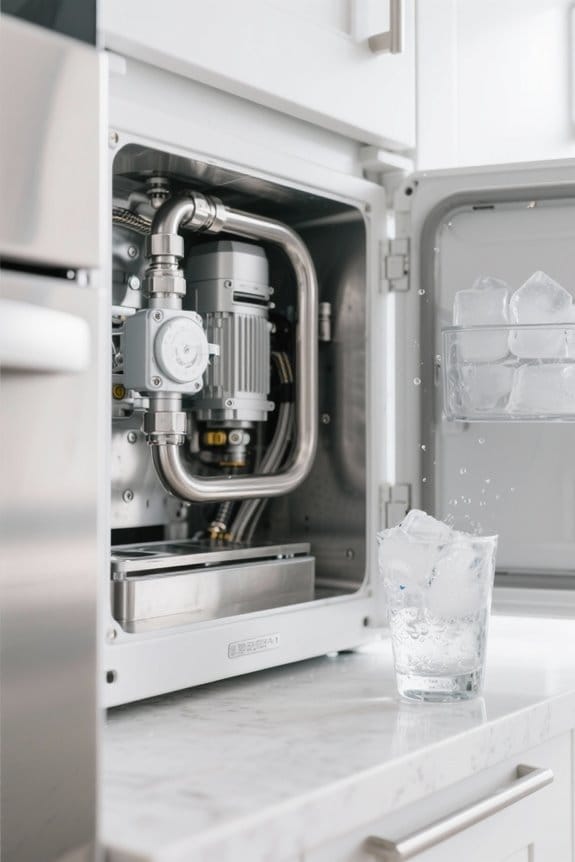
What do those strange sounds from our ice maker really mean? Buzzing noises usually indicate a water supply issue, which could stem from low flow rates or valve malfunctions. If we hear rattling, it might suggest loose components or an uneven refrigerator. Whining noises often signal motor or fan problems; we might want to pay attention there. Popping or cracking sounds occur due to temperature fluctuations, leading to expansion or contraction of ice maker parts. Finally, gurgling noises typically represent drainage activity or air bubbles in water lines, which can be acceptable but warrant inspection if they become excessive. Regular monitoring can help us determine when Ice Maker Repair is needed for consistently functioning—noisy ice isn’t ideal for anyone. Additionally, some ice makers may operate with energy-efficient standards, which could influence overall noise levels during performance.
Troubleshooting a Noisy Ice Maker

Persistent noise from our ice maker can be frustrating, especially when it disrupts our daily routine. If we hear buzzing sounds, our ice maker might have a water supply problem, often from a faulty inlet valve. Rattling noises can indicate the refrigerator isn’t level; adjusting the leveling screws can fix this. Grinding or screeching sounds might signal damage to the motor or fan, needing immediate inspection. Regularly cleaning the ice maker and checking for ice blockages is essential. These blockages can obstruct the fan, escalating noise issues. Moreover, quieter operation is a key feature of many self-cleaning ice makers, helping to mitigate disruptive sounds during use. If we can’t resolve the unusual sounds through troubleshooting, it may point to severe mechanical problems needing professional repair. Staying proactive can help maintain our ice maker’s efficiency and reduce unwanted noise.
Recommended Products

Commercial Ice Machine Nugget Style by Scotsman NH0422A-1: H2 Nugget Ice Produces H2 Nugget Ice, known for its chewable texture and ability to enhance beverage presentations.

Exclusive Pure Ice technology ensures fresh odor-free ice every time

Commercial Scotsman Gourmet Ice Maker Machine creates crystal clear octagonal shaped top-hat ice cubes for mixed drinks. The Ice produced is crystal clear and very hard, this creates a slow melt and keeps your drinks ice cold with less dilution over time
When to Call a Pro

If we’ve checked all the common issues and our ice maker still isn’t quiet, it might be time to call a professional. If the noise level exceeds 70 decibels or if we’re hearing continuous grinding or screeching, these usually indicate serious mechanical failures. If minor troubleshooting hasn’t helped, it’s probably critical damage that needs professional attention. Ongoing issues, like inconsistent ice supply or frequent breakdowns, also signal it’s time to contact a technician. Unusual electrical noises are particularly concerning, posing safety risks that demand immediate inspection. To catch potential noise-related issues early, we should consider scheduling annual professional inspections for our ice machine. This proactive approach can save us from extensive repairs down the line, especially since many models operate quietly under 50 decibels for optimal performance.
Inspecting the Water Inlet Valve

After addressing major issues with our ice maker, we should focus on inspecting the water inlet valve. This essential component is found behind the rear access panel of our refrigerator. A malfunctioning water inlet valve might create buzzing sounds, indicating that water flow to the ice maker is insufficient. To guarantee peak performance, we must check that the water supply hose is straight, undamaged, and properly sealed. The shut-off arm also needs to be positioned correctly to regulate water flow efficiently, preventing noisy disruptions. Regular inspections can help identify blockages and maintain the functionality of our ice makers. By taking these steps, we can prevent noise issues and enjoy a steady supply of crunchy ice. Regular cleaning is crucial to maintain the cleanliness of the unit and ensure optimal ice production.
Recommended Products

Compatible with And replacement for: Whirlpool, Maytag, Jenn-Air, Amana, Magic Chef, Admiral, Norge, Roper, and others.

ORDALI for GE Refrigerator Water Inlet Valve WR57X10022 Upgrade Parts

ORIGINAL CONNECTORS, New part number CKD163596X Perfect fit old and new serials, your old part number is no longer available, compare your old number and order now. Fit Models , GI15NDXXB0 GI15NDXXB1 GI15NDXXQ0 GI15NDXXQ1 JIM158XXCX0 JIM158XXCX1 GI15NDXXS0 JIM158XXRS0 GI15NDXXS1 JIM158XXRS1." MIM1554WRS1 MIM1554WRS2 MIM1554XRS0 MIM1554XRS1 KUIO18NNXS0 KUIC18NNXS1 GI15NFLTB3 GI15NFLTB4 KUIS18PNTB3 KUIS18PNTB4.
Testing the Recirculation and Drain Pumps
To guarantee our ice maker operates smoothly, we need to test the recirculation and drain pumps. First, let’s power down the machine for safety. Next, we’ll locate the pump connections and use a multimeter to measure voltage and resistance. Ideally, we want this to be within 200-20M ohms for proper functionality. During operation, if we observe movement from the pumps, they’re likely working correctly. However, if there’s no movement, that sounds mean something’s wrong. Regular testing can prevent issues and extend our ice maker’s life. If we find dead pumps during testing, they should be replaced immediately to restore ice-making operations. Staying proactive here saves us hassle down the line. Additionally, maintaining energy-efficient designs is crucial to ensure optimal performance and minimal disruptions in your ice supply while traveling.
Recommended Products
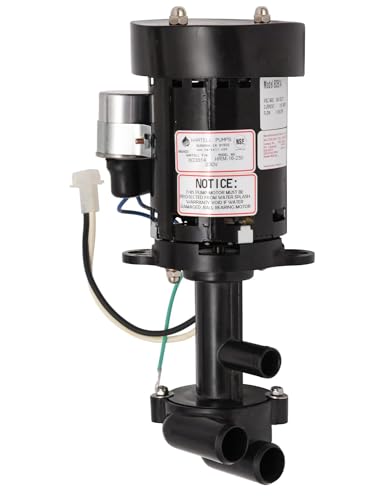
Replacement for GPPS-2SC-2 and 12-2256-02

Genuine OEM replacement part

Replacement for GPP-4S-1 and 12-2265-01
Evaluating the Condenser and Evaporator Fans
Once we’ve confirmed the recirculation and drain pumps are up to par, it’s time to examine the condenser and evaporator fans. These fans are essential for temperature regulation in ice makers. We should listen closely for unusual sounds, such as grinding or rattling noises. Such sounds can indicate that the fan blades are hitting obstacles. Also, frost buildup on the fans can impair performance and lead to noisy operation. Regularly inspecting the fan assembly is important; worn motor bearings can cause whining sounds, signaling potential failure. We must guarantee the fan components are securely fastened, clean, and devoid of debris. This simple maintenance task protects efficiency, cuts down on noise levels, and extends the life of our ice maker. Maintaining optimal air fryers operate quietly can also enhance the overall kitchen experience by reducing background noise.
Recommended Products

Item Type: MotorBrand: MANITOWOC ICEManufacturer Part Number: 20003650Made in the United States

Powerful and efficient commercial ice maker: Designed for high-demand commercial use, this commercial ice machine boasts a daily output of up to 550 pounds. It completes an ice-making cycle every 5-15 minutes, saving you significant costs and time on ice purchases. Providing ice for over 4600 beverages daily, it's ideal for restaurants, bars, cafes, and other venues with high ice consumption. Furthermore, this ice maker is ETL certified and approved for commercial use.

[Large and Efficient Production] With a production capacity of up to 550 pounds of clear ice cubes per day, Coolski commercial ice machine is designed for any high-demand setting. Its 8-15 minute cycle time and 300LBS capacity storage bin ensure a constant supply of ice. Plus, its compact 22-inch design allows for easy installation in any space.
The Importance of Proper Leveling
Ensuring our ice maker is properly leveled is more important than it may seem. When it’s uneven, we can experience increased vibrations and annoying noise levels. Loose components may rattle, creating a less enjoyable atmosphere in our kitchen. A properly leveled ice maker guarantees that all four feet are firmly on the ground, which minimizes operational disturbances. Slightly tilting it backward can actually enhance water drainage, preventing ice buildup and further noise issues. To achieve proper leveling, we should use a level tool to check side-to-side and front-to-back alignment. After adjustments, we must regularly recheck its position to reduce mechanical wear. This simple maintenance step can help prolong our ice maker’s lifespan while keeping those crunchy ice cubes coming! Additionally, maintaining a streak-free finish on the surrounding surfaces can help keep the ice maker clean and functional.
Recommended Products
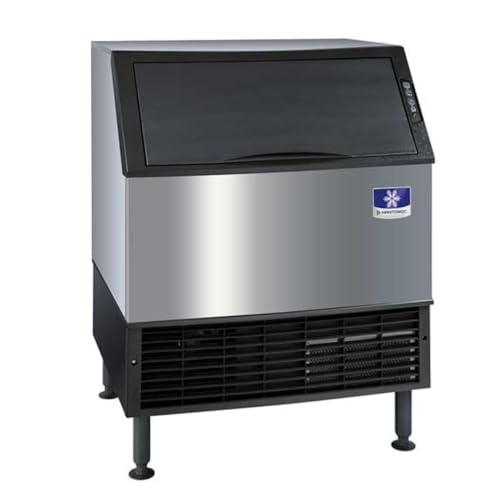
Manitowoc Commercial Undercounter Dice Ice Maker UDF0310A: Outstanding Production Capacity - Capable of producing up to 286 lbs of ice per day at optimal conditions (70°F/50°F) and 233 lbs AHRI certified at higher temperatures (90°F/70°F), ensuring a steady and abundant ice supply.

✅【𝟱𝟬𝟬 𝗟𝗕𝗦/𝗗𝗔𝗬 𝗖𝗢𝗠𝗠𝗘𝗥𝗖𝗜𝗔𝗟 𝗜𝗖𝗘 𝗣𝗥𝗢𝗗𝗨𝗖𝗧𝗜𝗢𝗡】: Built for high-demand commercial environments, this commercial ice maker produces up to 500 lbs of ice every 24 hours. Equipped with a powerful compressor, it delivers a continuous supply of crystal-clear ice for restaurants, bars, hotels, cafés, convenience stores, and other businesses that require reliable ice production.
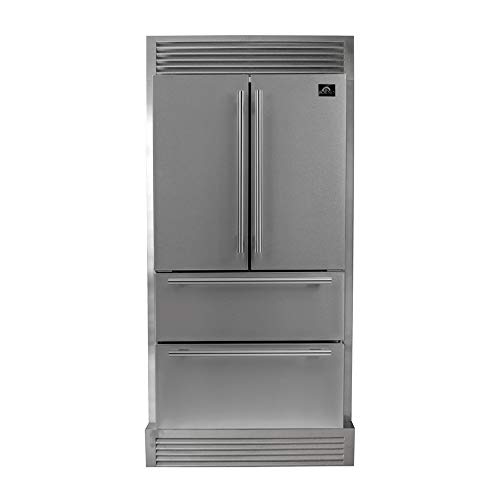
𝐅𝐑𝐄𝐒𝐇 𝐅𝐎𝐎𝐃 𝐙𝐎𝐍𝐄: The 40” Forno french door refrigerator offers a frost-free, free-standing design with a multi-air flow cooling system. With ample space to store your fresh food with 3 adjustable glass shelves, Two-gallon bins, and 2 Durable Drawers. The Fridge capacity is 12.12 cubic feet. Easy access drawers when doors are open at 90°
Maintenance Tips for Ice Makers
Maintaining our ice maker is essential for keeping it running smoothly and producing those crunchy ice cubes we all enjoy. To start, we should clean the ice maker every 2-3 months. This prevents ice buildup and maintains peak performance. Next, let’s inspect and clear any blockages in the water supply and drainage lines to guarantee proper water flow. We can also check for loose components that can cause rattling or buzzing noises. Keeping a consistent freezer temperature is important, as fluctuations can lead to unusual sounds. Additionally, documenting repairs and maintenance helps us track performance issues. Following these maintenance tips means those annoying noises can be fixed, allowing us to enjoy ice without worry. Regular maintenance not only ensures peak performance but also enhances energy efficiency ratings, leading to lower electricity costs in the long run.
Frequently Asked Questions
How Loud Should an Ice Maker Be?
An ice maker should produce gentle sounds, like filling water or dropping ice, which we find acceptable. If we hear persistent loud noises, it might signal a problem, and we should consider professional help.
How to Quiet a Noisy Ice Maker?
To quiet a noisy ice maker, we can practice regular ice maker maintenance and apply soundproofing techniques. Inspect for obstructions, level the machine, and secure loose parts to greatly reduce unwanted noise.
Is 40 Decibels Loud for a Fridge?
Fridge noise at 40 dB is surprisingly soothing, not loud at all. In fact, those sound levels are suitable for serene settings, so there’s no need to worry about disruption in our peaceful spaces!
What Fridge Noises Are Normal?
We hear various fridge sounds that are normal, like gentle splashing from the ice maker sounds and occasional clunks as ice drops. These indicate everything’s working fine, so don’t worry about the noises!


