As an Amazon Associate, we earn from qualifying purchases. Some links on this site are affiliate links at no extra cost to you. Our recommendations are based on thorough research and editorial judgment.


Ideal Water Types for Better Ice: Tap, Filtered, or Distilled

For the best ice quality, we should use distilled water. It creates clear, crunchy ice and reduces bacteria risks. Filtered water is another good option, as it enhances taste and minimizes contaminants like chlorine. Tap water can be convenient, but it often contains high minerals leading to cloudy ice. Regular testing and using filtration systems can improve tap water quality. Choosing the right water impacts the efficiency and lifespan of our ice makers, and there’s more to explore.
Key Takeaways
- Distilled water is ideal for clear and clean ice cubes, minimizing cloudiness and bacteria risk.
- Filtered water improves taste by reducing impurities like chlorine and heavy metals while enhancing ice clarity.
- Tap water can be convenient, but hardness can lead to cloudy ice and build-up in ice makers.
- Using distilled or filtered water prolongs ice maker lifespan by preventing mineral and scale buildup.
- Regular water testing helps identify contaminants, ensuring the best water type for optimal ice production.
The Importance of Water Quality for Ice Production
When it comes to producing high-quality ice, the purity of water matters considerably. Water quality plays a vital role in achieving clarity and taste in ice production. For best results, we recommend using distilled water, as it’s free from minerals and contaminants. This guarantees clean, clear ice cubes without the risk of scaling in our ice maker. If distilled water isn’t accessible, filtered water is a solid alternative, improving taste by reducing impurities. However, we should avoid tap water, particularly in areas with hard water, as it can cause cloudiness and potentially harm our ice-making equipment. Maintaining proper water quality is important for efficiency and extending the life of our ice maker, so let’s prioritize what we use. Additionally, using energy-efficient options ensures that our ice makers maintain performance while maximizing ice production.
Characteristics of Distilled Water for Ice Makers

Using the right type of water is a game changer for our ice makers. Distilled water is perfect for producing high-purity ice. It starts by boiling regular water, eliminating minerals, and contaminants. This process means we get crystal clear ice that looks appealing and tastes fresher. Using distilled water also helps prevent scale and mineral buildup in our machines, keeping them running efficiently. Additionally, it reduces the risk of bacteria formation, leading to safer ice production. While some may find the ice flavorless due to the absence of natural minerals, the benefits of ideal machine performance outweigh this concern. By regularly using distilled water, we can enhance the longevity and effectiveness of our ice makers, ensuring they perform at their best. Moreover, distilled water’s efficient cleaning processes contribute to the maintenance ease of self-cleaning ice makers.
Advantages of Using Filtered Water
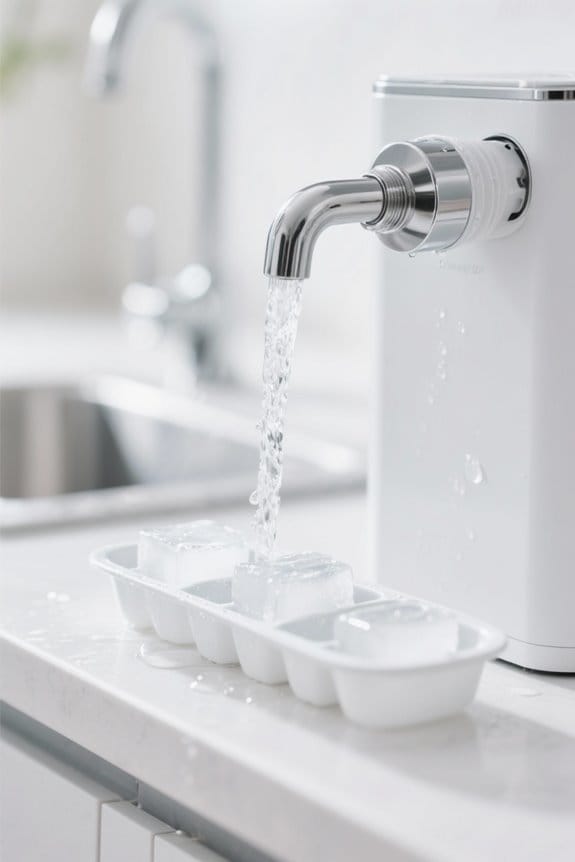
Filtered water offers a range of advantages that improve the overall ice-making experience. Using filtered water substantially reduces contaminants like chlorine, heavy metals, and organic impurities. This leads to clear ice cubes and an enhanced taste. In our ice-making machines, impurities can cause mineral deposits that wear down performance over time. By choosing high-quality filtered water, we minimize this risk. It also decreases the likelihood of bacteria and microorganisms, ensuring our ice is safe to use. For ideal results, investing in a reliable filtration system is key. Regular maintenance not only boosts ice quality but also extends the lifespan of our machines. Cleaner, purer ice means better drinks, whether we enjoy them fizzy or crunchy on a hot day. Additionally, many filtration systems focus on reducing contaminants that contribute to improved taste and clarity in ice-making.
Tap Water: Benefits and Drawbacks

While tap water is a common choice for making ice due to its accessibility, it comes with both benefits and drawbacks. Tap water is convenient and often treated to meet safety standards, ensuring its quality. However, the quality can vary by location. Potential contaminants like chlorine, lead, and heavy metals can impact both purity and taste. Additionally, hard water can cause mineral buildup, leading to cloudy ice that reduces ice production efficiency. To improve ice clarity and minimize impurities, filtering tap water is recommended. We should regularly test our local water to understand its specific quality. Making informed choices about using tap water for ice production can enhance both the appearance and functionality of our ice. Proper filtration systems can greatly improve water quality, which aligns with the importance of energy efficient modes for minimizing power consumption and enhancing performance in appliances.
Recommended Products
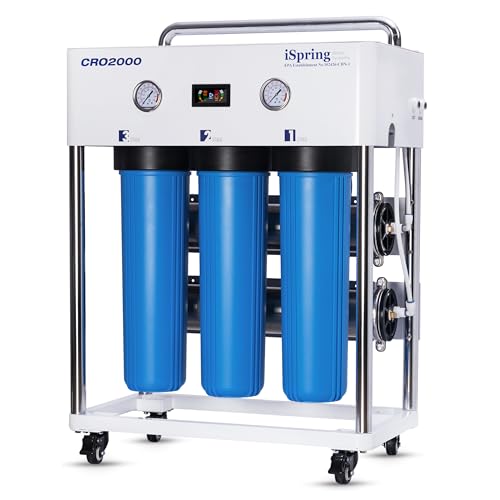
Advanced RO Membrane Technology: Equipped with a high-efficiency RO membrane, the CRO2000 removes up to 99% of over 1,000 contaminants, including PFAS and lead. It offers superior water-saving capabilities, with a low pure-to-waste ratio of 2:1 and a daily output of up to 2,000 gallons.
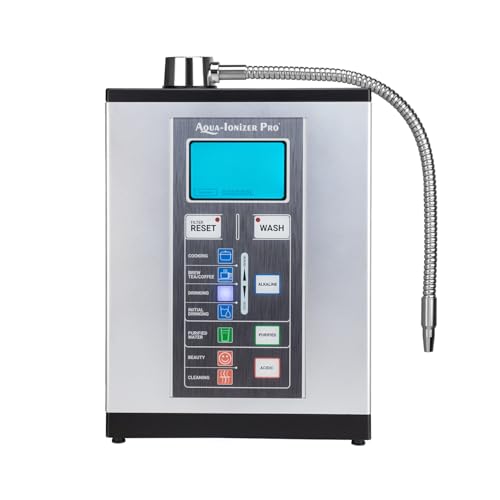
HAPPY, HEALTHY & HYDRATED: Alkaline Water may help detoxify the body, increase energy & hydration

[100LBS/24H NUGGET ICE + 12LB STORAGE] Produces commercial-grade chewable ice (100Lbs daily) with a 12Lb storage bin—enough for 350+ drinks. The rapid-cooling system makes fresh ice in minutes, not hours.
The Role of Minerals in Ice Quality

The quality of ice we make directly relates to the minerals present in the water used for freezing. High levels of calcium and magnesium in hard water can lead to cloudiness and impurities in our ice. This not only impacts the ice quality but also affects the lifespan of our ice machines due to scale buildup. Distilled water is ideal because it’s free from all minerals and contaminants, resulting in clear ice that’s visually appealing. Filtered water can also produce good results, but it may not match the clarity of distilled options. For the best ice cubes, we should prioritize low-mineral water types, ensuring our beverages stay crispy, fizzy, and visually appealing. Clear ice is the ultimate goal for enhancing our drinks. Additionally, using high-power blenders can create mixed drinks that pair well with crystal-clear ice, elevating the overall experience.
Boiled Water and the Mpemba Effect Explained
If we want to enhance our ice-making process, understanding the Mpemba effect is crucial. When we boil water before freezing, we often create cleaner, purer water. This reduces impurities and dissolved gases, which can cloud our ice. The Mpemba effect suggests that hot water can freeze faster than cold water due to evaporation and its lower gas content. In a freezing environment, boiled water can produce clearer ice cubes. To maximize results, we should verify the container is suitable and monitor ambient temperature. While the distillation process improves water purity, it may not always be practical. In contrast, boiled water’s simplicity can lead to excellent outcomes without advanced equipment. Consequently, let’s explore this unique approach to achieve better ice. Additionally, using non-toxic coatings in cookware can enhance overall cooking success, similar to how boiled water improves ice clarity.
Comparing Water Filtration Options
When selecting the best water filtration options for ice production, understanding the differences can make a big impact. Filtered water, using carbon filters or reverse osmosis, effectively removes chlorine and contaminants. This results in clear, crunchy ice cubes that taste better. Distilled water is another option; it’s free from minerals and impurities, which helps prevent scale buildup in ice machines. However, reverse osmosis may not eliminate all bacteria, so combining it with carbon filters is worthwhile for improved quality. Always consider water quality testing to identify specific contaminants in your water supply. By knowing what’s in your water, we can choose the right filtration system and guarantee the best ice-producing water possible.
Recommended Products

𝐀𝐝𝐯𝐚𝐧𝐜𝐞𝐝 𝐅𝐢𝐥𝐭𝐫𝐚𝐭𝐢𝐨𝐧 𝐓𝐞𝐜𝐡𝐧𝐨𝐥𝐨𝐠𝐲: Crystal Quest whole house water filter system employs reverse osmosis technology to efficiently remove contaminants and dissolved solids from your water supply. This advanced filtration process of our house water filter system ensures you access clean, refreshing water that tastes great.

MAKE PURE DRINKING WATER FROM AIR The Aqua Vitale A20L atmospheric water generator produces up to 20 liters (5.3 gallons) of fresh drinking water per day directly from ambient air. No plumbing, no water lines, and no bottled water deliveries required.
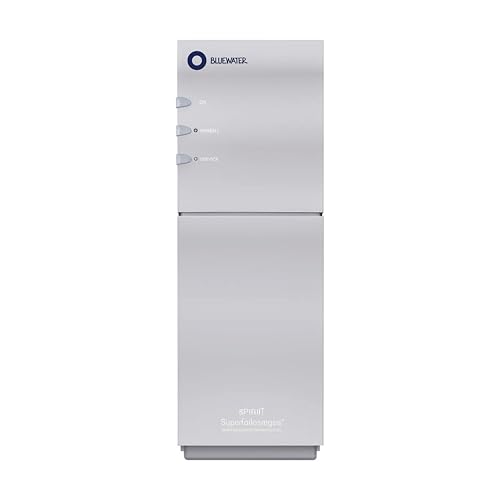
WATER LIKE NEVER BEFORE: Transform your tap water into a world-class pure water experience. The Spirit RO water filtration system features advanced purification tech to remove what others miss and deliver a truly unique hydration experience.
How to Maintain Your Ice Maker
Maintaining our ice maker properly guarantees we enjoy crunchy, clear ice for our beverages. Regular cleaning and descaling are vital to minimize scale formation and maintain ice quality. We should use distilled water to prevent mineral deposits and resultant cloudiness in ice cubes. Monitoring our water quality is important; hard tap water can damage our ice maker over time. Establishing a maintenance schedule helps us stay on top of cleanliness and functionality checks. Investing in a reliable water filtration system can treat our water, reducing maintenance frequency and improving ice clarity. In addition, utilizing steam cooking’s benefits can enhance our overall kitchen efficiency and health during meal preparation. Let’s commit to these practices to make certain our ice maker operates efficiently and provides that perfect, fizzy drink experience we all love.
Recommended Products

Commercial Grade Use - Euhomy commercial ice maker offers over 400 pounds/24h ice production, providing efficient ice for your business operations. With the first-calss SECOP compressor, the commercial ice machine produce ice in just 10-15 minutes, and the thickness of ice cubes can also be adjusted according to different purposes. Whether it's a hotel, restaurant, bar, or coffee shop, it can meet your demand for large-scale ice production
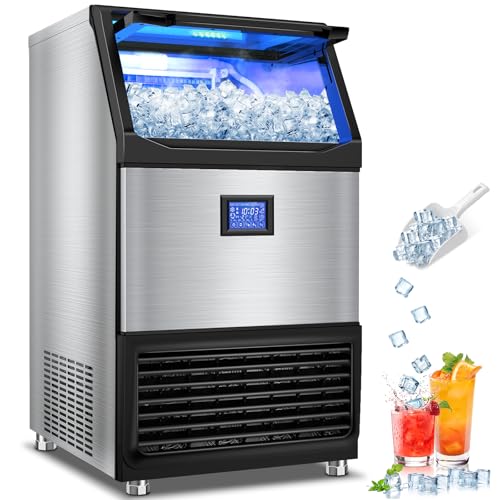
Exceptional Ice-Making Capacity for Demanding Needs. Experience unparalleled ice production with this high-performance commercial ice maker. This ice maker is capable of producing up to 162 crystal-clear ice cubes in just 6–20 minutes and an astonishing 500 lbs of ice within 24 hours, it easily supports over 2,000 beverages daily. The spacious 132 lbs insulated storage bin ensures you always have a generous supply of fresh ice on hand, perfect for bustling restaurants, bars, offices, and large events.

Intense and Fast Ice Macking: Capable of producing 400 lbs of ice in 24H and quickly makes a batch of clear ice in one cycle within 5-15 mins, and the included ice storage bin holds up to an impressive 300 lb. of ice, the ice machine ensures you’ll always have plenty of ice on hand
Common Issues With Different Water Types
Choosing the right water for our ice maker can make a significant difference in both ice quality and machine longevity. Tap water often leads to cloudy ice due to high mineral or chlorine content. This can result in limescale buildup, which negatively impacts machine efficiency. Filtered water does remove many chemical contaminants and improves taste but still contains some minerals, potentially affecting performance over time. Distilled water is ideal; it’s free from minerals and prevents scale buildup for crystal clear ice. Bottled water, while tasty, also contains minerals that could lead to issues if used regularly. We should avoid softened water, as it adds sodium, leading to salty ice and increases mineral deposits in our ice makers. Additionally, using self-cleaning features can help maintain optimal ice quality when taking water types into account.
Recommended Products

[Trusted certification] Tested and certified by IAPMO R&T against NSF/ANSI 42 & 58 & 372 standard, and tested by SGS to reduce harmful substances

OPAL NUGGET ICE, THE GOOD ICE - Serve up chewable, crunchable, craveable nugget ice that's ready fast and retains its flavor, unlike traditional hard cubes; Refreshing nugget ice is made from compacted ice flakes and is perfect for cocktails, sodas and other beverages
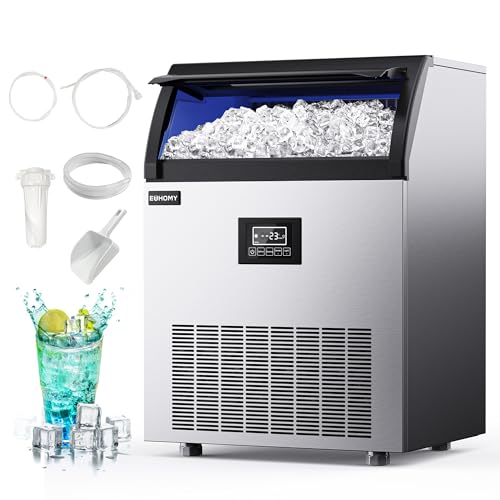
Ultra-High Efficiency&Ice Output: Our commercial ice maker machine can produces 350 lbs ice per day , with 126 clear ice cubes ready in just 10-12 minutes, you will have no worry about running out of ice again even during peak hours, meanwhile, the ice maker also has a storage container for 44 lbs of ice and the thickness of our ice machine can also be adjusted for different drinks, like cocktails, beverages, coffee and more, especiallly ideal for home, bars, restaurants, cafe, hotels and other occasions for using ice.
Recommendations for Optimal Ice Production
To achieve the best ice production, we should prioritize using distilled water. It’s free from minerals and impurities, which helps eliminate scaling issues and guarantees peak machine performance. Using filtered water can also be beneficial. It reduces chlorine and organic impurities, enhancing ice quality and the longevity of our ice maker. While tap water is convenient, its quality varies greatly; high mineral content can lead to cloudy ice and accumulation of mineral deposits. If we opt for bottled spring water, we should be cautious, as natural minerals might improve taste but can result in cloudier ice. Overall, our best bet for clear and crispy ice is using distilled or filtered water for effective ice production. Ensuring the use of filtered water can also contribute to the optimal performance and upkeep of nugget ice makers.
Recommended Products

LEGIT NUGGET ICE: Opal nugget ice is the original soft chewable, crunchy nugget ice that can’t be imitated. Made from compacted ice flakes, it’s perfect for cocktails, iced coffee and smoothies. First batch in about 10 minutes.

Vaultico Grande Ice Ball Maker – 2025 Refined Upgrade: Upgraded CrystalFlux Technology makes 2.4" crystal-clear spheres that melt slower, chill deeper, and preserve whiskey’s pure flavor—precision-engineered for the ultimate pour

Crystal Clear Ice, Perfect Chill: Powered by CrystalFlux technology, the built-in air-release core removes trapped air to create ultra-clear, slow-melting ice—keeping drinks colder longer with less dilution
Frequently Asked Questions
Is Distilled or Purified Water Better for Ice?
We believe distilled water’s benefits far outweigh purified options for ice. Its mineral content enhances ice clarity, flavor impact, and ice maker maintenance, ensuring efficient freezing times and ideal temperature effects for the best results.
What Type of Water Is Best for an Ice Machine?
We’ve found filtered water’s like a fine wine—enhancing our ice clarity and flavor while keeping cube size perfect. Tapping into proper filtration systems prevents water hardness and high mineral content, ensuring safety standards we all trust.
Why Shouldn’t You Use Distilled Water in an Ice Maker?
We shouldn’t use distilled water due to concerns about ice clarity issues, taste differences, and poor texture. The lack of minerals affects freezing efficiency, while machine compatibility might seem better, maintenance implications arise down the line.
What Kind of Water Makes the Best Ice Cubes?
For the best ice cubes, we should consider filtered water’s advantages for clarity and taste. Tap water has benefits but can affect ice density and clarity. Boiling water reduces freeze time, enhancing quality overall.


