As an Amazon Associate, we earn from qualifying purchases. Some links on this site are affiliate links at no extra cost to you. Our recommendations are based on thorough research and editorial judgment.


Ice Taste Issues: Diagnosing Metallic or Plastic Flavors

If we’re facing bad-tasting ice, like metallic or plastic flavors, let’s first check our water supply. Impurities may cause these issues. Next, inspect the water filter; changing it every six months is key for clean ice. We should also clean the ice maker regularly to prevent mold. Disposing of old ice helps keep it fresh and crunchy. If problems persist, it might be time to get professional help for a thorough inspection and solution. More solutions await us ahead.
Key Takeaways
- Metallic or plastic flavors in ice often stem from impurities in the water supply or improperly installed water lines.
- Inspect and replace the water filter every six months to prevent unwanted tastes in ice production.
- Clean the ice maker regularly with vinegar and warm water to eliminate mold or mildew that may affect flavor.
- Discard the first batches of ice from a new refrigerator to remove any chemical residues from manufacturing processes.
- Ensure food is stored in tightly sealed containers to prevent ice from absorbing unwanted odors that contribute to off-flavors.
Common Causes of Bad-Tasting Ice
When we notice bad-tasting ice, it’s often due to specific factors we can address. One common cause is impurities in our water supply, which can lead to a metallic taste. Expired or clogged filters often contribute to this issue; a filter change every six months is essential for maintaining quality. Mold and mildew can also grow in an ice maker, causing sour or musty flavors. If we’ve recently bought a new fridge, we should discard the first few batches of ice since residual chemicals might affect the taste. Additionally, old ice can absorb odors from food in the freezer; sealing our food tightly helps prevent this. Regularly cleaning our ice maker guarantees fresh, good-tasting ice. Ensuring that your ice maker has energy-efficient features helps not only with performance but also maintains the quality of the ice produced.
Diagnosing Ice Taste Problems

Diagnosing ice taste problems starts with identifying potential sources of contamination. If our ice tastes bad, we should consider dirty water, a common culprit. First, let’s check the water filter; if it’s old, changing the water filter every six months can greatly improve taste. When we replace the filter, we might also need to flush the water lines, especially in new refrigerators. This process should involve discarding the first 5–10 batches of ice since these can carry manufacturing odors. Additionally, we should clean the ice maker to eliminate any build-up. Strong odors from unsealed food can affect the ice, so storing items in airtight containers guarantees we have clean water and, consequently, fresher-tasting ice. Higher production capacity ensures a consistent supply of ice, which can be essential for maintaining quality in larger quantities.
Inspecting Your Water Supply

Inspecting the water supply is a key step in solving ice taste issues. First, let’s taste the tap water from our kitchen sink. If both the ice and water taste bad, we might have a problem with our water supply. Bad-tasting ice could indicate impurities or contamination in the water lines. We should flush the lines periodically to check for these issues. If our tap water smells like chlorine or tastes earthy, it’s time to take action. We can address these taste issues with a quality water filter or purification system. Don’t overlook the importance of using proper tubing, like PEX, for our refrigerator. This can prevent undesirable flavors from affecting our ice. Regular testing helps maintain quality, and regular maintenance is essential to ensure that the ice machine operates efficiently and produces great-tasting ice.
The Role of Water Filters

Although we might assume our water supply is clean, the role of water filters can’t be overstated in maintaining our ice tastes fresh and pure. Using the manufacturer’s recommended water filter is essential for our refrigerator’s peak performance. Filters need replacing every six months to effectively remove impurities, preventing bad tastes in our ice. Clogged or expired filters can lead to musty and earthy flavors that are unappetizing. We should regularly check the condition of our filter, as improper installation may cause leaks and reduce filtration efficiency. By adhering to a consistent replacement schedule, we can maintain the quality of our ice. This proactive approach prevents common reasons for bad-tasting ice and guarantees our ice has that clean, crisp taste we all want. Additionally, using filtered water enhances the energy efficiency ratings of your ice maker, ensuring optimal performance and taste.
Recommended Products

Powerful Protection: Safeguard drinking water 24/7 with powerful UV light treatment.

Genuine OEM replacement part

This product is a suitable replacement for Elkay 51300C
Maintenance Tips for Ice Makers

Keeping our ice maker running smoothly is vital for enjoying that rejuvenating crunch in our drinks. We should clean our ice maker regularly using a vinegar and warm water solution to prevent mold and mildew growth. Every six months, let’s replace the water filter to maintain peak performance and eliminate bad-tasting impurities. After cleaning or replacing the filter, we should discard several batches of ice to confirm we’re getting fresh ice without lingering stale tastes. Additionally, it’s important to dump out old ice frequently to avoid staleness. Finally, let’s store food in tightly sealed containers to prevent odors from contaminating our ice. These simple steps guarantee fresh, tasty ice and enhance our overall beverage experience. Moreover, using materials compliant with regulatory standards ensures the safety and quality of your ice maker, further enhancing the experience.
Recommended Products

Air cooled unit with automatic ice making mode to ensure bin is always full, 120V, 114 lbs

Produces up to 140 lbs of full-dice (7/8" x 7/8" x 7/8") ice per day under ideal conditions, with 110 lbs/day AHRI certified at 90°F air/70°F water and a 90 lb internal storage bin.

BUILT-IN DESIGN: Install a filtered water dispenser in convenient areas of the home; ideal for new construction or remodels
Testing for Odor Absorption
How can we assure our ice remains fresh and free from unwanted odors? First, we need to understand that ice can easily pick up smells from the freezer. Common culprits for odor absorption include moldy produce or leftovers that aren’t sealed tight. To combat this, we suggest regularly cleaning the ice bin and the surrounding area with a baking soda solution. Using one tablespoon of baking soda in a quart of warm water will do the trick. Furthermore, all food in the freezer should be stored in airtight containers. Finally, we shouldn’t forget to discard any dirty ice that’s been sitting for weeks or months. This helps maintain a clean taste and assures our ice stays fresh for use.
The Importance of Fresh Ice
Our ice quality plays a significant role in the overall drinking experience. Fresh ice enhances the flavor of our beverages. If ice is stale, it can impart unpleasant tastes and smells. Ice that’s been stored for too long becomes cloudy, leading to flat-tasting drinks. We should produce fresh ice frequently while properly maintaining our ice maker. Regularly replacing the water filter is essential too, as clean water is important for great-tasting ice. When we store ice, let’s make certain it’s in airtight conditions to prevent odor absorption from nearby foods. By producing fresh ice, we not only improve taste but also promote better hydration. Enjoying crunchy, fizzy drinks starts with the right ice. So, fresh ice is critical for flavor. Additionally, many models have a self-cleaning function that simplifies maintenance, enhancing ice quality over time.
Solutions for Improving Ice Taste
To guarantee our ice tastes fresh and clean, we need to follow specific maintenance steps. First, let’s replace the water filter every six months. This helps remove contaminants that can make refrigerator ice taste bad. Next, we should flush the refrigerator’s water line by running several gallons through the dispenser. This will eliminate stale tastes and impurities in the lines. Cleaning the ice maker with a vinegar and warm water solution prevents mold growth, ensuring better flavor. Additionally, we can store food in airtight containers, which stops ice from absorbing odors. Finally, regularly dumping old ice and making fresh batches keeps our ice crispy and tasting great, while preventing unpleasant, stale flavors from lingering. To enhance the quality further, consider using a suitable descaling solution to address any mineral buildup in the ice maker.
Recommended Products

Premium Quality: Highest quality coconut carbon blocks sourced from the USA

New Fleck 2510 filter valve replacement for filter tanks

Professional Help and Service Options
When ice continues to taste metallic or plastic, seeking professional help can be the best course of action. Trained technicians can diagnose the issue, ensuring the ice maker functions properly and eliminating contamination sources. They’ll inspect the refrigerator water filter, water supply tubing, and internal components, checking for wear or damage. Regular maintenance packages often include systematic filter replacements and cleaning of the ice maker and water reservoir. This thorough approach prevents unpleasant tastes by tackling buildup or mold. If you’re unsure about your ice quality, relying on professional assistance offers peace of mind. It’s essential to address these problems promptly, so your ice retains that rejuvenating, crunchy quality we all enjoy. Additionally, many ice makers, such as self-cleaning models, help reduce contamination risks through automated cycles.
Recommended Products

Advanced Filtration Power – Swift Green Filters reduce lead, chlorine taste & odor, VOCs, cysts, scale, and sediment — giving your family access to cleaner, great-tasting water every day.

Maximum Operating Pressure: This softening cartridge can withstand up to 125 psi (862 kPa), ensuring reliable and consistent performance

Best Practices for Ice Quality Maintenance
Maintaining high-quality ice is essential for enjoying that invigorating crunch in our drinks. First, we must replace our water filter every six months to guarantee peak performance and eliminate impurities. Regular cleaning of the ice maker and ice bin with mild soap and warm water helps us avoid mold and unwanted contaminants. We should also store food in tightly sealed, airtight containers to prevent our ice cubes from absorbing strong odors from the freezer. If we haven’t used our refrigerator or ice maker for a while, flushing the water line by discarding a few batches of ice can help keep our ice fresh. Finally, using appropriate water supply tubing, like PEX, helps prevent unwanted flavors from affecting our ice. Choosing an ice maker with self-cleaning features can further enhance ice quality and reduce maintenance efforts.
Recommended Products

Industrial Grade Ice |2000LBS/24H Capacity: Well-known-brand genuine compressor: 5-15 minute cycle (50% faster than standard model); Cost Savings: Eliminate daily ice cube purchases in bars/restaurants
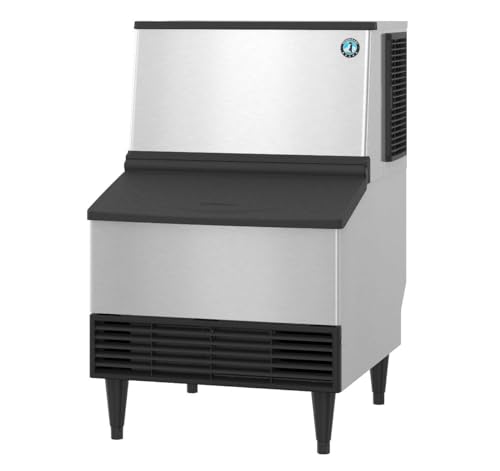
The KM-231BAJ is capable of producing approximately 213 lbs of crescent cubed ice. This Undercounter Air-cooled, Built in Storage Bin icemaker stores up to 80 lbs of ice*, which makes it ideal for small bars, hotel lobbies, and office break rooms. It features the CycleSaver design and includes the EverCheck alert system making the unit simple to maintain. The KM-231BAJ requires a Single phase, 115v/60/1, 6.5 ft cord with NEMA 5-15 plug electrical connection. Front in, front out airflow. Please consult the Specification Sheet for additional details.*Rated in accordance with AHRI Standard 820(I-P). Capacity based on 100% of total volume x 30 lb/ft3 average density of ice. Replaces KM-230BAJ.

Up to 51 lbs of ice produced per 24 hours
Frequently Asked Questions
Why Does My Ice Taste Metallic?
Have we ever noticed a metallic taste in our ice? It could stem from poor water quality, ice contamination, or even flavor absorption from ice storage. We must prioritize ice hygiene and regular freezer maintenance for the best results!
Why Does My Ice Taste Like Plastic?
Our ice tastes like plastic due to flavor absorption from a crowded freezer, poor ice machine maintenance, or an unsuitable water source. Let’s guarantee proper storage and regular maintenance to enhance ice quality and eliminate contamination.
Why Does My Freezer Make My Ice Taste Weird?
We’ve noticed that weird ice taste often stems from freezer odors or poor water quality. Maintaining our ice machine, ensuring proper air circulation, and regularly checking temperature settings and containers can help eliminate off-flavors in our ice.
Why Does My Ice Taste Bad but Water Tastes Fine?
If our ice tastes bad while the water’s fine, it could be ice quality from the ice maker or storage. Contaminated odors in the freezer and cleanliness might also affect our taste perception. Regular maintenance helps!


