As an Amazon Associate, we earn from qualifying purchases. Some links on this site are affiliate links at no extra cost to you. Our recommendations are based on thorough research and editorial judgment.


How to Store and Keep Ice From Clumping After Production

To keep ice from clumping after production, we should store it in airtight, freezer-safe bags. Portion the ice into smaller bags and fill them halfway, laying them flat. Maintaining a freezer temperature of 0°F (-18°C) is essential for reducing moisture. We can also place parchment paper between the ice portions to act as a barrier against clumping. Regularly emptying the ice maker bin prevents compression. Follow these tips for crisp, revitalizing ice, and more solutions await.
Key Takeaways
- Store ice in airtight, freezer-safe bags to minimize moisture exposure and prevent clumping.
- Portion ice into smaller bags, filling them halfway and laying flat in the freezer for even freezing.
- Use parchment paper between ice portions to create barriers and reduce stickiness over time.
- Maintain freezer temperature at or below 0°F (-18°C) to avoid refreezing and clumping issues.
- Regularly empty the ice maker bin to prevent compression and keep ice separated.
Understanding Ice Clumping and Its Causes

Understanding how ice clumps together can help us store it more effectively. Ice clumping occurs when moisture in the air causes ice cubes to partially melt and then refreeze, making them stick together. This is especially true for nugget ice, which is porous and absorbs moisture easily. Temperature changes in the freezer, like frequent door openings or defrost cycles, make clumping worse. Additionally, overcrowded storage spaces or closed containers can trap humidity, increasing the risk of ice sticking. We should also consider mineral deposits from hard water, which can create stickiness in ice. By recognizing these factors, we can make informed decisions on how to manage and prevent ice clumping in our ice storage systems. Using clear ice cube makers, which produce ice with fewer air bubbles and impurities, could potentially minimize clumping issues.
Effective Storage Solutions for Ice

To effectively store ice and prevent clumping, we should start by using appropriate containers. Insulated water jugs or airtight, freezer-safe bags work well. For example, brands like RTIC are excellent choices. We can portion ice into smaller bags and lay them flat in the freezer. This helps guarantee even freezing so ice keeps clumping less often. For ice cubes, paper bags are ideal since they absorb moisture, making retrieval easy. An effective long-term solution is placing parchment paper between portions of ice to create a barrier. Additionally, we need to clean the ice maker regularly and empty the ice bin daily. This practice prevents compression and minimizes the risk of clumps forming in our ice supply. Regular cleaning of the ice maker enhances self-cleaning capabilities, ensuring our ice remains fresh and free from contaminants.
Recommended Products
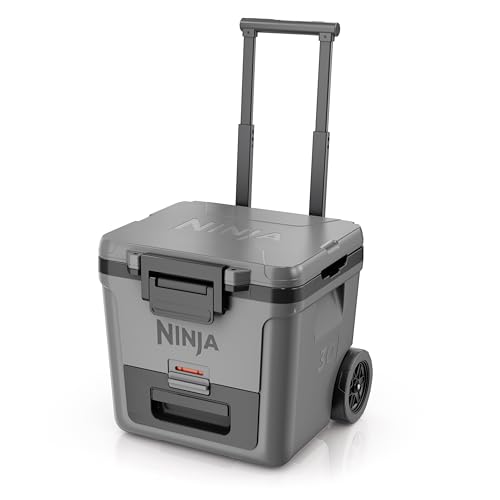
FROSTVAULT TECHNOLOGY: Cold transfers into FrostVault Dry Zone to keep food cool, dry and separate at food-safe temperatures (under 40° F) for days

FROSTVAULT TECHNOLOGY: Cold transfers into FrostVault Dry Zone to keep food cool, dry and separate at food-safe temperatures (under 40° F) for days

The information below is per-pack only
Best Practices for Freezer Temperature Control

Maintaining the right freezer temperature is essential for keeping our ice supply in top shape. We should aim for a temperature of 0°F (-18°C) or lower. This helps prevent melting and refreezing, which causes clumping. We need to be mindful of door openings; frequent access can lead to temperature fluctuations, resulting in ice bonding. To maintain steady freezer temperature, let’s avoid overcrowding. Good airflow makes a big difference in sustaining cold conditions. Regularly check door seals, too; compromised seals can let warm air in. Investing in a thermometer can help us monitor and sustain our freezer temperature consistently. Additionally, using a unit with efficient ice production capacity can help in maintaining a fresh supply of ice without clumping. By following these practices, we can guarantee our ice stays perfectly crunchy and ready for a fizzy drink.
Recommended Products
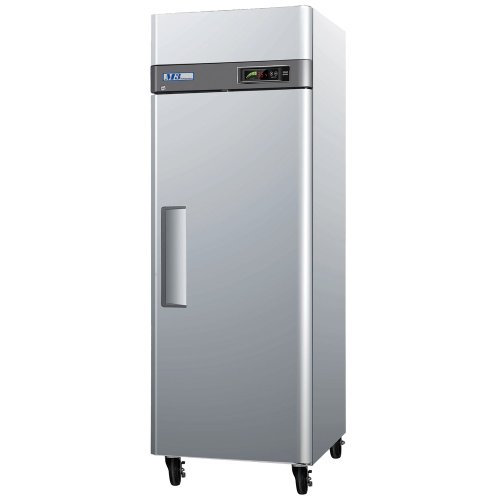
Self-Cleaning & High-Capacity Refrigeration – The Turbo Air M3F19-1-N features a top-mount, self-contained refrigeration system with a self-cleaning condenser, ensuring long-term performance with minimal maintenance. The 18.7 cu. ft. capacity provides ample freezing space, making it a reliable choice for commercial kitchens.
Turbo Air - M3R19-1-N - 1 Solid Door M3 Series Reach-In Refrigerator

COMMERCIAL WORKTOP FREEZER – This beautiful 2-door commercial freezer will keep things cool in your restaurant kitchen, this industrial freezer freeze you up to reach fresh culinary success
Tips for Maintaining Your Ice Maker

A well-functioning ice maker is key to having a steady supply of crunchy ice for our favorite fizzy drinks. To maintain our ice makers, we should clean them monthly with a descaler. This prevents mineral buildup that causes clumping. If we notice our ice bin fills too quickly, we can adjust the settings to avoid overproduction. Additionally, we must guarantee the flapper door closes properly, keeping warm air out. Monitoring our freezer temperature around 0°F (-18°C) helps prevent melting and refreezing. Finally, let’s stir the ice gently after each cycle. This separates the pieces before they set, minimizing the risk of clumping in the collection bin. Keeping these tips in mind will enhance our ice-making experience! To further improve the process, consider using self-cleaning functions, which many modern machines include to reduce buildup and maintenance efforts.
Strategies for Preventing Ice Clumps

When it comes to preventing ice clumps, we need effective strategies to keep our ice collection intact. First, we should always store nugget ice in airtight, freezer-safe bags or bins. This minimizes moisture and prevents clumping. Additionally, portioning ice into smaller bags and filling them halfway will help too. Laying them flat in the freezer promotes even freezing, which reduces compression. For long-term storage, placing parchment paper between ice portions acts as a barrier, discouraging sticking. It’s essential to maintain our freezer temperature at or below 0°F (-18°C) to avoid melting and refreezing. Finally, regularly emptying the ice maker bin helps prevent the compressive weight of accumulated ice from causing fusion and clumping over time. Additionally, using mini ice machines can enhance your overall ice production efficiency, ensuring you have a fresh supply readily available.
Recommended Products

Large Ice Storage: The ice storage bin can store up to 250 lbs / 113.4 kg of ice, providing a large reserve of ice for your needs.

Fits 10 to 20 Cu.Ft Freezers: This ANJUBAN Large Freezer Organizer Bins measures 11.65 inches - 17.4 inches (Length) × 11.88 inches (Width) × 6.1 inches (Height). The adjustable length range is 11.65 inches to 17.4 inches, fitting freezers from 10 to 20 cubic feet.

[Dimension] The size of the stackable storage bin is 14(L) X 7.1(W) X 5.7(H) inches,Set of 8, Fit Most 7 Cu.Ft Chest Freezer, Before purchasing the product please measure the size of your chest freezer
Quick Fixes for Existing Ice Clumping Issues
Ice clumps can be frustrating, especially when we need that crunchy texture for drinks or snacks. If we’ve got clumped ice cubes, a few quick fixes can help. First, let’s thaw the ice in the fridge for about 10-15 minutes. This softens the clumps and makes separation easier. Next, using a fork or mallet, we can gently break apart the ice cubes, avoiding too much force to prevent crushing. Another method is microwaving the clumped ice on the defrost setting, closely monitoring it to prevent melting. Once separated, we should store the ice in airtight, freezer-safe bags or bins to minimize air exposure, reducing future clumping. Remember these tips for perfectly usable ice cubes! Additionally, investing in an ice maker with self-cleaning features can help maintain ice quality by reducing contamination and moisture, which leads to clumping.
Recommended Products
![Bormioli Rocco Dedalo Ice Bucket With Stainless Steel Tongs | Etched, Star-Cut Design Italian Glass Bucket [30.50 oz] | Dishwasher-Safe & Perfect For Your Home Bar](https://m.media-amazon.com/images/I/51AEo+RLnXL._SL500_.jpg)
THE ELEGANT DEDALO ICE BUCKET IS HERE: Our classic set includes an elaborate ice bucket and stainless steel tongs that will absolutely elevate your serving and tasting experience. In fact, our ice bucket set is an essential for every home bar!

- BIGGEST COOLER YET: Our customers asked for a bigger cooler so here it is! Our Ark Series cooler is designed for the professional high volume user with options at 100 Quarts or 110 Quarts with Wheels. Tough, rugged and large. This cooler is intended to be filled up and stay in place. Don't try and move this one around without emptying it first.
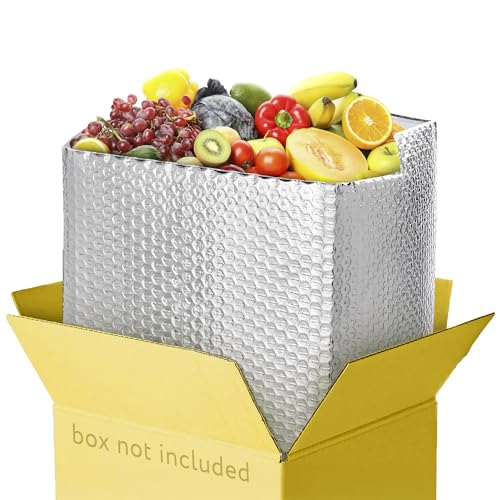
Pack of 50 Disposable Insulated Bags for Shipping, Measures 10 x 10 x 10 Inches. Crafted with bubble padding and thermal foil to keep items hot or cold for hours. These insulated shipping bags for food make shipping frozen and perishable items safe and reliable.
Troubleshooting Common Ice Maker Problems
Clumped ice isn’t the only issue we might face with our ice makers. If ice is sticking together, we need to troubleshoot. First, let’s check the flapper door. It should seal properly, preventing warm air from entering. Next, we should regularly monitor the freezer temperature, keeping it around 0°F (-18°C). This helps discourage melting and refreezing. We also need to inspect airflow around the ice maker and bin, ensuring proper circulation for adequate freezing. If clumping persists, we might have to manually defrost the ice bin to address build-up issues. Finally, cleaning the ice maker frequently and turning it off during off-season helps prevent unnecessary ice production that can lead to compaction and clumping. Using a cleaning method that includes warm, soapy water can help maintain the ice maker’s performance and prevent clumping issues.
Frequently Asked Questions
How to Stop Ice From Clumping Together?
To stop ice from clumping together, we should focus on proper ice preservation. By storing ice in airtight bags and maintaining a consistent freezer temperature, we can keep it from sticking and forming clumps.
Is It Better to Put Ice on the Bottom or Top of a Cooler?
It’s definitely better to place ice at the bottom of a cooler! This cooler configuration lets cold air circulate upwards, ensuring our food stays colder for longer without sogginess from melting ice. Let’s keep our items dry!
Why Put Dawn in Ice Cube Trays?
Why wouldn’t we want smoother, clearer ice? By adding Dawn, we harness its benefits; it minimizes moisture retention and keeps ice cubes from clumping, ensuring our drinks stay pristine and invigorating throughout our gatherings.
How to Store Ice for a Long Time?
For long-term storage, we should use freezer-safe bags, portioning the ice, and ensuring our freezer stays at 0°F or lower. Regularly emptying the ice maker prevents clumping and keeps our ice fresh longer.


