As an Amazon Associate, we earn from qualifying purchases. Some links on this site are affiliate links at no extra cost to you. Our recommendations are based on thorough research and editorial judgment.


Dealing With Condensation and Frost in Compact Fridges

To deal with condensation and frost in compact fridges, we should focus on a few key areas. First, maintain an ideal temperature between 35°F and 38°F. Regularly check door seal integrity with the dollar bill test. Next, limit door openings, especially during high humidity, and keep air vents clear to promote good airflow. It’s also essential to establish a defrost routine and manage drainage properly. If issues persist despite our efforts, exploring additional solutions could be beneficial.
Key Takeaways
- Regularly check and maintain door gaskets to prevent humid air from entering, which contributes to condensation and frost formation.
- Limit door openings, especially during high humidity periods, to reduce moisture entry and maintain stable internal temperatures.
- Ensure proper air circulation inside the fridge by clearing blocked vents, as this helps reduce frost accumulation and improve efficiency.
- Establish a defrost routine to prevent excessive frost buildup and maintain optimal performance of your compact fridge.
- If issues persist, seek professional help to address potential malfunctions or drainage problems affecting the fridge’s cooling efficiency.
Understanding Condensation and Frost Formation
When we think about condensation and frost in compact fridges, we should understand some key principles. Condensation happens when warm, humid air meets cold surfaces inside the fridge, creating water droplets. If the temperature drops enough, this moisture freezes into frost on evaporator coils or walls. High humidity levels make this issue worse, especially in compact fridges that lack good air circulation. Frequent door openings let in warm air, increasing condensation and frost problems. To combat this, we must guarantee proper sealing of door gaskets and clear air vents. Keeping humidity low around the fridge can also help. Additionally, many compact fridges are designed with maximized energy efficiency, which can further aid in minimizing condensation by regulating internal temperatures effectively. By managing these factors, we can enjoy our fizzy drinks and crunchy snacks without unwanted ice buildup.
Common Causes of Excess Moisture

Excess moisture in compact fridges often stems from several key issues that we should address to maintain peak performance. One common cause is humid air entering when we frequently open the door, leading to condensation on cold surfaces. Blocked air vents can also obstruct airflow, causing uneven cooling and excess frost accumulation. Additionally, when warm air hits the cold evaporator coils, especially in high-humidity environments, moisture levels rise considerably. Improper door gasket seals allow even more humid air in, worsening frost buildup. To manage all this moisture effectively, regular defrosting is essential, along with keeping the temperature at an ideal setting—generally around 35°F to 38°F—for robust performance and minimal freezing issues. Consider using a compact toaster oven for versatile cooking options that can help reduce the need for frequent fridge access.
Importance of Regular Maintenance

Regular maintenance of our compact fridges is crucial to keep them running efficiently and to minimize condensation issues. Performing a defrost routine helps prevent frost accumulation, ensuring peak performance. We should regularly check door gaskets for cleanliness and damage; compromised seals can let in humid air, worsening condensation. Routine wipe-downs of the interior surfaces manage moisture levels, preventing mold growth. Familiarizing ourselves with the fridge’s drainage system is fundamental; a malfunctioning system can cause water to accumulate, damaging flooring. Additionally, we must pay attention to air circulation. Blocked air vents can limit airflow, leading to uneven cooling and increased frost. Adopting these maintenance practices is essential for condensation management and overall appliance longevity. Keeping in mind the energy efficiency of your fridge can also guide your usage habits for better performance.
Checking for Blocked Air Vents

To maintain peak performance in our compact fridges, we need to regularly check for blocked air vents. Obstructions like food items and packaging can hinder airflow. This can lead to poor temperature regulation and increased frost accumulation. Regular maintenance helps prevent these issues. We should inspect the air vents between compartments often, ensuring they’re clear. When airflow is restricted, localized hotspots can develop, leading to condensation issues. The location of air vents varies by model, so checking the user manual can guide us. By ensuring proper airflow, we can improve our fridge’s efficiency. Additionally, maintaining energy efficiency ratings is crucial in minimizing electricity consumption. Let’s commit to inspecting these areas regularly. This simple step can save us from bigger problems down the road, keeping our food fresh and cool.
Recommended Products

ALL-IN-ONE CLEANING TOOL: More than just a leaf blower, this versatile tool can handle every cleaning task on your to-do list. With the attachments, you can blow leaves, clear debris, sweep, dust, brush, dry—and even blow up inflatables.

【Efficient dryer cleaning tool set】-Professional cleaning tool set can help you deep clean buildup lint in the dryer. Including 52feet Dryer Vent Brush × 1, Dryer Lint Vacuum Attachment × 1, Lint Trap Brush × 1, Vacuum Cleaner Adapter x1, Dryer Adapter x1, Drill Bit x 1, Multi-Use Lint Cleaner Brush x1, Anti-SLip Gloves x1, Strong Tape x2, Rods Collection Bag x1, Laundry Bag x1, Lint Collection Bag x33, Lint Grabber x1, Blockage Removal Tool x1, Gap Brush x2,MULT-FUNCTIONALCLEANINGBRUSH x4,SELF-ADHECIVEHOOK x5

【UP TO 60 FEET】- Includes Flexible durable rods x44 that extend up to 60 feet, High quality synthetic brush head x2, Drill bit x1, Collection Bag x1, Disassembly helper kit x1
Evaluating Door Seal Integrity

When evaluating the door seal integrity, we need to look closely for any visible cracks or tears. It’s critical to regularly inspect the gasket for these issues, as well as any dirt buildup that can affect its performance. To check the seal, we can perform the dollar bill test: close the door on a dollar bill. If it slides out easily, the seal might be compromised. An effective door seal should compress tightly against the fridge frame, minimizing air leaks and keeping humidity at bay. If we notice any damage, replacing the seal promptly can help reduce frost buildup and improve energy efficiency. Maintaining this component guarantees our fridge operates effectively, keeping our food fresher longer. Additionally, ensuring proper energy efficiency ratings can also help in preventing condensation and frost issues.
Impact of Humidity on Fridge Performance
Humidity plays a vital role in how well our compact fridges perform. High humidity, around 40-50%, can boost condensation levels considerably. This leads to frost accumulation, which may spoil our food. When humid air enters after we open the door, it cools against cold surfaces, creating condensation. This process makes it harder for our fridges to maintain ideal internal temperatures and moisture control. To improve performance, regular maintenance practices are essential. We should check door seals and guarantee proper airflow to prevent excess humidity. Additionally, compact fridges without effective drainage systems can accumulate water from condensation, posing safety hazards and moisture damage. By staying on top of these issues, we enhance the longevity and efficiency of our compact fridges. Investing in a mini fridge with low energy use can also help reduce condensation issues over time.
Managing Door Opening Frequency
One simple way to enhance the efficiency of our compact fridges is by managing how often we open the door. Frequent door openings allow humid air to enter, causing condensation and frost formation. Each warm air entry leads to temperature fluctuations that can worsen frost accumulation in humid conditions. To minimize this, let’s organize items inside so we can reduce door openings. Aim to limit these during peak humidity periods, especially when relative humidity exceeds 40%. Additionally, we need to guarantee the fridge door closes securely and check the gasket for any issues. Maintaining low humidity levels will help us achieve a stable temperature inside, reducing the likelihood of condensation and frost buildup. Furthermore, selecting an energy-efficient model can also aid in maintaining optimal performance and reducing frost issues.
Recommended Products
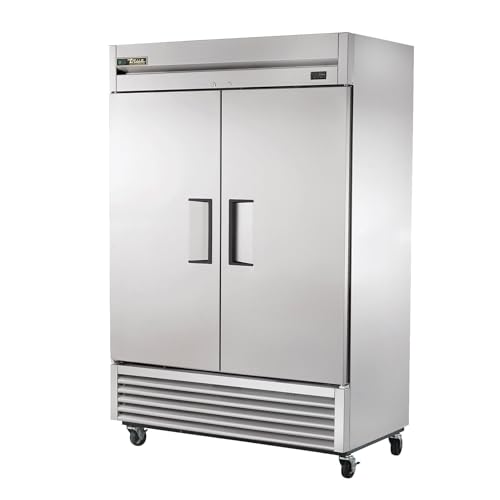
Designed using the highest quality materials and components to provide the user with colder product temperatures, lower utility costs, exceptional food safety and the best value

Designed using the highest quality materials and components to provide the user with colder product temperatures, lower utility costs, exceptional food safety and the best value

TOP MOUNT COMPRESSOR: Top mount compressor design is ideal for dry storage areas where ingredients might be spilled and locations where the floor can become dusty.
Proper Temperature Settings
Setting the right temperature is essential for our compact fridges. To maintain ideal cooling, we should set our fridge between 35°F and 38°F (1.7°C to 3.3°C). These proper temperature settings help reduce condensation buildup, especially in high humidity. If we go too low, frost formation can increase as cold surfaces attract moisture from the air. It’s vital for us to regularly check temperature settings, adjusting them as necessary to prevent temperature fluctuations. These fluctuations can let warm air enter, causing further condensation issues. We should also familiarize ourselves with the specific guidelines for our compact fridge model to enhance performance and guarantee product integrity. Additionally, understanding the energy-efficient design of our mini fridge can further optimize its performance and minimize energy consumption. Let’s keep our food fresh and our fridges frost-free!
Strategies for Effective Drainage
To guarantee our compact fridge operates efficiently, we must address drainage effectively. Most models include a drainage mechanism that channels condensation into a drainage tray near the compressor. We should regularly check the drainage tray for capacity, cleaning it as needed to maintain proper drainage and prevent overflow. If we notice moisture accumulation on the floor, it might indicate a blocked drain hole or that the seal needs checking. Additionally, we may need to perform manual defrosting to prevent excessive frost build-up, especially in models lacking an automatic defrost cycle. Familiarizing ourselves with the drain hole’s location helps us quickly identify and resolve potential moisture problems, assuring our compact fridge stays in prime working condition. It’s essential to recognize that many mini fridges are designed to operate quietly, typically rated around 38 decibels, helping them fit seamlessly into our living spaces.
When to Seek Professional Assistance
After tackling drainage issues, our next focus should be knowing when to call in the pros. If we find condensation and frost persisting, despite adjusting our mini fridge settings, it’s time to contact a professional appliance repair service. Unresolved drainage issues, like water pooling on the floor, signal a potential malfunction that requires expert inspection. Additionally, if we’re facing consistent manual defrosting or poor airflow, we may need an HVAC specialist to address humidity problems. If we notice significant frost build-up affecting cooling efficiency, checking with the appliance manufacturer for warranty options is wise. Finally, unusual noises, smells, or irregular cooling patterns shouldn’t be ignored; these may indicate serious issues needing professional assistance. Consider how compacting designs can impact cooling performance, as smaller units might not handle moisture as effectively.
Frequently Asked Questions
How to Stop Condensation in a Mini Fridge?
Oh, we thought condensation was an invigorating kitchen feature! To stop it, let’s focus on mini fridge ventilation, moisture reduction, and door sealing. Regular gasket inspections and ideal temperature settings can work wonders for airflow circulation.
How to Stop a Mini Fridge From Frosting?
To stop our mini fridge from frosting, we need to guarantee door seals are tight, maintain proper airflow, use suitable temperature settings, adjust humidity, practice regular cleaning, and apply effective defrosting techniques for peak performance.
How to Fix Too Much Condensation in a Fridge?
To fix too much condensation in our fridge, we need to guarantee door seals are tight, adjust temperatures, improve air circulation, check for moisture sources, maintain drainage, and practice proper food storage and fridge maintenance.
Why Is My Refrigerator Freezing and Condensation?
When our refrigerator becomes a winter wonderland, it’s often due to thermostat settings or door seals failing. We need to maintain air circulation and humidity levels for peak cooling efficiency and prevent frozen food disasters.


