As an Amazon Associate, we earn from qualifying purchases. Some links on this site are affiliate links at no extra cost to you. Our recommendations are based on thorough research and editorial judgment.


Beverage-Specific Cooling: Ideal Temps for Sodas, Beer, and Wine

To enjoy our beverages at their best, we should aim for specific temperatures. Sodas are best served between 3.3˚C and 5.6˚C (38˚F to 42˚F) for that invigorating crunch. Lighter beers thrive at 3.3˚C to 7.2˚C (38˚F to 45˚F), while ales are better at 7.2˚C to 12.8˚C (45˚F to 55˚F). For wines, red should sit at 16˚C to 18˚C (60.8˚F to 64.4˚F), white at 10˚C to 12˚C (50˚F to 53.6˚F), and sparkling at 8˚C to 10˚C (46.4˚F to 50˚F). Let’s explore common cooling mistakes and maintenance tips next.
Key Takeaways
- Sodas are best served between 3.3˚C and 5.6˚C (38˚F to 42˚F) to enhance taste.
- Lighter beers should be chilled to 3.3˚C to 10˚C (38˚F to 50˚F) for optimal enjoyment.
- Ales and dark lagers are ideal at 7.2˚C to 12.8˚C (45˚F to 55˚F) for full flavor.
- Red wines should be served between 16˚C and 18˚C (60.8˚F to 64.4˚F) for rich flavors.
- White wines perform best at 10˚C to 12˚C (50˚F to 53.6˚F) while champagne is ideal at 8˚C to 10˚C (46.4˚F to 50˚F).
Understanding Beverage Temperature Preferences
When it comes to enjoying our favorite beverages, temperature plays an essential role. For example, sodas like Coca-Cola and Pepsi taste best between 3.3˚C (38˚F) and 5.6˚C (42˚F). Beer varies; lighter varieties need 7˚C to 10˚C (44.6˚F to 50˚F), while stronger ales shine at 7˚C to 13˚C (44.6˚F to 55˚F). Red wine is ideal at 16˚C to 18˚C (60.8˚F to 64.4˚F), while white wines do better between 10˚C and 12˚C (50˚F to 53.6˚F). For fizz, serve champagne at 8˚C to 10˚C (46.4˚F to 50˚F) for that perfect effervescence. Keeping our beverages at their ideal temperatures drastically improves our overall drinking experience and satisfaction, much like how motor power in electric mini choppers influences their efficiency and performance.
Ideal Serving Temperatures for Sodas

To truly savor the crisp, revitalizing taste of our favorite sodas, we need to pay close attention to their serving temperatures. Coca-Cola is best served at 3.3˚C (38˚F) to maximize its invigorating qualities. Pepsi, on the other hand, tastes ideally at around 5.6˚C (42˚F), which enhances its flavor profile. Soft drinks should generally be stored at temperature settings between 4.4˚C and 5.6˚C (40˚F to 42˚F) to maintain carbonation and flavor. It’s essential to keep sodas at a consistent temperature for peak drinking, ensuring they remain fizzy and enjoyable. For non-alcoholic juices like watermelon, the best temperature for juices is between 8˚C and 10˚C (46.4˚F-50˚F) for peak enjoyment. Additionally, using a mini fridge with energy-efficient operation ensures that these beverages are always kept at the ideal temperatures without high electricity costs.
Optimal Temperatures for Various Beers

Sodas might be served cold, but beers have a broader range of ideal temperatures depending on their type. For lighter beers like pale lagers, we should chill them between 38°F and 45°F (3.3°C to 7.2°C). This enhances their invigorating characteristics. Ales, stouts, and dark lagers benefit from slightly warmer temperatures, ideally served at 45°F to 55°F (7.2°C to 12.8°C). For strong beers with higher alcohol content, we recommend a serving temperature of 50°F to 55°F (10°C to 12.8°C). Maintaining a consistent storage temperature between 44°F and 50°F (6.7°C to 10°C) is vital for preserving beer quality. Fluctuating temperatures can lead to loss of carbonation and off-flavors, so a stable cooler setup is essential. Utilizing a mini beer fridge can help achieve and maintain these ideal temperatures effectively.
Perfect Serving Conditions for Wines

Serving wine at the right temperature can greatly enhance its taste and aroma. For red wines, aim for a perfect temperature between 16˚C-18˚C (60.8˚F-64.4˚F). This range boosts the aroma and flavor profile markedly. In contrast, white wines are best served chilled at 10˚C-12˚C (50˚F-53.6˚F) for ideal enjoyment. If you’re enjoying champagne or sparkling wines, keep them at 8˚C-10˚C (46.4˚F-50˚F) to maintain that delightful fizz. It’s vital to use temperature control methods, whether a wine fridge or cooler, to maintain temperature consistency. Additionally, choosing a mini fridge with adjustable settings can help you achieve and maintain the ideal serving temperatures. Proper storage is important too; store red wines at 50°-60°F (10°-15.6°C) and white wines at 45°-50°F (7.2°-10°C). These practices will help preserve quality and enhance your wine experience.
Recommended Products
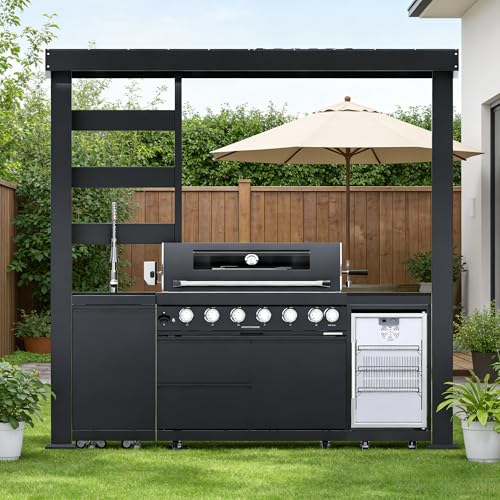
GRILLING PERFORMANCE: This outdoor kitchen features a 43-inch gas grill with 6 tubular stainless steel burners and an infrared rear burner that produce 85000 BTU of heat output. The 8mm stainless steel cooking grids provide a generous cooking area of 38 by 18 inches (684 square inches total). A 120V 4-watt heavy duty electric motor rotisserie kit is included and can hold up to 25 lbs

108000 BTU Total Power | 4+1 Burner Grill + 35000 BTU Pizza Oven: 4 high‑efficiency stainless steel main burners + 1 infrared rear burner (72000 BTU total) deliver steady heat; 35000 BTU pizza oven bakes fresh pies fast. 485 sq.in grill area + 385 sq.in pizza area easily feeds large groups—ideal for backyard parties and patio entertaining

Ultra-Fast Cooling: This Ca'Lefort beverage refrigerator and cooler is equipped with an advanced compressor and a 360° air circulation cooling system, It offers precise temperature control ranging from 34°F to 54°F, ensuring rapid freshness preservation without frost formation. The beverage refrigerator features a temperature memory function,when power is restored after a power outage,the mini cooler will automatically return to preset temperature.
The Impact of Temperature on Beverage Quality

When we think about beverages, temperature plays an important role in the overall experience. The best temperature can enhance flavors and preserve carbonation. For instance, Coca-Cola is best served at around 3.3˚C (38˚F), making it crunchy and invigorating. Beer flavors shine at 7˚C-10˚C (44.6˚F-50˚F) for lighter options, while stronger varieties benefit from 10˚C-13˚C (50˚F-55˚F). Red wines showcase their ideal aroma between 16˚C-18˚C (60.8˚F-64.4˚F), while white wines enjoy cooler temps of 10˚C-12˚C (50˚F-53.6˚F). Champagne, served at 8˚C-10˚C (46.4˚F-50˚F), keeps its effervescence intact. Temperature inconsistencies can lead to lost quality, affecting your drinking experience. It’s vital to get it just right for the best outcome. Additionally, the right temperature control features in your mini fridge can ensure that beverages are stored at their optimal temperatures.
Storage Guidelines for Sodas, Beers, and Wines
How do we guarantee our favorite beverages stay fresh and enjoyable? For sodas, we should store them at an ideal temperature of 40°F to 42°F. This guarantees a fizzy, flavorful experience. Beers thrive in the temperature range of 44°F to 50°F, with lighter brews best kept at 38°F to 45°F. Red wines require a warmer environment, ideally between 50°F and 60°F, while whites prefer the cooler side at 45°F to 50°F. Champagne, with its lively bubbles, should be stored at 46°F to 50°F. Using beverage coolers can help maintain proper temperature management, preventing spoilage or carbonation loss. Remember, storing our drinks at cooler temperatures not only enhances flavor but also protects quality. These coolers often feature precise temperature control, ensuring that every sip is perfectly chilled.
Recommended Products

ISLAND FEATURES - The MAi805-D90BEV Mont Alpi 805 deluxe series 94" x 88" L-shaped premium outdoor kitchen island with 44" gas grill arrives almost fully assembled (modular attachment required) and is made from 304 stainless steel. The 90 degree corner (MA90C) cart comes in a flat pack and requires assembly. The beverage center refrigerator module comes standard with this model together with the faucet and sink. You also get large soft closing drawers right underneath your grill for extra storage and easy access, plus a fully covered back with vents. Your outdoor kitchen also comes with gliding castor wheels for smooth and easy-to-maneuver movement and increased stability.

ISLAND FEATURES - The MAi805-BSSBEV Mont Alpi 805 black series 132" premium outdoor kitchen island with grill arrives almost fully assembled (modular attachment required) and is made from 304 stainless steel. This material blends seamlessly to the white granite countertop surfaces on each side of the 44" stainless steel center grill with storage cabinets directly below. The glass door refrigerator comes standard with this model. You also get large soft closing drawers right underneath your grill for extra storage and easy access, plus a fully covered back with vents. Your outdoor kitchen also comes with gliding castor wheels for smooth and easy-to-maneuver movement and increased stability.

Powerful Cooling Performance: Built with dual 25 HP Panasonic compressors, this air cooled water chiller delivers a 60,480 Kcal/h cooling capacity with easy maintenance and long service life. Note: Designed for water cooling, not air conditioning
Common Mistakes in Beverage Cooling
Maintaining the right temperature for our beverages is only half the battle; the way we cool them matters just as much. One common mistake is chilling white wine too cold, below 10°C (50°F), which can mask its flavors and aromas. For beer, forgetting the ideal temperature of 7°C-10°C (44.6°F-50°F) can dull enjoyable tastes, especially in lighter styles. When it comes to carbonated beverages, serving soda above 5.6°C (42°F) can hurt both taste and fizz. Over-chilling spirits like whiskey at temperatures lower than 15°C (59°F) can mute important flavor notes. Finally, red wine should be served between 16°C-18°C (60.8°F-64.4°F) to balance alcohol content and complexity. Let’s be mindful about these cooling practices for our drinking enjoyment. Additionally, just as in cooking, understanding the versatility of use in beverage temperature can significantly enhance our overall drinking experience.
Tips for Maintaining Consistent Temperatures
To keep our beverages at their ideal temperatures, we need to follow some straightforward tips. First, we should monitor the internal temperature regularly. A thermometer helps guarantee beverages stay within their ideal ranges. For crisp beers, set the desired temperature between 7°C-10°C. Wines should be stored at 10°C-12°C for whites and 16°C-18°C for reds. Limiting door openings on coolers keeps that crunchy cold air inside. It’s also wise to place coolers away from direct sunlight to maintain consistent temperatures. Regular maintenance is key too; clean condenser coils and check for airflow obstructions. If possible, consider using multiple temperature zones to keep everything perfectly chilled, as each beverage is best served at its specific temperature. Utilizing models with adjustable temperature settings can significantly enhance the chilling experience for different types of beverages.
Factors Influencing Beverage Temperature Requirements
Every beverage type has unique temperature requirements that impact its flavor and enjoyment. For sodas, the best temperature to set is between 35°F and 45°F, with Coca-Cola tasting best at 38°F and Pepsi at 42°F. Beer also requires different temperatures; lighter beers shine at 38°F to 45°F, while darker ales perform well at 45°F to 55°F for ideal flavor. When it comes to wine, red wines need 60°F to 64°F to fully showcase their aromas. In contrast, white wines should be perfectly chilled at 45°F to 50°F for the best experience. Remember, temperature fluctuations can compromise the quality of both alcoholic beverages and sodas, so consistent cooling is essential. Additionally, utilizing energy-efficient appliances such as 7 cu ft microwaves can help maintain stable temperatures without excessive energy consumption.
Best Practices for Using Beverage Coolers
When selecting the right beverage cooler, it’s essential to maximize its performance for the variety of drinks we enjoy. We should set the right temperature for each drink. For sodas and light beers, keep the cooler between 35°F and 38°F, guaranteeing that fizzy drinks stay invigorating. Red wines need a warmer temperature, ideally between 50°F and 60°F, while white wines fit best at 45°F to 50°F. If we have a dual zone cooler, we can store various beverages efficiently. Let’s avoid overcrowding the cooler to guarantee proper airflow and temperature consistency. Regularly checking and cleaning the condenser coils helps maintain efficiency. Using a thermometer can help us keep track of the ideal temperature for all our favorite drinks. Additionally, choosing energy-efficient models can enhance performance while also conserving power.
Recommended Products

PREMIUM MATERIALS - The Kenmore wine fridge is constructed with high-quality materials, including "wine view" beechwood bottle racks. These racks not only provide sturdy & stylish storage for the wine bottles but also enhance the overall aesthetic of the cooler. The use of premium materials ensures durability & a refined appearance that complements any setting.

COMPLETE OUTDOOR KITCHEN - Create a full backyard cooking station with a 98-inch outdoor kitchen island, 4-burner propane gas grill, outdoor beverage refrigerator, rotisserie kit, stainless steel countertop and storage cabinets for patio meals, poolside parties and weekend cookouts

Complete refrigeration storage solution with the dual-zone, 46 bottle capacity wine cellar (model ALWC532) and two-drawer all-freezer (model SCFF532D)
Frequently Asked Questions
What Temperature Should a Beverage Cooler Be at for Soda?
For best soda serving, we should cool our beverages to around 35°F to 38°F. This temperature enhances ideal carbonation and flavor. Using consistent cooling methods guarantees we enjoy invigorating drinks every time, so let’s keep that in mind!
What Temperature Should a Wine and Beer Fridge Be At?
For ideal wine storage and beer preservation, maintaining our fridge settings around 55°F (12.8°C) accommodates both temperature ranges. This guarantees our beverage enjoyment remains high, enhancing flavors and keeping everything perfectly chilled.
What Is the 3:30-300 Rule for Beer?
The 3:30-300 rule for beer suggests we store it cold, serve it chilled at ideal brew temperatures, and enjoy quickly—within three minutes for freshness, ensuring the best flavor preservation with every sip.
What Is the Ideal Temperature for a Beer Cooler?
Let’s aim for a beer cooler temperature between 38°F and 55°F, depending on beer styles. This balance enhances flavor, pairs well with food, and showcases craft breweries’ unique offerings through perfect serving methods.


