As an Amazon Associate, we earn from qualifying purchases. Some links on this site are affiliate links at no extra cost to you. Our recommendations are based on thorough research and editorial judgment.


How Ambient Temperature Affects Ice Production and Cycle Times

Ambient temperature affects ice production and cycle times considerably. As temperatures rise above 90°F (32°C), ice output decreases by approximately 2.7% for each additional degree. High temperatures also extend freezing cycles, adding 15 to 20 minutes. At 110°F (43°C), ice makers could yield up to 31% fewer cycles. To maintain efficiency, we should keep ice makers in well-ventilated areas, clean condenser coils regularly, and check maintenance every 300 hours. There’s more to explore on optimizing your ice production.
Key Takeaways
- Ambient temperatures above 90°F (32°C) significantly increase the workload on compressors, reducing ice production efficiency by about 2.7% per additional degree.
- High temperatures extend ice freezing and harvest cycles by 15 to 20 minutes, resulting in fewer cycles overall.
- Ice makers can experience up to 31% fewer cycles at 110°F (43°C) due to diminished temperature differentials affecting heat dissipation.
- The efficiency of compressors decreases with higher temperatures, potentially leading to increased wear and diminished lifespan.
- Regular maintenance, including condenser coil cleaning, is essential to minimize mechanical failures and maintain efficiency in warmer conditions.
The Relationship Between Ambient Temperature and Ice Production
When it comes to ice production, we often find that ambient temperature plays an essential role. Higher ambient temperatures, especially above 90°F or 32°C, force compressors to work 30% harder, extending freezing cycles. Each 1°F rise in condenser temperature decreases output by about 2.7%. This means a warmer environment creates challenges for heat transfer, directly affecting ice production. We notice that summer months yield lower ice output compared to winter due to these factors. It’s important to maintain ambient temperatures between 10°C (50°F) and 38°C (100.4°F) for ideal performance. Staying within this range can greatly enhance our ice production capacity while reducing stress on the unit, leading to more crispy, invigorating ice for our beverages. Models with energy-efficient ratings may also help mitigate the effects of high ambient temperatures on ice production.
Optimal Operating Conditions for Ice Makers

To achieve ideal ice production, we must prioritize specific operating conditions for our ice makers. The best operating conditions occur when ambient temperatures stay between 10°C (50°F) and 38°C (100.4°F). Maintaining this range boosts our ice production capacity. Once temperatures exceed 32°C (90°F), efficiency drops. Ice output can decrease by around 2.7% for each 1°F rise in condenser temperature over 95°F (35°C). This strain makes our compressors work 30% harder, leading to increased energy consumption. Daily and seasonal temperature changes can further affect production levels. Typically, we see lower output during warmer months and peak daytime temperatures, while cooler evenings offer improved ice production. By monitoring these conditions, we can enhance our ice-making operations. Additionally, ice makers that produce high volumes are better suited for maintaining efficiency even in fluctuating temperatures.
Recommended Products
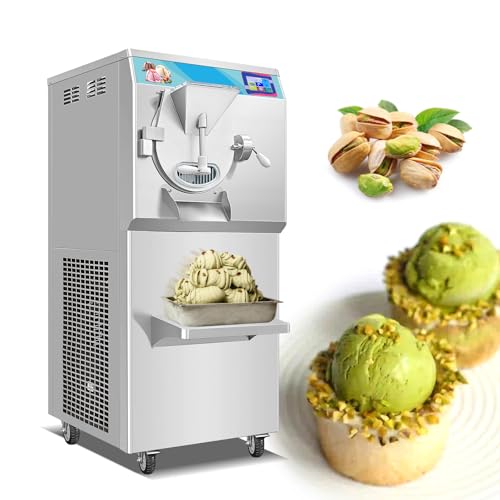
【Specification】Heavy duty commercial hard ice cream machine, Italian water ice machine with Stainless Steel Strong Door. ETL certificate, 220V 60Hz Power:5.8KW. Single phase. Dimensions: 25''x34.25''x56.5''(635x870x1435mm). Plywood case packing. It can make Italian water ice, sorbettos, gelato or hard ice cream for commercial use.

Industrial Grade Ice |2000LBS/24H Capacity: Well-known-brand genuine compressor: 5-15 minute cycle (50% faster than standard model); Cost Savings: Eliminate daily ice cube purchases in bars/restaurants
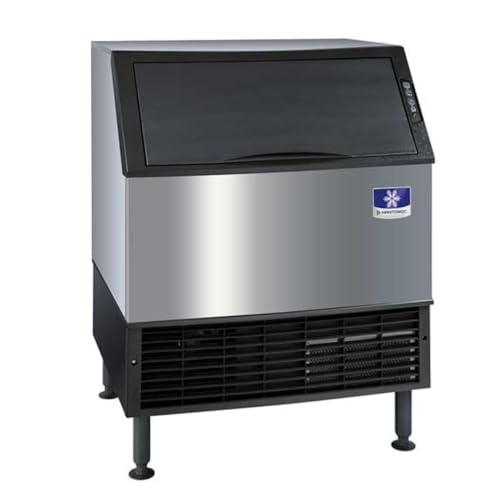
Manitowoc Commercial Undercounter Dice Ice Maker UDF0310A: Outstanding Production Capacity - Capable of producing up to 286 lbs of ice per day at optimal conditions (70°F/50°F) and 233 lbs AHRI certified at higher temperatures (90°F/70°F), ensuring a steady and abundant ice supply.
How High Temperatures Affect Ice Harvest Cycles

High ambient temperatures noticeably affect ice harvest cycles in ice makers, leading to operational challenges. When temperatures exceed 90°F (32°C), freezing and harvest cycles extend considerably, reducing ice production efficiency. We can expect an additional 15 to 20 minutes added to each cycle. Every 1°F rise in condenser temperature leads to about a 2.7% decrease in ice output, which illustrates how heat impacts our production rates. In addition, at 110°F (43°C), ice makers may yield up to 31% fewer cycles. The diminished temperature differential in refrigerant lines hampers heat dissipation, straining the system. It’s essential to have robust systems in place, as these factors greatly influence the performance of our ice makers and the quality of our crunchy ice. Understanding the ice production capacity helps in selecting suitable units for fluctuating temperatures.
Recommended Products


High Production Capacity: Produces up to 315 pounds of nugget-style ice every 24 hours at 70°F/50°F, and 222 pounds at 90°F/70°F, ensuring a steady supply for various needs.

MAXIMIZE ICE PRODUCTION: This air-cooled commercial ice maker machine is capable of producing up to 470 lbs. of ice in 24 hours, ensuring consistent supply even during peak demands in your business.
The Role of Compressors in Ice Making Efficiency

As temperatures climb, the efficiency of compressors decreases, which directly impacts ice production. High ambient temperatures can force compressors to run an additional 15 to 20 minutes per cycle. This leads to longer ice production times and increased energy consumption. Additionally, the discharge pressure in compressors can rise by 18 to 22 psi, stressing the system. This stress may shorten the compressor’s lifespan. To counteract these factors, we can utilize industrial-grade scroll compressors, which enhance efficiency by 18% in extreme heat. Variable-speed compressors are another great option; they adapt to varying loads. This feature decreases cycling events and operational stress, resulting in improved overall performance for efficient ice production, even when temperatures really start to heat up. Proper maintenance is also crucial, as regular upkeep can ensure optimal performance of the ice maker despite fluctuating conditions.
Thermal Stress and Its Impact on Refrigeration Systems
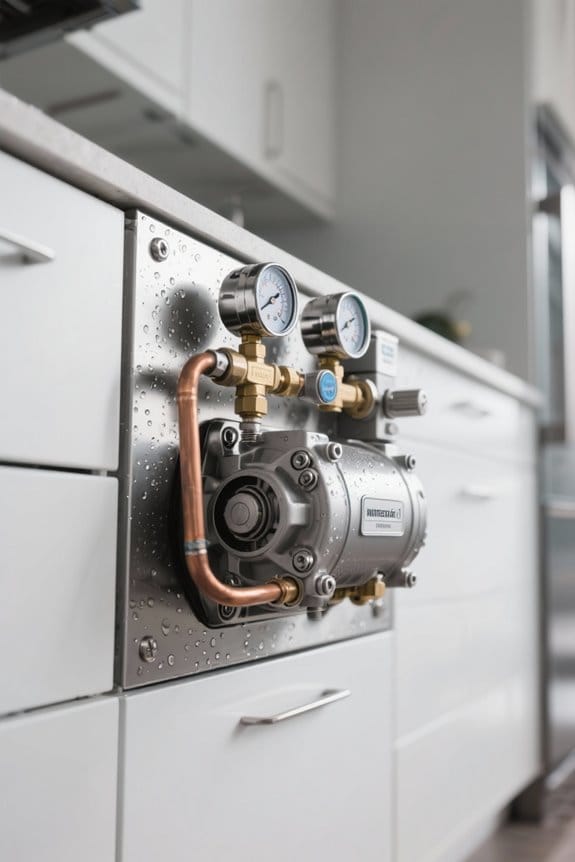
Thermal stress greatly impacts refrigeration systems, especially during hotter months. When ambient temperatures exceed 90°F (32°C), ice machines can see a 30% increase in workload. This strains the refrigeration system, causing compressors to run 15 to 20 minutes longer per cycle. Energy consumption rises, which isn’t just costly; it puts extra stress on our units. Furthermore, with temperatures surpassing 95°F (35°C), the risk of bearing failure triples. Increased discharge pressure in compressors can range from 18 to 22 psi, leading to potential mechanical breakdowns. Without regular maintenance, we face 12-15% more servicing needs. Keeping an eye on these factors can help us maintain efficiency and extend the life of our ice machines. Additionally, energy-efficient options can help mitigate some of these effects by reducing overall power consumption.
Solutions for Enhanced Efficiency in High Heat
When temperatures rise, it’s crucial for us to focus on enhancing the efficiency of our ice production systems. Utilizing industrial-grade scroll compressors can boost efficiency by 18% in high ambient temperatures. Variable-speed compressors offer a 22% increase in daily ice yield at 110°F, reducing cycling stress. We should also consider microchannel condensers, as they provide 40% more surface area for heat transfer. Employing hybrid cooling techniques, like water mist pre-cooling, lowers intake temperatures by 5.4°C, enhancing overall production efficiency. Regular maintenance, including biweekly coil cleaning and monthly water filter replacements, helps prevent 32% of mechanical failures in heat stress. Furthermore, ensuring that self-cleaning ice makers are regularly maintained contributes to consistent performance in extreme temperatures. Focusing on these strategies, we can guarantee our ice machines perform reliably, even during scorching days.
Recommended Products

MAXIMIZE STORAGE & ORGANIZATION – 72 cu. ft. of flexible space with 9 adjustable shelves let you easily organize, store, and access high-volume ingredients. Interior lighting shows contents clearly and features a separate light switch.
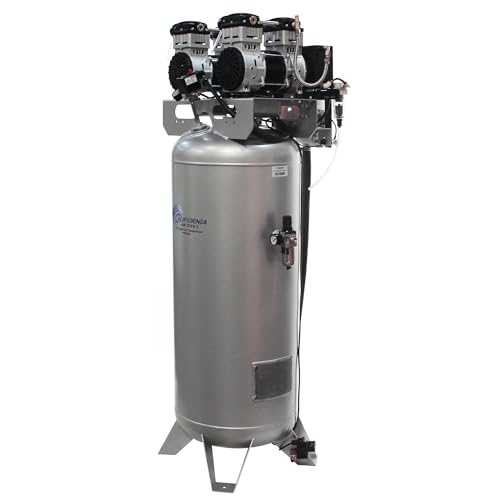
ULTRA QUIET PERFORMANCE: The California Air Tools 4.0 HP Ultra Quiet & Oil-Free Air Compressor operates at only 75 decibels, making it one of the quietest air compressors in the industry. Perfect for noise-sensitive environments. Airflow 12.80 CFM @ 40 PSI and 10.60 CFM @ 90 PSI.

Powerful Cooling Performance: Built with dual 12.3 HP Panasonic compressors, this air cooled water chiller delivers a 30,240 Kcal/h cooling capacity with easy maintenance and long service life. Note: Designed for water cooling, not air conditioning.
Improving Condenser Performance in Hot Environments
To maintain ideal ice production in hot environments, improving condenser performance is essential. Condensers face challenges at temperatures above 95°F (35°C). This can cause pressure spikes, decreasing efficiency by about 2.7% for each additional degree. We can enhance heat transfer by implementing microchannel condensers, which provide 40% more surface area. This extra area is important for best performance in extreme heat. Alongside this, hybrid cooling techniques like water mist pre-cooling can lower intake temperatures by 5.4°C. Intelligent fan systems help improve airflow, maintaining stable head pressures in high temperatures. Finally, regular maintenance, including biweekly cleaning to remove dust buildup, is critical. Dust can cut cooling efficiency by 18–25%, hurting ice production when we need it most. Understanding ice production capabilities across varying conditions aids in optimizing machine efficiency.
Recommended Products

🍧 𝑷𝒐𝒘𝒆𝒓𝒇𝒖𝒍 𝑪𝒐𝒐𝒍𝒊𝒏𝒈 & 𝑹𝒂𝒑𝒊𝒅 𝑭𝒓𝒐𝒔𝒕 – Equipped with a high-efficiency 1200W compressor and copper...
Maintenance Strategies for Ice Makers in Warm Conditions
Keeping ice makers running smoothly in warm conditions can be challenging, yet it’s vital for maintaining output. We recommend regular maintenance strategies to guarantee longevity and efficiency. Start with biweekly cleaning of condenser coils, which can prevent up to 32% of mechanical failures. Check and replace water filters monthly to maintain peak water quality and flow. Implement a cleaning schedule every 300 operating hours to keep ice production maximized, even in heat reaching 110°F. To maintain operational integrity, perform quarterly pressure checks. Finally, system flushing is essential for preventing mineral deposits that cause blockages. These strategies help guarantee your ice remains crunchy and your production remains consistent, even when water temperature rises. Additionally, ensuring energy-efficient designs helps reduce overall travel costs while maintaining high output during warm weather.
The Effects of Low Ambient Temperatures on Ice Production
Low ambient temperatures can pose serious challenges for ice production in our machines. When the temperature drops below the manufacturer’s specifications, our ice makers struggle to start up due to the refrigerant cooling too much. This can lead to freezing or icing within the system, blocking proper flow and affecting ice production. In colder conditions, we also risk internal water lines or evaporators freezing entirely, which can cause ruptures and damage. Consequently, we may experience longer harvest times, extending the wait for fresh, crunchy ice to be ready. Ideally, maintaining ambient temperatures around 70°F (21°C) and water temperatures at 50°F (10°C) is essential for best performance and efficient ice production in our systems. Additionally, low temperatures can hinder the rapid ice production capabilities that many chewable ice makers are designed to deliver.
Best Practices for Ice Maker Placement and Ventilation
When we think about where to place our ice makers, we should consider the environment carefully. Ideally, we place our ice maker in well-ventilated areas, away from heat sources like ovens or dishwashers. This helps with cooling efficiency and prevents issues from high ambient temperatures. We need to keep the installation spot’s temperature between 50°F (10°C) and 100.4°F (38°C) for optimal ice production. To guarantee proper airflow, maintaining 6-12 inches of clearance around the unit is essential. We should also regularly clean the condenser coils to avoid dust buildup, which affects cooling. Monitoring the ambient temperature is crucial, as exceeding 90°F (32°C) can reduce ice production rates considerably due to higher energy demands on the compressor. Using appropriate ice maker descaling solutions helps maintain machine performance, ensuring it operates efficiently even in warmer conditions.
Recommended Products

ETL certificate and passed UL, NSF testing, 22" double round pans with 10 pcs small refrigerated small tanks , auto defrost, smart AI temperature control, food grade stainless steel, machine dimensions: LxDxH: 70.08''x24.8''x34.06'' (178x63x86.5cm)
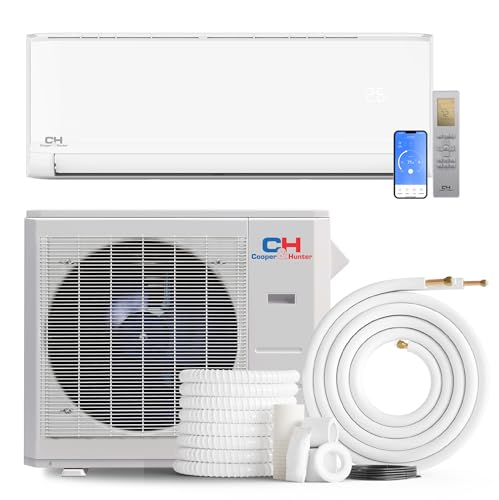
Cooper & Hunter Single Zone 24,000 BTU (2 Ton) Wall-Mount Ductless Mini Split Air Conditioner With Heat Pump, 230V, 18.9 SEER. Smart Kit included to control your system from anywhere using your smartphone and the app. UL Listed, AHRI Certified.

Cooper & Hunter 18,000 BTU Multi Zone Outdoor Condenser (SKU: CH-18MES-230VO) 22.9 SEER2, 230V, with (2) Wall Mount Air Handlers 9,000 BTU + 9,000 BTU (SKU: CH-09MOLVWM-230VI)
Practical Tips for Maintaining Consistent Ice Output
To maintain consistent ice output, we should focus on several practical strategies. First, we need to keep ambient temperatures between 10°C (50°F) and 38°C (100.4°F). Next, regular cleaning of the condenser coils boosts efficiency, helping us achieve up to 25% better performance. Implementing an insulated water supply line can keep incoming water temperatures lower, enhancing ice production, especially during hotter days. Also, utilizing pre-chilled water speeds up the refrigeration cycle, allowing for faster ice production. We should schedule maintenance checks every 300 operating hours to guarantee our ice maker operates at 97% efficiency. These steps can help us enjoy crunchy ice and fizzy drinks without interruptions. Maintaining these practices allows us to enjoy ice for longer periods.
Frequently Asked Questions
What Are the Effects of Ambient Temperature?
Ambient temperature greatly impacts our ice production and energy consumption. When temperatures rise, we notice longer cycles and decreased efficiency, which ultimately leads to higher energy use and potentially shorter equipment lifespan. Let’s keep our ice makers cool!
How Does Temperature Affect Ice?
Isn’t it fascinating how temperature’s our silent partner in ice formation? We must guarantee proper temperature regulation; even slight shifts can affect the freezing point, impacting both the quality and quantity of ice we produce.
Why Does My Ice Maker Not Work in Hot Weather?
Our ice maker struggles in hot weather due to production issues like longer freezing cycles and increased energy use. It’s essential to keep it cool and well-ventilated for peak performance in higher temperatures.
What Triggers an Ice Maker to Cycle?
Did you know ice production mechanisms can drop by 2.7% for every degree over ideal levels? Our ice maker cycles based on temperature sensitivity effects, and cycle frequency factors determine when more ice is needed.


