As an Amazon Associate, we earn from qualifying purchases. Some links on this site are affiliate links at no extra cost to you. Our recommendations are based on thorough research and editorial judgment.


Understanding Warranty Coverage for Countertop Appliances

Understanding warranty coverage for countertop appliances is essential. Most standard warranties don’t cover them, like blenders and toasters. Specialty items, such as waffle makers, are typically excluded. To protect your investment, carefully review service agreements. Follow manufacturer guidelines for maintenance; it helps maintain warranty validity. Keep service records, as they support claims. If your appliance breaks down, file a claim quickly through the Homeowner Portal. Keep checking for more specifics on claims and warranty options.
Key Takeaways
- Standard home warranties typically exclude countertop appliances like blenders and coffee makers from coverage.
- Specialty items such as waffle makers and electric can openers are frequently not covered under warranty plans.
- Water filtration systems and softeners generally lack protection under home warranties, highlighting common exclusions.
- Regular maintenance and adherence to manufacturer guidelines are essential for maintaining warranty validity.
- Always review service agreements carefully to understand specific exclusions related to countertop appliance coverage.
Overview of Home Appliance Warranties
When it comes to home appliance warranties, understanding their scope is critical for every homeowner. These warranties provide protection mainly for major household appliances like refrigerators and ovens, covering mechanical failures due to normal wear and tear. They often offer better coverage than a manufacturer’s warranty. Most warranties don’t require maintenance records, making claims simpler. However, homeowners need to review the coverage details closely to identify any exclusions, which can affect our claims. The average service fee ranges from $70 to $130, helping keep out-of-pocket repair and replacement costs manageable. By knowing what’s covered, we can make informed decisions that protect our investments and guarantee our home runs smoothly, minimizing unexpected expenses in the long run. Additionally, some warranties may include coverage for precision control features, essential for high-tech appliances like electric pour-over coffee makers.
What Types of Appliances Are Typically Covered

Coverage for countertop appliances can be confusing for homeowners. Most of us know that a typical home warranty coverage focuses on major appliances like refrigerators and dishwashers. Unfortunately, countertop appliances such as panini makers, blenders, and juicers are often left out. Even less common appliances like popcorn makers may not be included in the appliance warranty plan. When we review service agreements, we often find significant exclusions regarding these smaller appliances. This is primarily due to their lower average repair costs and the coverage limits imposed by home warranty companies. To avoid surprises, we should always check the specific policy details to understand which covered appliances are included. Awareness is key to ensuring we have the right protection. Additionally, many popular blenders, like the Nutribullet Personal Blender, may offer strong motor wattages that enhance their efficiency but may not be covered under standard warranty plans.
Recommended Products

All-Weather Durability: Pro-Tect tested and proven to withstand up to 2,600 pounds or 30 inches of snow load, and winds up to 100 mph* with a full-coverage galvanized steel roof (must be anchored as specified in the Backyard Discovery instruction manual)
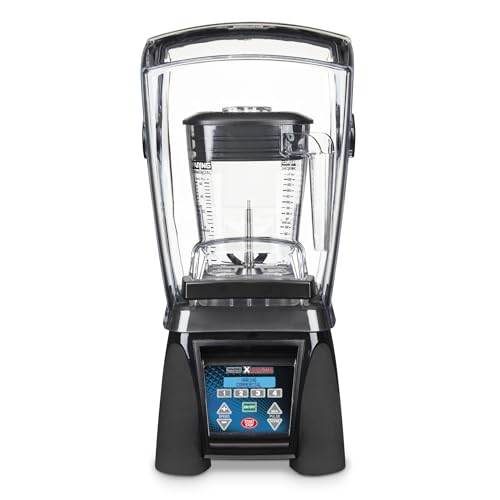
Motor: Heavy-duty 3.5 Horsepower commercial blender motor delivers 45,000 RPM for crushing ice and frozen ingredients with professional-grade power for high-volume commercial kitchens

Luna Planetary Countertop mixer is an elite machine for the gourmet chef; 11 mixing speeds, front mounted variable speed control dial, tilt-back head release and lift lever, removable clear view splash guard with Feed Chute
Exclusions in Countertop Appliance Coverage

Though we often rely on countertop appliances for everyday tasks, it’s important to highlight that many of them aren’t covered by standard home warranties. Most home warranty plans exclude specialty items like panini makers, waffle makers, and juicers. Smaller appliances, like blenders and food processors, often fall out of home warranty coverage too. Even common items like water filtration systems, softeners, and composters typically aren’t protected. We must also remember that miscellaneous appliances, like vacuum sealers, popcorn makers, and electric can openers, usually don’t qualify for coverage agreements. To know what’s excluded in our protection plan, reviewing the service agreement is essential. It’ll outline specific exclusions related to countertop appliances, helping us avoid unexpected appliance repairs or costs. Additionally, it’s worth noting that appliances with compressor cooling systems, which are commonly used in beverage refrigerators, may have different warranty considerations.
The Importance of Maintaining Warranty Validity

To keep our countertop appliances running smoothly and efficiently, we need to prioritize regular maintenance that aligns with warranty requirements. Understanding warranty coverage is key; neglecting upkeep can void warranty validity. We must adhere to the manufacturer’s guidelines outlined in the manual. These guidelines often specify routine maintenance tasks, like cleaning filters or descaling, to keep warranties intact. Documenting our service records is vital as well. Keeping track of maintenance activities helps support claims for repair when needed. If we don’t follow these steps, we risk facing costly repairs down the line. By knowing which actions could lead to lost coverage, we can guarantee our countertop appliances remain in good working order and protected under warranty. Additionally, ensuring the appliance operates within the recommended energy efficiency standards can contribute to longevity and better performance.
How to File a Claim for Covered Appliances

How do we file a claim for our covered appliances when they break down? First, we need to submit our claim immediately upon the appliance breakdown. If the appliance failed before our warranty purchase, we can’t file a claim. We can conveniently claim online through the Homeowner Portal or call for assistance. A small service fee applies during submission, usually less than repair costs. After we submit our claim, an independent service contractor will be assigned to assess our appliance. It’s important to gather documentation about the breakdown, including model numbers, performance metrics, and warranty coverage details. This information will help guarantee a smooth home service experience, whether we’re seeking repair or replacement for our covered appliances. Additionally, maintaining an energy-efficient design can help prevent breakdowns and extend the lifespan of our appliances.
Recommended Products
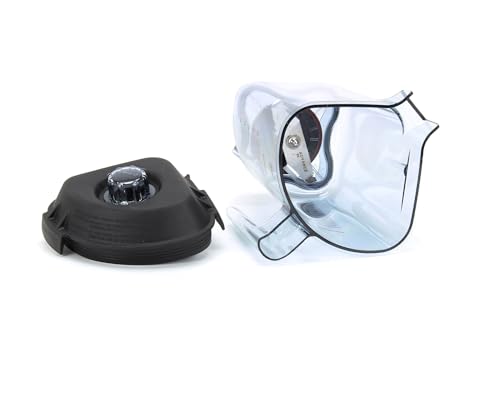
Approved for use in Vitamix Blend Station Advance In-Counter, Blend Station Advance On-Counter, Quiet One 100V In-Counter, Quiet One 100V On-Counter, Quiet One 120V In-Counter, Quiet One 120V On-Counter, Quiet One 200-240V In-Counter, Quiet One 220-240V On-Counter, VM0145
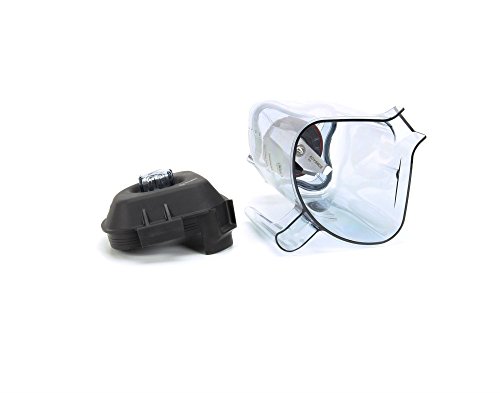
Genuine OEM replacement part

HIGH QUALITY - Repair kit for white quartz, granite, marble, cultured marble, silestone, corian, porcelain, acrylic, stone repairs in minutes
Tips for Choosing the Right Warranty Provider
When searching for the right warranty provider, what factors should we consider? First, let’s research warranty providers to compare their coverage options. Many home warranty plans exclude specialty appliances, which limits our protection. We should also check reviews to gauge customer service quality and satisfaction. A reliable provider can simplify our claims process, so look for online submission capabilities. It’s crucial to make certain the warranty covers all our specific appliances, especially smaller ones like blenders or juicers. In addition, understanding the differences between manufacturer warranties and home warranties is essential. Some manufacturer warranties may have limited coverage periods or exclusions that a home warranty can supplement. Making informed choices helps us avoid unexpected repair costs and guarantees we get the coverage we need. Furthermore, evaluating motor wattage is crucial when considering the durability of high-performance appliances like blenders.
Recommended Products

Dual Mechanism 4D and 3D Massage Chair uses upper and lower massage mechanisms to work on two body zones at the same time, giving the neck and back plus waist and lower body more continuous, zone focused comfort.

WILL THIS ACTUALLY HEAL MY CHRONIC BACK PAIN? ABSOLUTELY: Revolutionary heated back rollers deliver continuous therapeutic warmth WHILE massaging (not just stationary heat), combined with true 4D technology that mimics human therapist hands – finally get the deep, healing relief your muscles desperately need.

Lightning-Fast i3200 Printing – Complete an A3 Print in Just 2 Minutes Powered by an industrial-grade i3200 printhead, the DXZ U14 Pro delivers outstanding speed and precision. Print a full A3-size design in as little as 2 minutes while achieving resolutions up to 720 × 3660 DPI for ultra-sharp text, smooth gradients, and vibrant colors. Produce professional-quality transfers faster and scale your business with confidence.
Frequently Asked Questions
Does a Home Warranty Cover Countertops?
Home warranties typically don’t cover countertops, leaving many unaware of warranty exclusions. We should review the warranty limitations explained, especially concerning countertop appliance coverage, to avoid unexpected countertop repair costs and guarantee proper appliance maintenance.
How Does a Warranty Work on Appliances?
A warranty on appliances typically secures us against repair costs for product defects within coverage limits. Understanding warranty policies and exclusions helps navigate the claims process, ensuring we exercise our consumer rights effectively with customer service assistance.
What Does Dave Ramsey Say About Home Warranty?
Why rely solely on a warranty? Dave Ramsey advises against home warranties, emphasizing cost analysis and awareness of warranty exclusions. Instead, we should focus on proactive appliance protection and regular home repair, ensuring financial peace and consumer rights.
Is It a Good Idea to Get an Extended Warranty on Appliances?
We think getting an extended warranty on appliances can be wise, considering extended coverage benefits and appliance repair advantages. Just make certain you understand the warranty fine print and utilize warranty comparison tips for informed decisions.


