As an Amazon Associate, we earn from qualifying purchases. Some links on this site are affiliate links at no extra cost to you. Our recommendations are based on thorough research and editorial judgment.


Self-Cleaning Modes: What They Do and When to Run Them

When using self-cleaning modes, we can choose between high-temperature, steam, and catalytic cleaning options. High-temperature runs up to 900°F, burning residue to ash. Steam cleaning is set at 250°F and requires some manual effort afterward. Catalytic liners absorb spills for easier maintenance. We should run these cycles every 4 to 6 months, or more often if our oven sees heavy use. Let’s explore more about safety, duration, and tips for keeping our oven clean.
Key Takeaways
- High-temperature self-cleaning burns residue into ash, ideal for heavily soiled ovens, and runs for 1.5 to 3 hours.
- Steam cleaning uses water vapor to loosen grime and is suitable for light soils, typically taking under an hour.
- Catalytic cleaning features special liners that absorb spills, simplifying maintenance between cleaning cycles.
- Run self-cleaning cycles every 4 to 6 months, or more frequently for heavily used ovens to prevent grime buildup.
- Always monitor the self-cleaning process for safety, keeping pets away and referencing manufacturer guidelines.
Types of Self-Cleaning Oven Modes
When it comes to self-cleaning oven modes, we generally have three options to choose from: high-temperature (pyrolytic), steam cleaning, and catalytic cleaning. High-temperature cleaning burns off food residue at up to 900°F, turning it into ash that’s easy to wipe away once cooled. For lighter messes, steam cleaning operates at about 250°F, using water vapor to loosen grime, but this requires manual cleaning afterwards. Catalytic cleaning incorporates special liners that absorb spills during cooking, making oven maintenance simpler. This reduces the need for extensive cleaning cycles and helps maintain oven performance. Additionally, understanding user-friendly features empowers us to choose the right option for our cleaning needs, ensuring our ovens remain in top condition without excessive effort.
Recommended Products

Why does this steam cleaner last so long? With a max 5‑bar steam pressure, it blasts through baked-on grime, grease, and dirt in nearly half the usual time. Its premium stainless steel boiler ensures long-lasting durability and superior corrosion resistance, turning heavy-duty cleaning into a quick, effortless task.
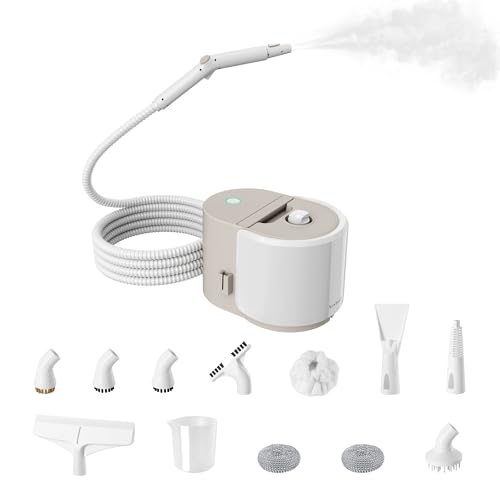
[Premium Stainless Steel Boiler] Crafted with a premium stainless steel boiler, this steam cleaner delivers long-lasting durability and superior corrosion resistance. It features 5 bar max steam pressure—blasting tough grime, grease, and dirt in half the time. Powerful steam cuts cleaning time and effort, reducing scrubbing work.

🧼 PROFESSIONAL-GRADE & MULTI-PURPOSE: Originally developed for use by professional cleaners, this enzyme-powered paste delivers commercial-level results across cookware and non-porous surfaces—including ovens, air fryers, grills, bathtubs, grout, and more.
Recommended Frequency for Self-Cleaning

Typically, we should run the self-cleaning cycle every 4 to 6 months to keep our ovens in good shape. This frequency can vary depending on oven use. For those of us who frequently cook with heavy residue, monthly self-cleans might be necessary. If we clean regularly by hand, we might only need to self-clean once or twice a year. Consult your owner’s manual for model-specific recommendations. For ovens used in Sabbath Mode, like some Thermador models, more frequent cleanings are crucial to manage built-up residue effectively. Maintaining this schedule helps prevent excessive grime accumulation. By sticking to this frequency, we guarantee efficient and effective cleaning cycles, making our ovens last longer and perform better. Additionally, regular maintenance cycles, such as those found in self-cleaning features, can enhance the performance and longevity of appliances like ice makers.
Duration of Self-Cleaning Cycles

How long should we expect self-cleaning cycles to take? The duration varies widely. High-temperature self-cleaning cycles usually last between 1.5 to 3 hours for standard cleaning needs. If we’re dealing with heavily soiled ovens, some high-heat models can extend up to 6 hours. For lighter messes, steam cleaning cycles are our go-to, as they typically take under an hour to tackle light soils. It’s essential to consult the manufacturer instructions for specific cycle durations tailored to our oven models. We also have the option to stop the self-cleaning cycle if needed, though timing can differ by brand and type. Knowing these details helps us choose the right self-cleaning method for our cleaning needs. Additionally, many air fryer pizza pans are made from high-quality materials that can withstand high temperatures, ensuring optimal cooking and cleaning.
Safety Considerations When Self-Cleaning

Understanding safety when using self-cleaning ovens is just as important as knowing how long the cycles last. We need to monitor these cycles due to the high temperatures involved, which can produce smoke or fumes, especially in poorly ventilated areas. The self-cleaning feature locks oven doors at 600°F, preventing oxygen from entering and greatly reducing fire risks. It’s essential to keep pets, especially tropical birds, away during the cleaning, as their sensitivity to fumes can cause health issues. Also, manufacturers provide specific safety guidelines, so always refer to their instructions for tailored advice. Finally, carbon monoxide levels are monitored during high-heat cleaning to mitigate hazards, ensuring a safer environment for our families. Moreover, utilizing energy-efficient appliances can help minimize overall energy consumption in your home.
Recommended Products

Stainless Steel & Glass Design: Crafted with a sleek stainless steel and glass finish, this 30" built-in oven offers a modern, professional look that seamlessly integrates into any kitchen setup. Its sophisticated appearance complements both contemporary and traditional decors, ensuring durability and easy maintenance.

All-in-One Versatility Steamer Oven: Enjoy a multitude of cooking options including steaming, air frying, baking, sous vide, fermentation, 29 preset auto menus, and sanitization in one countertop steam oven, offering unparalleled convenience and versatility in the kitchen

CARAWAY NOW LIVE ON AMAZON: Caraway has officially launched their best-selling and consciously crafted cookware on Amazon for everyone to enjoy. Time to upgrade your pots and pans and spruce up your kitchen decor!
Tips for Oven Maintenance Between Self-Cleaning Cycles

Regular maintenance is essential for keeping our oven in top shape between self-cleaning cycles. First, we should wipe up spills promptly with a damp sponge or cloth while the oven is warm. This helps prevent crunchy buildups and makes future cleaning easier. Next, let’s remove the oven racks and clean them with warm, soapy water to avoid residue accumulation. We also need to regularly check and clean the oven door and window with non-abrasive cleaners to maintain visibility. Additionally, implementing routine maintenance for the oven’s exterior with warm, soapy water keeps it looking new. Finally, we should schedule deeper cleanings every 4 to 6 months, especially if we often use the self-cleaning feature or deal with heavy soil. Regular upkeep of kitchen appliances, including our ice makers which often feature self-cleaning modes, can further enhance overall efficiency.
Frequently Asked Questions
Do I Put Detergent in Self-Clean Mode?
No, we shouldn’t put detergent in self-clean mode. It can harm our oven’s enamel and create dangerous fumes. Let’s rely on the self-clean benefits and follow safety precautions for effective maintenance without residue effects.
How Do You Use Self-Clean Mode?
Using self-clean mode’s like pressing a reset button for our oven. We’ll consult the user manual, guarantee safety precautions are in place, and enjoy energy-efficient appliance maintenance while minimizing environmental impact and maximizing cleaning benefits.
When Should I Put the Washer on Self-Clean?
We should run the washer’s self-cleaning cycle every few months, based on frequency guidelines. Following user manuals and considering fabric types can prevent staining issues and guarantee effective maintenance aligned with eco-friendly practices.
How Long Should You Leave Your Oven on Self-Clean?
Leaving our oven on self-clean feels like launching a rocket! Typically, self clean duration ranges from 1.5 to 3 hours, impacting efficiency and energy consumption—let’s follow recommended intervals for safe residue removal and ideal performance during regular maintenance.


