As an Amazon Associate, we earn from qualifying purchases. Some links on this site are affiliate links at no extra cost to you. Our recommendations are based on thorough research and editorial judgment.


Reducing Bitterness in Compact Espresso Shots

To reduce bitterness in compact espresso shots, we should focus on grind size, extraction time, and temperature. Use a medium-fine to fine grind for ideal extraction. Brew at 195°F to 205°F using a PID controller for accuracy. Aim for an extraction time of 25 to 30 seconds. Also, make sure you’re using fresh beans, preferably medium or light roast. Regular machine cleaning prevents stale flavors. By following these guidelines, we can craft a smoother espresso experience together.
Key Takeaways
- Maintain brewing temperature between 195°F and 205°F to prevent bitterness during extraction.
- Use a coarser grind size to allow better water flow and reduce over-extraction.
- Ensure extraction time stays within 25 to 30 seconds for optimal flavor balance.
- Use freshly roasted coffee beans to avoid stale flavors contributing to bitterness.
- Regularly clean your espresso machine to eliminate residual oils that can affect taste.
Understanding Espresso Bitterness
Bitterness in espresso can be a frustrating experience for many coffee enthusiasts. When espresso tastes bitter, it’s often due to over-extraction. Keeping your brewing temperature between 195°F and 205°F is essential. Too much heat can pull out unwanted bitter compounds. To avoid this, we should also focus on our grind size; a coarser grind can help reduce over-extraction. Freshness matters too—using coffee roasted within two weeks keeps those stale coffee flavors at bay. Additionally, we must remember to clean your machine regularly. Residual coffee oils can accumulate and negatively affect the flavor, causing that unpleasant bitterness. By monitoring these factors, we can enhance our espresso quality, delivering a smoother, more balanced shot every time. Proper cleaning and maintenance of espresso makers also contributes significantly to flavor retention.
The Role of Grind Size

Our choice of grind size can considerably impact the taste of our espresso. A finer grind increases the surface area, which can lead to bitter espresso due to over-extraction. To combat this, we can opt for a coarser grind, allowing water to flow more freely through the puck, reducing bitterness. The ideal grind for espresso usually sits between medium-fine and fine. However, we should adjust based on our taste preferences and the specific characteristics of medium or light roasts. Each type of espresso bean might require different settings, so it’s vital to experiment. Investing in a high-quality espresso machine and grinder guarantees consistent results, promoting a more balanced flavor profile in our shots. An essential factor to consider is the pressure application during tamping, as it influences extraction and overall flavor.
Optimal Extraction Time

Achieving ideal extraction time is key to brewing the perfect espresso. The best extraction time for espresso shots ranges from 25 to 30 seconds. This timeframe allows us to extract rich flavors without pulling bitter compounds from the coffee grounds. If we extract for more than 30 seconds, we risk over-extraction, leading to a harsh taste. Under-extraction, occurring under 25 seconds, results in a watery, acidic shot that lacks sweetness. Consistency is essential; even slight variations can impact the complexity of flavors and mouthfeel. To maintain our desired extraction time, we should monitor and adjust the coffee-to-water ratio, ensuring that each shot balances flavor effectively. Through these adjustments, our espresso will be enjoyable and less bitter. Additionally, utilizing a machine with a 15-20 bar pressure system can significantly enhance flavor extraction, elevating the overall espresso experience.
Recommended Products

Boiler Type: Single Boiler
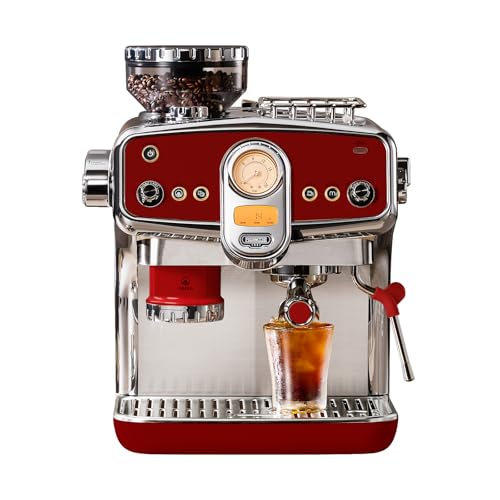
58mm Portafilter & 20 Bar Pump – True Commercial Grade: Unlike most home espresso machines that use a 54mm portafilter, the Pedrocchi S60 Ultra features a 58mm espresso machine design for larger puck depth and richer crema. With a powerful 1-20 bar espresso machine pump, it delivers optimal pressure for café-quality extraction.

15 bar pressure for brewing excellence and consistent results, with integrated silent burr grinder
Temperature Management

To guarantee a balanced flavor in our espresso, managing the brewing temperature is essential. The ideal water temperature ranges from 195°F to 205°F (90°C to 96°C). Using a PID controller can help maintain this range accurately. If the temperature is too high, we risk over-extraction, pulling overly bitter compounds from the coffee grounds. This not only impacts flavor but also ruins our chance at the perfect espresso. To improve consistency, flushing the machine before brewing sets a stable foundation. Monitoring and adjusting the brew temperature by increments of 1-2 degrees can make a significant difference, reducing bitterness in our final shot. A well-controlled temperature equals a better espresso experience for us all. Additionally, utilizing auto shut-off technology can enhance safety by preventing overheating, ensuring that we maintain focus on brewing the perfect cup.
Recommended Products

Dual Boiler Espresso - Dedicated brew and steam boilers promise better brew temperature for your espresso.

Dual Boiler Espresso - Dedicated brew and steam boilers promise better brew temperature for your espresso.

Mozzafiato Case Design - Modern, beveled side panels add a cutting edge look to the Mozzafiato's case design.
Impact of Bean Quality

The quality of espresso beans plays an essential role in determining flavor. Freshly roasted beans yield a sweeter taste, while stale beans can turn espresso bitter in just three to four weeks. We should prefer medium or light roast coffee beans to enhance sweetness and acidity, avoiding over-roasted varieties that taste bitter and lack complexity. High-quality arabica beans generally offer a smoother profile, and when blended with robusta beans, they can create a perfectly balanced flavor. Also, the origin of our espresso beans matters; those from ideal growing conditions deliver less bitter and more complex flavor profiles. Proper storage in airtight containers is vital to maintain freshness and prevent oxidation, which can spoil our coffee experience. Additionally, using High-quality arabica beans can significantly enhance the overall taste and reduce bitterness in your espresso.
Recommended Products

100% AUTHENTIC JAMAICAN BLUE MOUNTAIN COFFEE: Savor the legendary taste of Jamaica’s most sought-after coffee. Our unroasted Arabica Typica beans are handpicked from the misty Blue Mountains, delivering a naturally smooth, vibrant, and complex flavor profile.

☕ MEDIUM ROAST – INTENSITY & BALANCE Crafted for a smooth, bold espresso experience with moderate roast intensity and rich body.
Importance of Equipment Cleanliness
While it might seem easy to overlook equipment cleanliness, it’s crucial for great espresso. Regular cleaning of our espresso machines prevents bitter flavors caused by old coffee oils and residues. We should backflush with a product like Cafiza at least once a week. A clean portafilter and shower screen help optimize water flow and extraction, leading to smoother espresso. Neglecting equipment can result in channeling, where water flows unevenly, causing inconsistent extraction and undesirable bitterness. For grinder maintenance, using a cleaning product like Grindz every couple of months guarantees we achieve a consistent grind size. Finally, we must replace worn components like brew gaskets and shower screens when needed, which maintains efficiency and improves our espresso’s taste considerably. Additionally, maintaining equipment cleanliness not only enhances flavor but also extends the lifespan of our machines, ensuring they perform optimally.
Recommended Products

Coffee & Espresso Machine Cleaning Products


Highly effective cleaning tablets for WMF milk systems.
Additional Techniques for Enhancing Flavor
After addressing the importance of equipment cleanliness, we can now focus on techniques that enhance the flavor of our espresso. One effective method is pre-infusion. This technique saturates coffee grounds before full pressure extraction, enhancing flavor complexity while reducing bitterness. We should also try applying lighter tamp pressure, around 20 lbs, which may prevent over-extraction and create smoother shots. A small pinch of salt can neutralize bitter flavors, improving the overall taste experience. Additionally, experimenting with various brewing techniques, such as adjusting shot timings and ratios, helps us discover ideal flavor profiles. Keeping a detailed log of methods and their impact on flavor will refine our process and enhance the balance of future shots. Incorporating a milk frother can also add a creamy texture and make the espresso experience even more enjoyable.
Frequently Asked Questions
How to Make Espresso Shots Less Bitter?
To make our espresso shots less bitter, we can adjust the grind size coarser, control water temperature between 195°F and 205°F, and guarantee fresh coffee beans while monitoring brewing time for ideal extraction.
What Is the 30 Second Rule for Espresso?
The 30-second rule for espresso guarantees ideal extraction. By adjusting coffee grind size, monitoring brewing temperature, selecting quality beans, and maintaining our machine, we achieve a balanced flavor and prevent bitterness when brewing espresso.
What Cancels Out Bitterness in Coffee?
Did you know that 70% of coffee drinkers prefer sweeter flavors? To cancel bitterness, we can adjust grind size, brewing temperature, add milk, and achieve acidity balance for an overall delightful sweet flavor.
What Is the 2:1 Rule for Espresso?
The 2:1 rule for espresso means using double the weight of brewed espresso compared to coffee grounds. We should consider espresso extraction, brewing temperature, coffee grind, tamping pressure, and water quality for ideal flavor.


