As an Amazon Associate, we earn from qualifying purchases. Some links on this site are affiliate links at no extra cost to you. Our recommendations are based on thorough research and editorial judgment.


Cleaning Milk Residue Safely From Frothers and Steam Wands

To clean milk residue safely from frothers and steam wands, we should first rinse them immediately after use to prevent buildup. For deeper cleaning, we can soak parts in warm, soapy water for about 15-20 minutes. A soft-bristle toothbrush helps scrub stubborn spots. If we notice any crunchy or fizzy odors, it might indicate mold. Regular cleaning keeps our frothers performing well, but in a moment, we’ll share more essential tips on maintenance.
Key Takeaways
- Rinse milk frothers and steam wands with warm water immediately after use to prevent residue buildup.
- For deep cleaning, soak parts in warm, soapy water for 15-30 minutes to loosen stubborn milk residues.
- Use a soft-bristle toothbrush to gently scrub hard-to-reach areas and remove any remaining milk residue.
- Employ natural cleaning agents like vinegar or baking soda for effective, safe removal of stubborn stains.
- Ensure thorough drying after cleaning to prevent bacterial growth and maintain hygiene.
Why Cleaning Your Milk Frother Matters
Cleaning your milk frother is vital for maintaining its performance and your health. Regular cleaning is crucial to prevent milk residue buildup that affects frothing efficiency. When we neglect our frothers, bacterial growth can occur, posing hygiene risks. To keep our equipment in pristine condition, we should use warm soapy water after every use. This practice helps loosen any residue and prevents protein hardening. For steam wands, thoroughly cleaning practices can extend their lifespan and guarantee quality froth. Remember that burnt residue not only diminishes performance but can also lead to costly replacements. By staying proactive with our cleaning routines, we can enjoy our drinks without worry and keep our frothers functioning at peak performance. Additionally, following the manufacturer’s safety features can help ensure your frother remains safe to use during operation.
Different Types of Milk Frother

Milk frothers come in various types, each with unique features and cleaning requirements. Manual frothers are simple to use; we just pump them for foam. They’re usually dishwasher-safe, needing a quick rinse and the occasional wipe with a damp cloth. Handheld electric frothers are compact but require a thorough cleaning of the whisk weekly, while a quick rinse after every use helps prevent milk protein buildup. Automatic frothers heat and froth with a button press but require careful disassembly during routine cleaning. Finally, steam wands on espresso machines need immediate purging and wiping with a soft sponge or steam wand brush. Regardless of the type, regular maintenance like deep cleaning with a suitable cleaning solution guarantees ideal hygiene and device longevity. Additionally, utilizing high-quality materials in frothers can significantly enhance their durability and performance.
Recommended Products

The Breville Oracle fully automatic delivers third wave specialty coffee at home using the 4 keys formula; It has a professional Dual Boiler construction that delivers unparalleled temperature control and simultaneous extraction and steaming

Offers a variety of six different beverages: ristretto, extra-strong ristretto, espresso, extra-strong espresso, coffee, large coffee, as well as hot water for gentle and strong tea infusions. Features a stainless-steel burr grinder that ensures the perfect amount of coffee for a fresh beverage every time

ALL-IN-ONE BARISTA - With bean-to-cup brewing and a built-in burr grinder, the Dinamica Espresso Machine produces cafe-quality beverages like espresso, long espresso, drip style coffee, and even iced coffee at the push of a button
Daily vs. Deep Cleaning: What’s the Difference?

When it comes to keeping our frothers in top shape, we have two main strategies: daily cleaning and deep cleaning. Daily cleaning involves rinsing our frothers with warm water right away and wiping them down to prevent milk residue buildup. It’s quick but effective. On the other hand, deep cleaning is performed every 5–7 days and targets stubborn residues hiding in crevices. This process may require soaking parts in warm, soapy water and using specialized cleaning solutions for those tough spots. By maintaining both routines, we extend the life of our stainless steel frothers and steam wands, ensuring they operate efficiently, produce great froth, and stay hygienic. Additionally, incorporating regular cleaning habits can significantly improve the efficiency of kitchen appliances, as seen with compact indoor grills. Let’s prioritize both methods for the best results!
Recommended Products

Precision Brewing with 58mm Portafilter – Designed for espresso perfection, the professional-size portafilter ensures even extraction and rich, full-bodied flavor.

CONTROL YOUR INGREDIENTS: Create fresh, homemade plant-based milk with the M1 plant-based milk maker. Use nuts, seeds, or grains with your choice of sweeteners or flavors. Enjoy clean, high-quality milk made exactly how you like it.
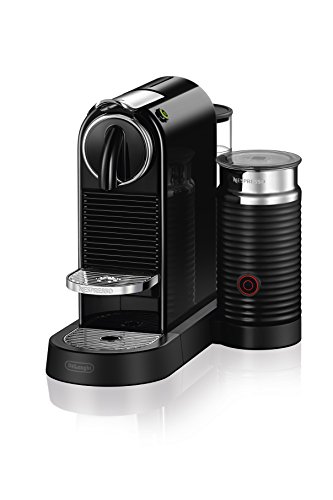
Please refer to user guide or user manual or user guide (provided below in PDF) before first use
Tools & Products That Make Frother Cleaning Easier

A clean frother is essential for ideal performance and great froth. To effectively remove milk residue, we need the right tools and cleaning agents. For stubborn buildup, a soft-bristle toothbrush or steam wand brush is invaluable. These tools reach those tricky spots that regular cleaning misses. When it comes to natural cleaning agents, vinegar and baking soda fizz to eliminate odors and residues without harsh chemicals. Don’t forget to use food-safe descalers for frothers with heating elements; they prevent mineral buildup. For quick solutions, invest in cleaning tablets like Rinza M61, designed to keep steam wands hygienic. Finally, keep a bottle brush handy for jugs, ensuring every crevice is thoroughly cleaned after each use.
Recommended Products

NO-ADDITIVE HOMEMADE PLANT MILK: Make fresh soy, almond, oat, coconut, and other plant-based milks at home in minutes. Skip the added sugars, gums, and preservatives often found in store-bought alternatives, and enjoy a cleaner, healthier choice made exactly the way your family likes it

Electric Milk Maker: Soyabella milk maker machine makes fresh and heated soy milk, almond milk, rice milk, and cashew milk in just 15 minutes and unheated, raw plant-based milk in as little as 30 seconds
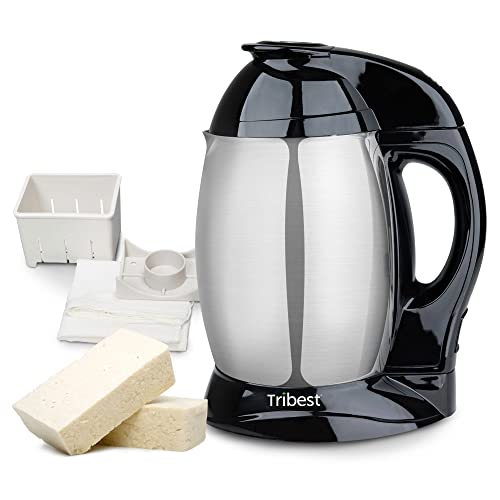
Make Fresh, Nutritious Plant-Based Milk - Create homemade almond milk, oat milk, and more with our stainless steel milk maker. Enjoy healthier, preservative-free alternatives with ease
When to Replace Your Frother

Keeping our frother clean is just one part of maintaining its performance. We should replace our frother if we notice the motor slows down, as this affects frothing ability. If the whisk looks bent or warped, it’s time for a replacement. A decline in heating function, where the milk won’t reach the right temperature, signals it’s best to replace it. Constant unpleasant odors despite deep cleaning can indicate mold growth or bacteria, meaning it’s time for a new frother. Finally, if the quality of foam consistently drops, we should consider getting a fresh one. Remember to always rinse and use vinegar during cleaning milk to prevent dried milk buildup and prolong the frother’s lifespan. Additionally, non-stick surfaces in your frother can help in maintaining efficiency, similar to how air fryer liners support effortless food release.
Recommended Products

Bundle Includes: Jura E8 5th Gen Smart Espresso Coffee Machine (Piano Black) and Jura Glass Milk Container
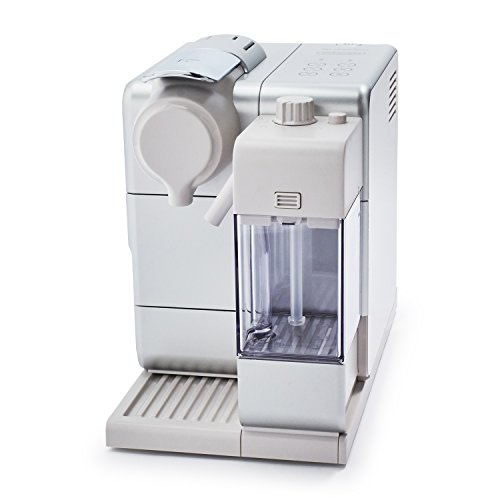
Practical design: sliding drip tray for different cup or glass sizes, removable milk container with rinsing function, illuminated buttons

Precision dose control grinding: Built-in conical burr grinder with 30 grind size settings gauges the size of the filter basket and delivers the precise amount of freshly ground coffee required.
Frequently Asked Questions
How to Clean Milk Residue From a Steam Wand?
To clean milk residue from a steam wand, we should follow a daily cleaning routine, using proper cleaning tools and safe cleaning solutions. We’ll focus on milk cleaning techniques to guarantee effective stubborn residue removal and equipment hygiene.
How to Clean Milk Residue From Frother?
Like a well-tuned symphony, maintaining our frother requires daily attention. We should embrace best cleaning practices using natural solutions, follow frother maintenance tips, and store it properly to avoid buildup issues and guarantee effective frothing techniques.
Which of the Following Is the Correct Order for Removing Milk Residue From a Steam Wand?
To effectively remove milk residue from a steam wand, we should purge, wipe, and then re-purge. Implementing proper cleaning techniques and safety precautions guarantees our coffee equipment remains in top shape, preventing milk buildup.
How to Clean Milk Frother Wand With Vinegar?
To clean our milk frother wand with vinegar, we’ll use a vinegar solution for safe cleaning. This routine maintenance effectively breaks down residue, making our frothing techniques even better while avoiding harsh cleaning agents or descaling agents.


