As an Amazon Associate, we earn from qualifying purchases. Some links on this site are affiliate links at no extra cost to you. Our recommendations are based on thorough research and editorial judgment.


Cleaning Compact Blender Cups Without Clouding or Odors

To clean compact blender cups without clouding or odors, we should first rinse immediately after use to avoid tough residues. Use warm water with a drop of liquid dish soap, blending on high for 20-30 seconds. For oily mixes, extra soap helps. A bottle brush can tackle stubborn spots. Soak components in a vinegar solution for 15-20 minutes for deep cleaning. Air-dry with the lid off for complete dry-out. Discover more tips to keep our blender cups in great shape.
Key Takeaways
- Rinse components immediately after use to prevent residue from hardening and causing odors.
- Use a mixture of vinegar and warm water for a deep clean to remove stains and neutralize odors.
- Blend warm, soapy water for about 30 seconds to dislodge stubborn food particles without clouding.
- Apply a baking soda paste to tough stains, allowing it to sit before rinsing thoroughly.
- Ensure all parts are completely air-dried with the lid off to prevent moisture retention and odors.
What You Need
To effectively clean our blender cups, we need a few essential items. First, warm water is key for breaking down residue. It works better than cold water. We’ll also need a drop or two of liquid dish soap to tackle any oily messes. A bottle brush is important, too, as it helps us reach tight spots like the blades and corners. When it comes to drying, microfiber towels are our best friends. They guarantee all parts are moisture-free, helping to prevent odors and bacteria. For tough stains, we can mix baking soda with warm water. Adding a little vinegar creates a fizzy reaction that’s great for fighting discoloration. With these supplies, cleaning our blender pitcher becomes much easier. Additionally, using a nonstick cleaning surface on the pitcher can help ensure residue is successfully lifted without any hassle.
How Long Will This Take to Clean?

How long does cleaning our blender cups really take? For light tasks like smoothies, a quick rinse can take just 1 to 2 minutes. If we’ve made something hearty, such as nut butter, it could go up to 5 minutes to get all the residues out. An immediate rinse right after use helps us avoid those old food smells and hardening residues. Here’s a handy cleaning tip: fill the cup halfway with warm water and add a few drops of soap. Blend for 30 seconds to loosen anything stubborn. This method cuts down on deep cleaning time later on, especially with those pesky mineral deposits. Regular maintenance guarantees we keep our blender smelling fresh and functioning at peak efficiency, ensuring optimal energy efficiency modes during use.
Recommended Products

PATENTED DUAL-TIER LEDGE: Overhanging ledges on the front and back provide two levels of tracks for sliding the built-in accessories | LEDGEFIT: Sink is compatible with 40+ optional LedgeFit accessories that are interchangeable between different Ruvati workstation sinks, giving you endless kitchen customization options, now and into the future | INNOVATIVE SLOPE-BOTTOM: Bottom of the sink has a 1-inch slope towards the drain ensuring that all water and debris rushes towards the drain

Professional Spray Gun features convenient side Pattern Control Knob to adjust size of fan pattern from small to large
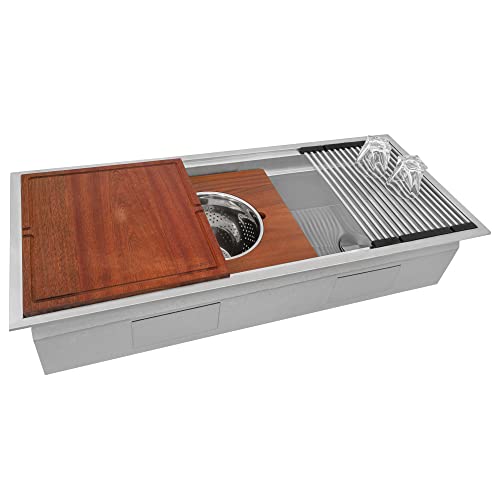
WORKSTATION SINK: Patented dual-tier ledge provides two levels of tracks for sliding the built-in accessories. | LEDGEFIT: Sink is compatible with 40+ optional LedgeFit accessories that are interchangeable between different Ruvati workstation sinks, giving you endless kitchen customization options, now and into the future.
The How

Cleaning our blender cups effectively guarantees they remain in top shape for every use. To start, fill the cup halfway with warm water and add a drop of dish soap. This soap helps loosen any crunchy residue. Next, blend on high for about 20-30 seconds. This action will dislodge food particles stuck to the sides and blades. After blending, pour out the soapy water and rinse thoroughly with warm water to remove any soap residue. For stubborn spots, use a bottle brush around the blades. This makes certain all residues are cleared away. Finally, allow the cup to air dry completely with the lid off, preventing any lingering odors or moisture buildup. A clean blender enhances every smoothie experience! Additionally, using BPA-free materials in your kitchen tools helps maintain food safety while preparing meals.
Cleaning Oily and Pasty Mixes

After ensuring our blender cups are spotless, we need to address the challenges posed by oily and pasty mixes. For oily recipes, adding extra dish soap is essential. This helps cut through the fat and residue left in the blender. When cleaning nut butters or pasty mixes, we can use a long, narrow silicone spatula to dislodge clumps effectively. Let’s blend hot, soapy water in the blender for about 30 seconds. This will mix the soapy water thoroughly, loosening any lingering smells and residue. After blending, we must rinse the blender cup thoroughly. A clean rinse is vital to prevent any soapy or oily textures from affecting our next blend. If stubborn residue remains, repeating this cleaning method with hot water can help. Additionally, ensuring that the blender components are dishwasher-safe parts can make the cleaning process easier and more efficient.
Recommended Products

Efficient Grout Restoration: Say goodbye to worn-out, discolored grout lines with our Magic Chems Grout Repair Kit. Specifically formulated for grout repair and tile grout, this kit efficiently restores grout lines, rejuvenating the appearance of your bathroom tiles. Elevate your DIY game with professional results. The Magic Chems Grout Repair Kit empowers you to achieve a polished finish without the need for costly professional assistance. Enjoy a bathroom or kitchen makeover on your terms.

Includes new Signarture Light Gold Knob

Powerful Motor - Commercial grade 3.7 peak horsepower motor Rated power of 1400 watts, creating up to 30,000 RPM
Recommended Cleaning Methods

To keep our blender cups in top condition, we should implement effective cleaning methods right after use. First, we can tackle light residue by blending a mixture of warm water and a drop of dish soap for 20-30 seconds. This simple cleaning step guarantees freshness. For stubborn stains and odors, let’s soak the blender cup in equal parts vinegar and warm water for 15-20 minutes. If we notice hard water deposits, blending 1/4 cup baking soda with warm water will fizz away those issues and restore clarity. After each use, we must rinse the components immediately to prevent odors and staining. Finally, using a Euroscrubby sponge during scrubbing helps efficiently remove grease without scratching the surface. Additionally, implementing energy-efficient models can further enhance your kitchen’s overall cleanliness and functionality.
Recommended Products

All Best Materials Made: Experience luxury and modern appearance with our wicker collection sofas, designed with premium PE material that can withstand all weather conditions; The robust metal frame, thick and heavy-duty, ensures a high weight capacity; Our outdoor patio furniture set blend sturdiness and comfort perfectly, providing a strong yet cozy lounging experience designed for the most exquisite tastes

【Adjustable Power Recliner with Dual Button Control】:This electric recliner features independent button controls for personalized comfort. Adjust the footrest and backrest separately to find the ideal position for reading, watching movies, napping or enjoying long World Cup soccer matches. Upholstered in breathable PU leather with moisture-wicking properties that are easy to clean and maintain, it also makes an outstanding Father’s Day gift for dads, husbands and sports fan grandpas.

[Experience Ultimate Comfort] Featuring comfortable backrest, larger soft armrest pockets and 4 lumbar pillows, this U-shaped upholstered sofa can relax our head, neck, back and all parts of the body, making it more comfortable than traditional sofas.
Essential Tools and Ingredients
A well-equipped cleaning station makes maintaining our blender cups easier and more effective. First, we need essential tools like a bottle brush and a Euroscrubby sponge. The bottle brush helps us reach the inside corners and fully clean the cup, while the sponge provides gentle scrubbing without scratching. For cleaning agents, we’ll use white vinegar for its powerful acidity that cuts through stubborn residues and odors. A few drops of dishwashing liquid mixed with warm water helps dissolve thick residues. Warm water, instead of cold, loosens grime more efficiently. Finally, adopting a habit of a quick rinse right after use will prevent undesirable buildup and keep our cups fresh for future smoothies. Additionally, incorporating dishwasher-safe components will make routine cleaning even simpler and more efficient.
Safety Precautions
While cleaning our blender cups seems straightforward, safety precautions are essential to guarantee a smooth experience. First, we should never blend with nearly boiling water. This can cause pressure build-up and even explosion. When using hot water, we need to handle it carefully to avoid burns, especially if we’ve just blended hot ingredients. It’s vital to leave the lid off during soaking to allow proper ventilation, helping to dissipate any odors. After using soapy water, we should rinse the blender thoroughly to remove all residues. Residues can affect the taste of future blends, and nobody wants a fizzy smoothie with a weird taste. Finally, we should air dry all components, leaving the lid off to eliminate moisture and leftover smells. Additionally, using precise temperature control can help ensure better cleaning results by preventing food residue from hardening.
Community Feedback and Experiences
When we clean our blender cups, it’s helpful to contemplate feedback from other users. Many folks suggest rinsing immediately after use prevents protein and food residues from becoming crunchy and hard to remove. Starting with warm water and a drop of dish soap is often recommended. After that, a thorough rinsing keeps things fresh. For tougher odors or stains, some users swear by soaking removable parts in a vinegar solution overnight, which aids in effective odor elimination. Others have found success by adding baking soda to this mix for a fizzy cleaning reaction. Different methods may perform better with specific residues, so don’t hesitate to experiment with what works for you. Furthermore, using a compact design can enhance your overall kitchen efficiency while simplifying cleanup processes.
Further Reading
How can we guarantee our blender cups remain in top condition? Regular cleaning is key. After each use, we should rinse our cups with warm water immediately. This prevents odors and residue buildup. For effective cleaning, mix a drop of liquid dish soap with warm water. This combination breaks down oily residues and minimizes cloudiness.
For deeper cleaning, soak components in a mixture of vinegar and warm water for 15-20 minutes. This helps remove tough stains and lingering odors. If we encounter stubborn stains, creating a paste with baking soda and water can enhance our efforts. Finally, air-dry all parts with the lid off to secure freshness. Additionally, using BPA-free materials for your blender ensures safety and durability, keeping your cups in excellent shape. These steps will help us maintain odor-free blender cups for every use.
Frequently Asked Questions
How to Get Rid of Smell in Blender Cup?
We can banish smells in our blender cups by using eco-friendly cleaning products like a baking soda and water mix or vinegar solution. These kitchen odor solutions are our tried-and-true blender maintenance tips for fresh, clean cups!
How to Deep Clean a Blender Cup?
To deep clean our blender cups, we should use eco-friendly solutions like vinegar and baking soda. Regular maintenance with effective scrubbing techniques guarantees cleanliness. Let’s make routine cleaning a habit for peak performance and hygiene!
How to Remove Cloudiness From Blender?
To remove cloudiness from our blender, we can use homemade cleaning recipes like vinegar and baking soda. For effective odor removal, let’s soak the parts in hot water or vinegar, using the best cleaning supplies available.
How to Clean a Cloudy Plastic Container?
To clean a cloudy plastic container, we can use vinegar and warm water soaking, apply baking soda for tough spots, and follow dishwashing tips for container care and odor prevention through proper plastic maintenance.


