As an Amazon Associate, we earn from qualifying purchases. Some links on this site are affiliate links at no extra cost to you. Our recommendations are based on thorough research and editorial judgment.


Odor Removal From Plastics: Vinegar, Baking Soda, and Sunlight

To remove odors from plastic containers, we can use baking soda, vinegar, and sunlight. First, soak containers in a solution of one tablespoon of baking soda and warm water for a few hours. Next, rinse with equal parts vinegar and water; heating the solution enhances effectiveness. For a fresh scent, rub lemon juice inside. Finally, leaving containers in sunlight for a few hours can eliminate stubborn smells. Let’s explore other tips for preventing future odors.
Key Takeaways
- Baking Soda Soak: Soak plastic containers in a mixture of warm water and baking soda for a few hours to eliminate stubborn odors.
- Vinegar Solution Rinse: Rinse containers with a solution of equal parts water and vinegar to neutralize odors effectively.
- Sunlight Exposure: Place containers in direct sunlight for a few hours to help break down persistent smells naturally.
- Lemon Treatment: Rub the insides of containers with halved lemons or soak them in lemon juice for a fresh scent.
- Preventive Care: Clean and dry containers immediately after use to avoid odor retention and moisture accumulation.
Why Plastic Containers Develop Odors
When we think about why plastic containers develop odors, it’s essential to understand their porous nature. Plastic can absorb food smells, especially strong-scented items like garlic and onion. These strong food residues leave tiny molecules that cling to the plastic, creating persistent odors. If we don’t clean containers immediately after use, leftover food can sit and ferment, increasing odor intensity. Additionally, improper cleaning leaves moisture behind, fostering bacteria, mold, or mildew, all of which contribute to unpleasant smells. Lower-quality, flimsier plastics are especially prone to retaining these smells, while thicker, more durable plastics tend to resist absorption better. Keeping our containers clean and drying them thoroughly is key to reducing odors and maintaining freshness. Moreover, prolonged exposure to heat and certain energy consumption ratings can further exacerbate the absorption of odors in plastic containers.
How to Remove Odors From Plastic Containers

Odors can make us hesitant to use our plastic containers, even if they’re clean. To effectively remove odors from plastic, we can start by creating a paste using Baking Soda and a little water. Apply this paste to the container, let it sit for a few hours, then rinse. Alternatively, mixing equal parts vinegar and water helps soak our containers, with vinegar acting as a natural disinfectant. For additional freshness, we can rub halved lemons inside or soak the containers in lemon juice. Placing them in sunlight for a few hours also breaks down stubborn odors. If those odors persist, crumpled newspaper can be sealed inside the containers for a couple of days to absorb lingering smells. Using a dishwasher-safe attachment can also streamline the cleaning process of our containers.
Recommended Products
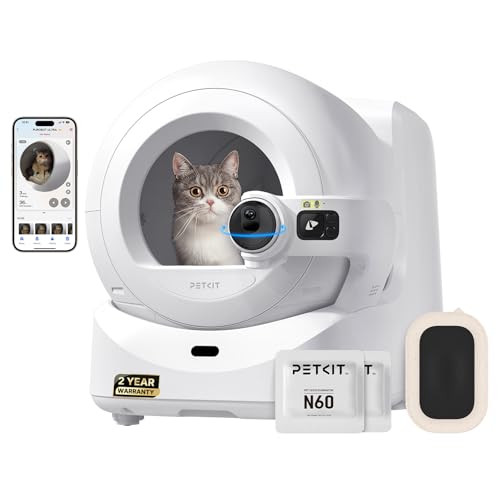
【 Invisible Health Clues Hidden in Litter Box Become Visible 】: World’s first smart AI camera cat litter box, This revolutionary self cleaning litter box integrates cat facial recognition and poop monitoring with an AI camera—transforming routine litter box use into a comprehensive health tracking system.

THE COMPLETE CLEAN COMBO: The Hoover PowerScrub XL Pet Carpet Cleaning Machine combines five counter-rotating SpinScrub brushes and HeatForce faster drying to lift and remove the toughest stains and renew your carpets from the inside out.

ECO-FRIENDLY CLEANING POWER: Concentrated powdered laundry soap works on all your laundry, from high-tech fabrics to delicates, washing away smells, stains, and left-behind residue from previous detergents.
Baking Soda Soak

One effective method to combat stubborn smells in plastic containers is a baking soda soak. We’ll mix one tablespoon of baking soda with warm water for this process. After stirring, let the plastic container soak in this solution for at least an hour. If we’re tackling larger or particularly smelly containers, we can bump the baking soda up to a quarter cup. In those cases, let’s extend the soak time to a few hours or even overnight for maximum effectiveness. This method not only helps remove smells but also targets food stains that contribute to lingering odors. Baking soda is a cost-effective option, avoiding harsh chemicals, and is safe for both our environment and food storage practices. This approach is similar to using durable materials that help maintain cleanliness in various storage solutions, as seen in ice bags.
Recommended Products

SMART PET POTTY: Our indoor Smart BrilliantPad for small dogs is a self-cleaning dog potty that handles #1 and #2. It features a camera, WiFi connectivity and a smartphone app to advance fresh pads and give you critical health insights. Keep your hands clean with a touch-free puppy pee cleanup right from your phone. Great for small breeds under 25 pounds.

HUMAN-SAFE CLEANING CONCENTRATE: This kit features our 33.8 fl oz Concentrate, a versatile, multi-purpose formula that replaces virtually every cleaner in your home and cleans everything from surfaces and grout to dishes and hand washing. One powerful, fragrance-free forumula for your entire home. Safe for babies, kids, and pets, it simplifies your routine with one powerful, multi-purpose solution.
Vinegar Solution Rinse

A vinegar solution rinse can be a powerful ally in eliminating stubborn odors from plastic containers. To make the rinse, we’ll mix equal parts white vinegar and water. You can soak the container in the solution or use it to rinse the interior surfaces thoroughly. For those tougher odors that remain, heating the vinegar solution in the container for a few minutes truly boosts its effectiveness. After we complete the rinse with vinegar, it’s crucial to wash the container with soap and water to remove any residual vinegar scent. Finally, allowing the container to air out will help maximize freshness and eliminate lingering odors. This method guarantees our plastic containers smell clean and ready for use again. Additionally, using surge protection ratings helps ensure safety when dealing with electrical appliances that may also emit odors.
Recommended Products

Mojave holds an old-world look, featureing geometric patterns, neutral tones, and wool texture adding warmth and elegance to entryways, bedrooms, and living spaces.

Transform Your Living Space: The LEVNARY Modular Sectional Sofa is designed to fit seamlessly into any living room, bedroom, or office, offering a stylish single sofa couch option for versatile seating arrangements

SINK DIMENSIONS: 32" L X 21" W X 9.5" D and designed to fit 36" minimum cabinet base
Lemon Juice Rinse

Lemon juice is an effective solution for removing stubborn odors from plastic containers. To deodorize, we can mix ¼ cup of lemon juice with 1 cup of water. Next, we’ll soak the container in this mixture overnight to guarantee it works effectively. If we want to remove lingering smells even faster, rubbing a halved lemon directly over the container’s interior can also freshen it up. This method not only helps eliminate odors, but the natural antibacterial properties of lemon juice also prevent odors in plastic by inhibiting bacteria growth. After rinsing, we should let it sit for a few minutes before washing it out. Following these steps will leave our containers smelling fresh and clean. Additionally, having an appliance with non-stick surfaces can further ensure easy cleanup and maintenance, which is essential for maintaining a tidy living area in small spaces like dorm rooms.
Recommended Products

Super concentrated, fast-acting formula turns liquid spills into an easy-to dispose gel.

DURABILITY: 18/8 stainless steel will not absorb odors and will keeps ice tasting fresh and clean.

Concentrated deodorant with a pleasant lemon fragrance.
Sunlight Exposure
While lemon juice is an effective method for odor removal, sunlight exposure offers another powerful option. Placing washed plastic containers in direct sunlight for a few hours can greatly help remove odors. The ultraviolet (UV) rays break down odor-causing compounds efficiently. Plus, this method is completely chemical-free and environmentally friendly. Lightweight plastic containers especially benefit since they tend to absorb odors more readily. Sunlight also helps dry containers thoroughly, reducing moisture that contributes to odor retention. For best results, we recommend placing the containers outside between 10 AM and 2 PM for ideal sunlight exposure. Remember, this simple step uses no harsh cleaning agents, making it an entirely safe and effective technique for keeping our plastic containers fresh and odor-free. Additionally, using space-saving solutions can help you efficiently organize and store kitchen items, preventing odors from lingering in your containers.
How to Prevent Odors in Plastic Containers
To prevent odors in plastic containers, following some straightforward steps can make a significant difference. First, we should wash our containers with hot, soapy water right away after using them. This helps remove food residues that cause unpleasant smells. Next, let’s guarantee our containers are clean and dry before sealing them. Moisture builds up and can lead to musty odors. For strong-smelling foods like onions or garlic, we need to store them in airtight bags or dedicated containers to prevent odors from spreading. Additionally, keeping lids off while storing helps maintain air circulation, reducing trapped smells over time. Finally, let’s regularly inspect our containers and air them out to address any emerging odors promptly. Incorporating nonstick materials in your storage options can further help minimize odor retention in the long run.
Recommended Products

STYLE: Contemporary styling to match any facility aesthetic

Hide your trash in this stylish outdoor trash can
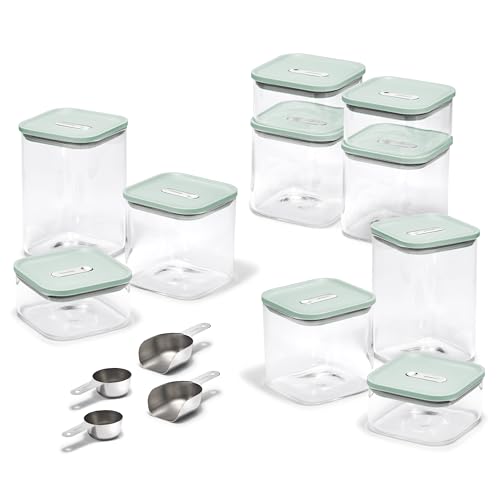
COMPLETE 26-PIECE SET: Includes 10 glass containers with lids, 2 stainless steel scoops, 2 ¼ measuring cups, 2 modular storage bases, and 2 magnetic organizers, creating an all-in-one food storage system for a streamlined, clutter-free pantry.
When to Replace Your Plastic Containers
Knowing when to replace our plastic containers is essential for maintaining safe food storage. We should consider replacing them if we notice visible signs of wear, such as cracks, chips, or discoloration. These issues can compromise their performance and safety. If lids no longer fit tightly or show damage, it’s time for an upgrade. Persistent odors that remain despite our best cleaning efforts signal that the container has absorbed them beyond practical removal. Regular inspections help us spot hidden damage to guarantee our food storage practices stay safe. Opting for new containers enhances food organization and storage. Luckily, modern replacements are often readily available and cost-effective at local stores, making them easy to find. Additionally, keeping in mind your container’s cleaning features can help prolong their lifespan.
Frequently Asked Questions
How to Remove Rancid Smell From Plastic?
Ever wondered how to tackle that rancid smell in plastics? Together, we can explore effective cleaning methods, like vinegar and baking soda, and discover long-lasting solutions with household tips to banish those odors for good.
What Is the Most Powerful Odor Eliminator DIY?
We believe the most powerful DIY odor eliminator involves natural deodorizing methods like baking soda and vinegar. For long-term odor prevention, let’s combine effective household remedies and essential oils for biodegradable cleaning solutions tailored to our needs.
Can You Clean Plastic With Vinegar and Baking Soda?
Sure, we can clean plastic with vinegar and baking soda! These cleaning techniques offer us delightful deodorizing methods and natural cleaners for plastic care. Let’s embrace these household solutions – our nostrils will thank us!
Does Baking Soda and Vinegar Remove Bad Odor?
Absolutely, baking soda and vinegar are effective scent neutralizers. We can rely on these natural odor fighters as safe household cleaning hacks, employing odor absorption techniques to tackle unpleasant smells from plastic materials safely and efficiently.


