As an Amazon Associate, we earn from qualifying purchases. Some links on this site are affiliate links at no extra cost to you. Our recommendations are based on thorough research and editorial judgment.


Small Popcorn Makers: Oil Vs Hot Air Taste Differences

When we compare small popcorn makers, oil-popped popcorn offers a rich, crunchy texture, thanks to the oil that enhances flavor and locks in moisture. It typically results in around 100-150 calories per cup depending on the oil used. In contrast, air-popped popcorn is lighter, fluffier, and has about 30 calories per cup, but often requires seasoning for flavor. If we want a satisfying snack, oil-popped is a better choice. Let’s explore more factors influencing our popcorn-making decisions.
Key Takeaways
- Oil-popped popcorn has a richer, more flavorful taste compared to air-popped, which is generally lighter and less flavorful.
- Stovetop oil-popping creates a crispy texture similar to movie theater popcorn, while air-popped popcorn is fluffier and softer.
- High smoke point oils enhance the natural flavors of popcorn, making oil-popped options more appealing for flavor-seekers.
- Air-popped popcorn is lower in calories, around 30 calories per cup, making it a healthier but less satisfying choice.
- Seasoning is often needed for air-popped popcorn to enhance taste, whereas oil-popped popcorn retains flavor better due to the oil.
Understanding Popcorn Making Methods
When we think about making popcorn, it’s important to understand the different methods available. Air poppers, like the Presto Poplite, use hot air to pop corn. This method gives us a healthier option with about 30 calories per cup. However, we may find that the resulting popcorn is slightly chewier and less flavorful than oil-popped varieties. On the other hand, stovetop popcorn makers, such as the Whirley Pop, utilize oil for popping. The oil contributes to richer flavors and nicely crisp textures, similar to what we enjoy at the movies. For the best-tasting popcorn, using a high smoke point oil, like coconut or avocado, is recommended. Remember, air poppers offer easy cleanup, while stovetop models may need more attention. Additionally, mixer wattage affects the consistency of ingredients mixed, which is an essential factor for achieving desired outcomes in popcorn flavor.
Flavor Profile: Oil-Popped vs. Air-Popped

Popcorn lovers often find themselves comparing the flavors of oil-popped and air-popped varieties. Oil-popped popcorn delivers a richer, more flavorful taste because the oil enhances the kernels’ natural flavors. This method offers a crispy exterior and a mouthfeel similar to movie theater popcorn. On the other hand, air-popped popcorn is healthier but typically lacks depth in its flavor profile, resulting in a lighter and crunchier snack. Air poppers, like the Presto Poplite, are easy to use and can make 18 cups from just ½ cup of kernels in 2½ minutes. However, we often need to add seasoning to air-popped popcorn after cooking, while oil-popped options let us customize flavors during the popping process. Additionally, popcorn machines with a higher wattage can enhance popping efficiency, ensuring more kernels pop and improve flavor retention.
Recommended Products

Large 40-Ounce Commercial Popcorn Machine——This high-performance theater-style popcorn machine features a durable stainless steel kettle, producing gallons of fluffy popcorn per batch. Perfect for commercial events, parties, or office breaks, this retro red popcorn stand yields over 120 cups of theater-quality popcorn per batch, ensuring you never run out of this classic snack.

Efficient 36OZ Commercial Popcorn Machine: This commercial-grade popcorn machine features an 1680W power supply and a 36oz kettle, capable of popping over 120+ cups of popcorn per batch, meeting the demands of your bustling concession stand. The kettle preheats in just a few minutes, ensuring a steady flow of hot popcorn for your customers to enjoy. Whether it's sports fans, festival-goers, or party guests, they'll always have plenty of popcorn to satisfy their cravings

Benchmark USA Street Vendor Popcorn Machine Model Number 11040
Texture Differences in Popcorn

While many enjoy the experience of snacking on popcorn, the texture can vary considerably based on the popping method. Stovetop oil-popped popcorn creates a rich, crunchy texture, thanks to the oil coating the kernels. This steam retention can lead to a satisfying, caramelized texture that enhances each bite. Conversely, air-popped popcorn tends to be lighter and fluffier. It often lacks the deep crunch and density found in oil-popped varieties, resulting in a less engaging mouthfeel. Additionally, toppings stick better to the denser oil-popped popcorn, elevating both texture and flavor. If you prefer a crispy, crunchy snack, oil-popped is your best bet. For a lighter experience, air-popped popcorn can be an option but may need extra flavor techniques. New advancements in kitchen appliances, like air fryer toaster ovens, can enhance your cooking methods for popcorn and other snacks.
Recommended Products
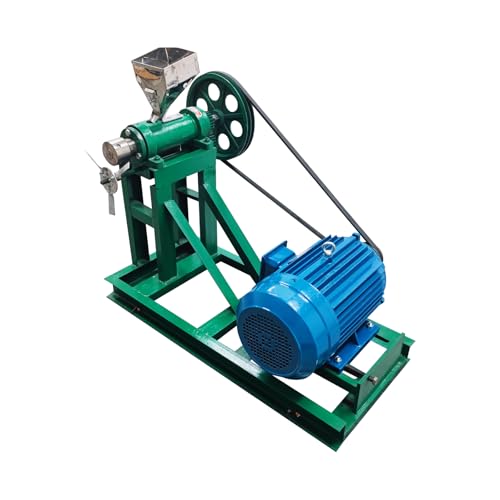
SWITCHABLE PROCESSING CONDITIONS:This machine features a composite spindle design to accommodate the extrusion processing requirements of various materials. Processing whole corn kernels and soybeans requires minimal auxiliary equipment, with convenient operation and maintenance. Processing conditions between dry and wet extrusion machines can be easily switched.

INDUSTRIAL POPCORN MACHINE - This popcorn popper is perfect for any medium sized commercial events, including concession stands, schools, camps, places of worship, parties, banks and storefronts

Large-Capacity 32 OZ Commercial Popcorn Machine: This 1550-watt theater-style popcorn machine features a 32-ounce stainless steel kettle, producing gallons of popcorn per batch. Whether for commercial events or office breaks, this retro popcorn stand delivers over 100 cups of theater-quality popcorn per batch, filling every popcorn bucket to the brim.
Nutritional Considerations: Oil and Air Popped

Considering the differences in texture between air-popped and oil-popped popcorn, we should now explore their nutritional aspects. Air-popped popcorn is a fantastic low-calorie snack, containing about 30 calories per cup. It’s also cholesterol-free and has no added sugars. This makes it a healthier choice, especially if we’re watching our calorie intake. Additionally, air-popped popcorn offers a good source of fiber, aiding digestion. On the other hand, stovetop popcorn made with oil usually carries more calories, depending on the oil type and quantity used. Choosing oils with a high smoke point, like coconut or avocado, helps maintain nutritional integrity. However, adding oil can reduce the fiber benefit. Furthermore, the ice production efficiency showcased in mini ice machines indicates that quick preparation methods can lead to enjoyable snacking experiences. So, we need to weigh our options carefully for the best snack.
Cleanup and Maintenance of Popcorn Makers

To maintain our popcorn makers effectively, we must understand their specific cleaning needs. Air poppers, like the Presto Poplite, need minimal cleanup, typically just a quick wipe down. In contrast, stovetop poppers, such as the Whirley Pop, may require soaking for stubborn oil residue and burnt kernels. Electric oil machines like the West Bend Stir Crazy often have dishwasher-safe parts, simplifying maintenance, but need deeper cleaning to remove grease from the popping chamber. Regular cleaning is essential as oil-based popcorn makers can accumulate grease, affecting flavor. Additionally, many espresso machines in 2026 require diligent upkeep to ensure optimal performance. When cleaning, it’s wise to use non-ammonia cleaners for glass and stainless steel components to prevent damage. By following these steps, we can keep our popcorn makers in top condition and enjoy delicious, crunchy popcorn!
Recommended Products

High-Performance 32-Ounce Commercial Popcorn Machine: This commercial-grade popcorn maker features a 1580W motor and a 32-ounce popcorn kettle. The large-capacity kettle allows for continuous popcorn production, meeting the demands of your busy food stall or gatherings with friends. The kettle preheats in just a few minutes, providing a steady supply of hot, fresh popcorn to satisfy every customer’s taste buds.
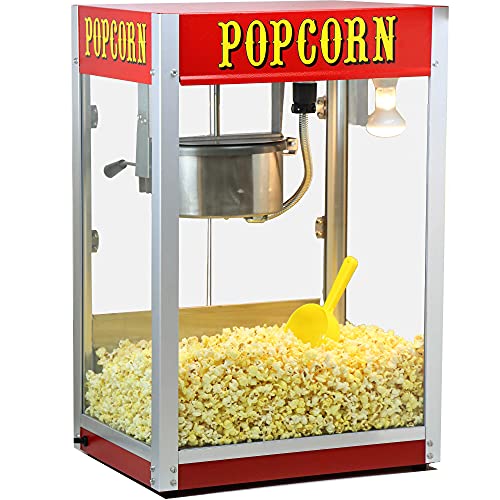
COMMERCIAL POPCORN MACHINE - The Paragon Theater Pop popcorn popper is perfect for any medium sized commercial events, including concession stands, schools, camps, places of worship, parties, banks and storefronts

Cast aluminum horn and pusher with two high grade stainless steel blades that are adjustable and easy to replace
Making the Right Choice for Your Tastes
When choosing the right popcorn maker for our tastes, we should evaluate the different options available. Stovetop popcorn makers provide the best flavor, thanks to oil that enhances taste and crispiness. These models allow us to customize flavors and oil ratios. Electric oil popcorn makers, like the West Bend Stir Crazy, produce crispy popcorn without unpopped kernels, delivering speedy results and rich flavor. For those seeking a healthier snack, air poppers like the Presto Poplite offer low-calorie popcorn with easy cleanup but may lack the rich taste of oil popcorn. Ultimately, our taste preferences are key: we should decide based on whether we enjoy buttery, crunchy popcorn or the lighter texture of air-popped varieties. Additionally, selecting a popcorn maker with advanced toasting technology can help achieve consistent results similar to specialized kitchen appliances.
Frequently Asked Questions
Is It Better to Air Pop or Oil Pop?
We think oil popping’s richer flavor and crunchiness beat air popping’s lower calories. Yet, air-popped popcorn’s quick preparation and seasoning options can be appealing. It’s all about balancing health differences with texture contrast and ingredient variations!
What Is the Best Tasting Oil for Making Popcorn?
We believe the best tasting oils for popcorn include coconut and avocado, both offering great flavor profiles and health benefits. Experimenting with gourmet popping oils and seasoning oil combinations can elevate our popcorn game tremendously!
Does Air-Popped Popcorn Taste Different?
Like comparing a whisper to a shout, air-popped popcorn does taste different. Its lighter texture and healthier profile may lack the rich flavor we get from oil, seasoning options enhance its taste, though. Let’s consider those factors!
How to Make Hot Air Popcorn Taste Better?
To make hot air popcorn taste better, we can explore flavor enhancements like spice blends, nutritional tweaks, and gourmet popcorn toppings. Let’s try butter alternatives, seasoning options, and creative recipe variations for a delightful crunch!


