As an Amazon Associate, we earn from qualifying purchases. Some links on this site are affiliate links at no extra cost to you. Our recommendations are based on thorough research and editorial judgment.


Mini Rice Cookers: Starch Rinsing, Ratios, and Texture Tuning

When using mini rice cookers, we should always rinse our rice to remove excess starch, which prevents gummy rice. For white rice, we typically use a 1:1.5 ratio of rinsed rice to water, while brown rice needs about 1:2. Measuring accurately is key. We can adjust cooking settings based on our preferred texture, ensuring fluffy rice in 20-30 minutes. By paying attention to these details, we optimize our cooking experience and achieve delicious results every time. More tips await!
Key Takeaways
- Rinse rice 1-2 times to remove excess starch for fluffy, non-gummy texture.
- Use a 1:1.5 rice-to-water ratio for white rice and 1:2 for brown rice.
- Ensure accurate water measurement using the provided plastic cup or cooker lines.
- Select appropriate cooking settings on mini rice cookers for desired rice texture.
- Allow rice to sit covered for 5 minutes post-cooking for optimal fluffiness.
The Importance of Starch Rinsing
When it comes to cooking rice, rinsing is essential for achieving the perfect texture. Starch rinsing removes excess starch, helping us avoid that gummy outcome. We should rinse the rice 1-2 times with cold water, swirling gently to keep some starch for certain types like sushi rice. This method involves about 30 rapid circular motions to minimize starchy water absorption, enhancing our cooking results. While it’s true that rinsing enriched white rice may cause nutrient loss, the improved texture and fluffy texture usually make it worthwhile. Rinsing the rice also guarantees even water absorption, leading to consistent cooking results in our rice cooker, optimizing the water to rice ratio for perfectly fluffy rice. Using a mini slow cooker can offer versatile cooking options that simplify meal prep and enhance flavors.
Understanding Water to Rice Ratios

Rinsing rice is just the first step toward achieving perfect results. Understanding the water to rice ratio is key to our success with different types of rice. For most white rice types, we use a ratio of 1 cup of rinsed rice to 1.5 cups of water. In contrast, for brown rice, we need 1 cup of uncooked rice to 2 cups of water because of its denser grain. Using the measuring cups that come with our rice cooker guarantees accurate water levels. We can make adjustments based on our own preferences; less water gives us firmer rice, while more water leads to softer textures. Mastering these ratios will truly help us fluff the rice and enhance our meals. Additionally, utilizing mini pressure cookers can further improve cooking efficiency and quality, making meal prep a breeze.
Choosing the Right Measurement Method

How can we guarantee our rice turns out perfectly every time? First, we need to choose the right measurement method. For mini rice cookers, we should always use the plastic measuring cup provided, which holds about 6 ounces or ¾ of a standard cup. This guarantees accurate water-to-rice ratios, typically 1:1.5. Next, we must rinse the rice 1-2 times until the water runs clear to remove excess starch. This helps prevent clumping and improves the texture of our cooked rice. After cooking, let the rice sit with the lid closed for 5 minutes, allowing moisture to redistribute throughout the grains. Always consult the water measurement lines in our specific cooker, as they may vary by model. Using the correct water measurement lines is crucial for achieving optimal cooking results.
Cooking Settings for Optimal Texture

To achieve perfectly textured rice, we can utilize the cooking settings available on our mini rice cookers. Most models allow us to select options for soft, regular, or al dente rice. For a fluffy texture, we should rinse the rice 1-2 times under cold water to remove excess starch. The ideal water-to-rice ratio is about 1 cup of rice to 1.5 cups of water, though this may vary. Cooking typically takes 20 to 30 minutes, ensuring proper water absorption and steam cooking. After cooking, using the keep warm function for an additional 5-10 minutes lets the rice steam further, enhancing texture. With these settings, we can tune the texture for perfect rice every time. Additionally, precision in temperature control is vital for achieving the desired results with various cooking methods.
Recommended Products

2.1 ULTRA HIGH-PRESSURE IH TECHNOLOGY – Experience the pinnacle of rice cooking with 2.1 bars of ultra-high pressure. This advanced Induction Heating (IH) system ensures faster cooking times and superior texture, delivering perfectly fluffy, "sticky," and delicious rice every time.

Experience superior flavor with high-power Induction Heating (IH) and a thick, spherical inner pot for even heat distribution. Customize your meals with multiple settings for white rice, brown rice, and even baby food. A special "Aged Cooking" mode further enhances taste. The advanced keep-warm system maintains perfect rice for up to 30 hours. Cleanup is simple with a self-cleaning function and a washable inner lid.
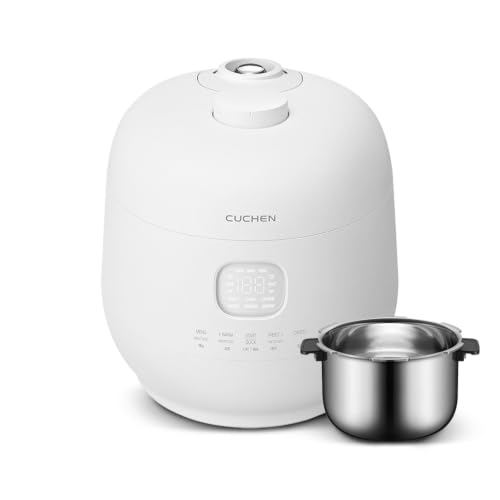
ULTIMATE RICE COOKER: For those with a discerning palate and a true passion for rice, your search is over. With a market share established over three decades and the expertise honed from manufacturing and selling more than a million units, we've crafted the ultimate rice cooker. If you have discerning taste or a genuine interest in rice, this investment is a wise one.
Adjustments for Different Rice Types

When cooking different types of rice, it’s crucial to adjust our approach for each variety. For long-grain rice, we typically use a rice to water ratio of 1:1.5. Brown rice needs about 2 cups of water per cup of rice. To achieve fluffy grains, we must rinse the rice one to two times to remove excess starch, especially for white rice. Sticky rice, however, should be rinsed minimally. When working with specialty rice like Arborio, we should check specific instructions for water ratios and soaking. Finally, after cooking, letting sticky rice rest in the inner pot for extra steaming enhances texture tuning. Additionally, using Fuzzy Logic technology can help ensure the rice is cooked perfectly, adjusting the cooking time as needed. Adjusting our methods guarantees each grain turns out just right, satisfying our culinary needs.
Tips for Multi-Dish Cooking
While we might think of mini rice cookers as simple appliances for cooking rice, they can actually serve as multi-tasking wonders in the kitchen. Their double-layer design allows us to steam vegetables above the rice, creating a complete meal. When we commence multi-dish cooking, it’s crucial to take into account cooking times. Start with the dish that takes the longest. Using separate measuring cups helps guarantee the proper ratio of water to rice, usually a 1:1 measurement. To achieve a fluffy texture, we should rinse rice multiple times to remove excess starch. Additionally, experimenting with seasonings or broth in the water can enhance flavor, making the entire meal more enjoyable and delicious. As a bonus, many mini rice cookers feature a Keep-Warm function that keeps dishes ready to serve without overheating.
Troubleshooting Common Issues
Even with the versatility of mini rice cookers for multi-dish cooking, issues can arise that affect our meal. If we find sticky rice clumping together, using a rice paddle to fluff it can help release excess moisture. A thorough rinse removes excess starch, improving texture. It’s crucial to adjust the water-to-rice ratio; too much water can lead to gummy rice, while too little might leave it undercooked. If we end up with uncooked rice or excess water post-cooking, it could indicate a need for maintenance on our cooker. For very small quantities, like less than one cup, let’s consult the manual; some models struggle with tiny amounts. Proper troubleshooting keeps our rice dishes perfect. Additionally, knowing the optimal water-to-rice ratio can greatly enhance the cooking results.
Frequently Asked Questions
What Is the Ratio of Rice to Water in a Mini Rice Cooker?
For our mini rice cooker, we typically use 1 cup of rinsed white rice to 1 to 1.5 cups of water, tailoring it to our taste. With brown rice, we prefer 1.5 to 2 cups for ideal texture.
What Is the 5 5 5 Rule for Rice?
The 5-5-5 rule for rice cooking involves 5 parts water, 5 parts rice, and a 5-minute rest. It enhances flavor, improves texture for various rice varieties, and lets us whip up quick, nutritious side dishes.
How to Cook Rice in a Mini Rice Cooker?
To cook rice in a mini rice cooker, we can explore various rice types and cooking techniques. Let’s experiment with ingredient variations for flavor enhancements and enjoy different texture differences, perfect for meal prep and easy serving suggestions!
Does Rinsing Rice Make It Less Starchy?
Rinsing rice can reduce starch markedly—up to 30%—improving texture and flavor. For certain grain types, this enhances water absorption and cooking times, though we must consider potential nutrient loss in our cooking techniques.


