As an Amazon Associate, we earn from qualifying purchases. Some links on this site are affiliate links at no extra cost to you. Our recommendations are based on thorough research and editorial judgment.


How Countertop Ice Makers Work: From Water to Cubes Explained

Countertop ice makers transform clean water into crunchy ice in just 10 to 20 minutes. First, we fill the water reservoir, usually around 2.65 liters. The machine pumps water into a freezing tray, where it’s chilled by metal prongs. In 5 to 15 minutes, ice cubes form. Heat exchangers then release the ice into a storage bin. These makers often produce 10 to 26 pounds of ice daily, perfect for drinks. Continue on to discover more features and benefits.
Key Takeaways
- Countertop ice makers start by manually filling the water reservoir with clean water.
- Water is pumped into a freezing tray, where metal prongs cool it to form ice.
- Ice typically forms within 5 to 15 minutes, depending on the model and settings.
- A heat exchanger warms the prongs to release the ice into a storage bin.
- Sensors manage temperature and water flow for optimal ice production efficiency.
Definition and Purpose of Countertop Ice Makers
Countertop ice makers are handy appliances that put convenience at our fingertips. Designed as portable ice makers, they produce ice quickly, often in just 10 to 20 minutes. These machines feature a built-in water reservoir that we manually fill with clean water, initiating the ice-making process. Unlike traditional models connected to plumbing, countertop ice makers enhance portability, making them perfect for homes, picnics, or tailgating. With ease of use, we can enjoy a steady supply of ice. Different models produce various ice sizes and shapes, from crunchy nugget styles to classic cubes. This versatility allows us to tailor our ice for every drink, from fizzy sodas to smooth cocktails. Enjoying fresh ice has never been easier! Additionally, many modern models boast self-cleaning features that simplify maintenance.
Benefits of Using a Countertop Ice Maker

Having the right tools in our kitchens can make a big difference. A countertop ice maker allows us to enjoy quick ice production, often ready in just 10 to 20 minutes. This portable appliance eliminates the need to buy bags of ice, providing us with a continuous supply after the initial purchase. We can easily move it for outdoor gatherings or use it in our RVs thanks to its compact design. Most models come with varied ice shapes, such as cubes and nuggets, catering to our preferences. Additionally, many include self-cleaning functions and user-friendly controls, ensuring simple operation and maintenance. With a convenient water reservoir, keeping our drinks cold has never been easier or more efficient. These ice makers can produce between 26 to 35 lbs of ice daily, ensuring sufficient supply for all occasions.
Recommended Products
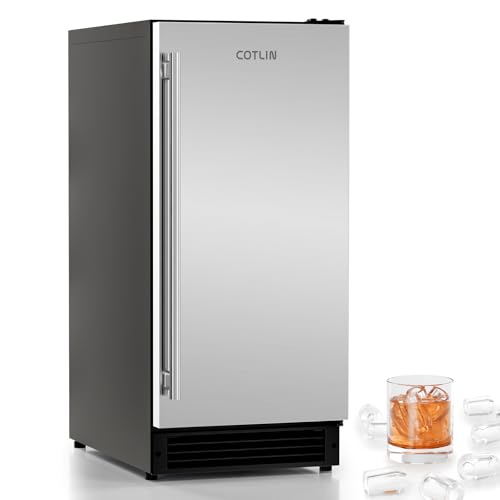
【Crystal Clear Bullet Ice】Featuring advanced spray-type ice-making technology, this under counter ice maker consistently produces clear, full-bodied bullet ice with minimal air bubbles. The slow-melting ice helps preserve the original flavor of premium drinks, making it ideal for whiskey, cocktails, and other beverages. With a 26 lb ice storage capacity, it easily meets the demands of home entertaining and gatherings.
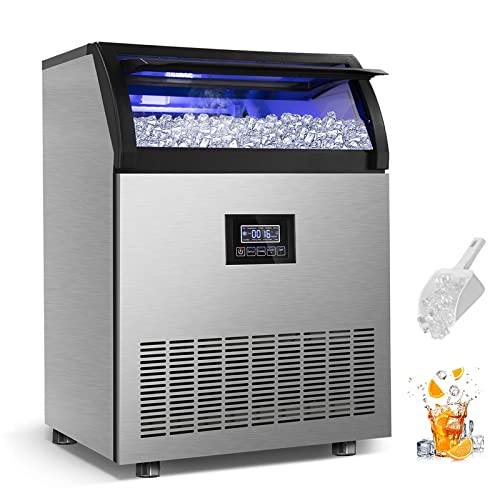
【INTELLIGENT CONTROL PANEL】- The ice maker machine is equipped with a smart LCD panel, which possesses multiple functions, including self-cleaning, defrosting, time reservation, adding water indicator, ice full indicator, lack of water protection function, intelligent temperature control, malfunction reminders (indicators), etc. The ice-making time and ice thickness of the ice cubes can be adjusted by pressing the (+) or (-) buttons. (NOTE: Keep the ice machine upright for 24h before first use.)

OPAL NUGGET ICE, THE GOOD ICE - Serve up chewable, crunchable, craveable nugget ice that's ready fast and retains its flavor, unlike traditional hard cubes; Refreshing nugget ice is made from compacted ice flakes and is perfect for cocktails, sodas and other beverages
Overview of the Working Process

To start the ice-making process, we need to manually fill the water reservoir with clean water. This initiates the efficient operation of our portable ice maker. Once filled, water gets pumped into the freezing tray. Metal prongs cool down through the refrigeration system, causing ice to form. Depending on the model, ice cubes are ready in about 5 to 15 minutes. When they’re done, a heat exchanger warms the prongs just enough to release the cubes. They drop into the insulated storage bin, keeping them fresh and cold. This independent operation means we can enjoy crunchy ice in various settings, like our kitchens, RVs, or even at outdoor events, without needing a water line. It’s interesting to note that energy efficiency is an important consideration for ice makers, as it impacts the overall operating costs.
Differences Between Countertop and Traditional Ice Makers

When comparing countertop ice makers to traditional models, several key differences stand out. Countertop ice makers are compact and portable, making them ideal for limited spaces. They utilize a water reservoir that we must fill manually, unlike traditional ice makers connected to a permanent water supply. Ice production cycles for countertop units are impressively quick, generating ice in just 10 to 20 minutes, while traditional models operate on much longer cycles. Additionally, countertop ice makers generally have lower energy consumption because of their simpler design. Furthermore, maintenance and cleaning are more straightforward, as many countertop models feature detachable components, while traditional machines can have complex filter systems requiring more effort. This simplicity makes countertop options attractive. Many countertop ice makers also utilize advanced technology for energy-efficient designs, ensuring minimal power usage during operation.
Recommended Products

【100 lbs Daily Output – Light Commercial Use】This countertop commercial nugget ice maker produces 100 lbs of soft, chewable ice per day — over 4,500 nuggets or 350+ drinks — with a 12‑lb storage bin. A fresh batch every 8‑15 minutes. Designed for light commercial use: a busy cafe, a crowded office breakroom, a small restaurant, or daily home use. No waiting, no running out.

ULTRA-FAST NUGGET ICE MAKING:Get your first batch of crunchy, chewable nugget ice in just 6 minutes. This powerful ice maker machine produces up to 100lbs of pebble ice per 24 hours, ensuring a continuous supply of "Sonic ice" that retains flavors and provides the perfect crunch for cocktails and sodas.
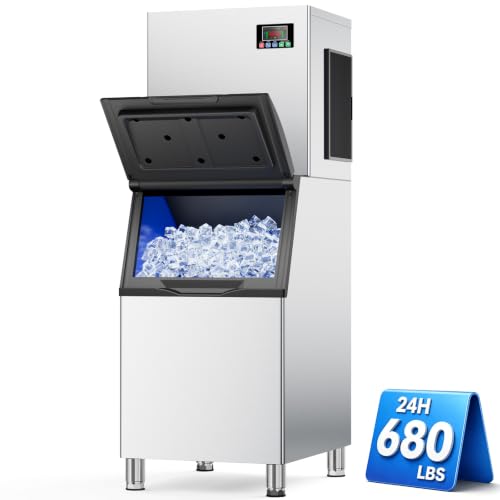
High Daily Ice Production for Busy Commercial Operations – Produce up to 680 lbs of ice every 24 hours with this Commercial Ice Maker Machine, paired with a 560 lb insulated storage bin to keep ice readily available during peak business hours. Ideal for restaurants, bars, hotels, seafood markets, cafés, and event venues.
Key Components of a Countertop Ice Maker

Understanding the key components of a countertop ice maker helps us maximize its use in our kitchens. First, we have the water reservoir, typically holding around 2.65 liters of clean water for ice production. The cooling mechanism can either be a compressor or thermoelectric system that effectively lowers the temperature to freeze the water into ice cubes. Ice forms in specialized ice trays, which vary in shape based on the model. Sensors regulate temperature and monitor water flow, ensuring peak production. Finally, the integrated ice storage bin holds freshly made ice cubes until we need them. By knowing these components, we can appreciate how our countertop ice makers transform water into crunchy ice for our fizzy drinks or casual gatherings. Additionally, many models feature self-cleaning options that simplify maintenance and enhance the overall user experience.
Step-by-Step Process of Making Ice
Making ice with a countertop ice maker is a straightforward process that typically takes just 5 to 15 minutes. First, we need to fill the water reservoir, which holds about 2.65 liters. The ice maker then pumps water through a filter into the ice tray. Metal prongs, filled with refrigerant, freeze the water into cubes or nuggets. This rapid cooling lowers the water temperature below freezing. Once ice forms, the heat exchanger gently warms the prongs. This helps release the ice cubes into the storage bin. Excess water returns to the reservoir for continuous production. Additionally, many models offer the convenience of self-cleaning features, ensuring hygiene and efficiency without hassle, thanks to this efficient step-by-step process of making ice. We enjoy crunchy ice for our drinks, all without hassle, thanks to this efficient step-by-step process of making ice.
Recommended Products

New bite-sized nugget boasts 85% ice content

10 lb bin storage capacity: The 10 lb bin storage capacity ensures that there is always enough ice on hand for your customers or guests.

Dispenses ice & water for unparalleled convenience: Commercially approved nugget countertop ice and water dispenser ideal for use in hospitals, clinics, break rooms, and similar settings. ETL-S listed to NSF-12 commercial standards. Three dispenser functions - ice, water, or ice+water.
Features to Look Out For in a Countertop Ice Maker
Choosing the right countertop ice maker depends on various features that meet our needs. Look for models with an ice production rate of 10 to 20 minutes per cycle, ensuring we can quickly make ice when we need it. Machines that offer adjustable ice sizes allow us to customize our cubes for different drinks, whether they’re fizzy sodas or smoothies. A water reservoir should be easily accessible for refilling and cleaning. Speaking of cleaning, we need models designed for simple maintenance. A portable design makes it easy to move the ice maker around while maintaining functionality. Additional features like timers and self-cleaning functions enhance usability and can lower energy costs over time, making our ice-making experience more efficient. Additionally, considering easy cleanup with non-stick coatings can significantly improve the overall experience of using kitchen appliances.
Recommended Products

Commercial nugget ice maker, Ice and Water Dispenser with Storage (HID312A-1+HST16B-A): Produces up to 260 lb of H2 Nugget Ice every 24 hours, ideal for facilities requiring a continuous and ample ice supply.

Autograph Edition Series - Enjoy a timeless look in your kitchen with 4 luxurious Champagne Bronze traditional handles, giving your counter-depth refrigerator an elegant, unmatched style

2000Lbs Daily Ice Production for Commercial Demand: Built for high-volume commercial environments, this ice maker machine produces up to 2000 lbs of ice every 24 hours and stores up to 1003 lbs of ice at a time. Designed to support restaurants, bars, cafes, hotels, kitchens, and event venues during peak business hours without interruption.
Various Uses for a Portable Ice Maker
Portable ice makers are incredibly versatile tools that we can use in various settings. They provide easy access to ice right from our kitchen countertop during parties, making drink serving quick and enjoyable. For our basement bars, a portable ice maker guarantees a convenient ice supply for social gatherings and BBQs. When we’re camping or in RVs, these devices produce ice efficiently, despite limited fridge space. Food trucks and boats also rely on portable ice makers for fresh water without needing a hook-up, supporting food preservation for our supplies. Additionally, event spaces like recreational centers enhance guest experiences, offering readily available ice for various activities and catering needs, assuring we can always keep drinks cool. These makers typically produce high daily output of around 26 pounds, ensuring we have enough ice for any occasion.
Cleaning and Maintenance Tips
Keeping our portable ice maker clean is vital for peak performance and longevity. To maintain it, we should clean the water reservoir by mixing equal parts water and white vinegar for thorough self-cleaning. This helps eliminate mineral buildup. Regularly empty the ice bucket by unplugging the machine, draining residual water, and wiping it with warm, soapy water. For the outer casing, a damp cloth with mild soap works well; make sure to dry it thoroughly to prevent moisture-related issues. The control panel can be gently cleaned with a damp cloth, avoiding soap to prevent damage. Routine maintenance, including periodic cleaning, is essential for ideal performance and prolonging the lifespan of our countertop ice maker. Additionally, using self-cleaning features can simplify the upkeep process and ensure consistent ice quality.
Considerations Before Purchasing a Countertop Ice Maker
What factors should we keep in mind when shopping for a countertop ice maker? First, we should assess the ice production rate, as it typically ranges from 10 to 25 pounds of ice per day. Next, we’ll want a water reservoir that fits our needs; most portable ice makers hold around 2 to 2.65 liters of water for continuous production. It’s also essential to look for adjustable ice size settings, which let us customize ice for crunchy drinks or fizzy cocktails. Energy efficiency is vital, especially for long-term use in quiet settings. Finally, consider models with self-cleaning options, which make maintenance easier, and check for alarms that notify us when the ice bin is full. Additionally, energy savings should be considered, as these appliances can facilitate efficient ice production.
Frequently Asked Questions
How Does a Countertop Ice Cube Maker Work?
Countertop ice makers use refrigeration mechanics and cooling cycles, enhancing energy efficiency in the ice production process. We recommend checking popular brands and following user maintenance tips for ideal storage capacity and performance.
Do Countertop Ice Makers Need a Water Source?
No, countertop ice makers don’t need a fixed water source. With a portable water supply, we manually fill the reservoir, ensuring efficient ice cube storage while enjoying energy-efficient home ice solutions that require minimal maintenance.
Is It Just Water in Reusable Ice Cubes?
No, it isn’t just water in reusable ice cubes. They often use alternative materials filled with non-toxic gel for ideal temperature effects. These eco-friendly options come in various shapes, offering excellent storage solutions without health concerns.
How Does an Ice Machine Work Step by Step?
Picture a mini freezer working its magic: we’ll guide you through the ice production process. It starts with a water supply system, followed by freezing mechanisms, cooling cycles, ice formation stages, and finally, the cube harvesting process.


