As an Amazon Associate, we earn from qualifying purchases. Some links on this site are affiliate links at no extra cost to you. Our recommendations are based on thorough research and editorial judgment.


Extending Appliance Lifespan: Duty Cycles and Rest Periods

To extend appliance lifespan, we should understand duty cycles and rest periods. For example, washing machines need at least a 30-minute break after heavy loads to cool down and reduce motor strain. Refrigerators work best when allowed to cycle without frequent door openings. We must also clean coils every six months and watch for overheating signs. Proper use protects our investments, allowing appliances to run efficiently. Keep going to discover more helpful tips.
Key Takeaways
- Follow recommended duty cycles for appliances, such as 30-minute rests for washing machines, to reduce stress on components.
- Incorporate regular downtime to prevent overheating and prolong the lifespan of major appliances like dishwashers and microwaves.
- Monitor appliance performance for signs of strain, such as unusual sounds or longer cycle times, indicating a need for breaks.
- Maintain appliances by cleaning refrigerator coils and checking water pressure to enhance efficiency and prevent wear.
- Use surge protectors to safeguard appliances from electrical surges and extend their operational lifespan.
Understanding Duty Cycles in Appliances
When we talk about duty cycles in appliances, understanding their importance is essential for maintaining performance and longevity. Duty cycles define how long an appliance can operate effectively before needing a rest period. For instance, a washing machine’s duty cycle is usually around 30 minutes for heavy loads. This keeps the motor from overheating and reduces repair needs. Additionally, refrigerators are designed with energy-efficient compressors that turn on and off, allowing for natural rest periods. By respecting these recommended duty cycles, we can markedly lower the chance of malfunctions, which can compromise appliance lifespan. Ultimately, following manufacturer guidelines not only guarantees our appliances run smoothly but also contributes to a longer lifespan and better overall performance. Proper motor power management during usage is crucial to achieving the best results and minimizing wear over time.
The Importance of Rest Periods

Maintaining appliances isn’t just about their duty cycles; it’s also about incorporating regular rest periods. Scheduled rest periods are essential for prolonging appliance lifespan and effective maintenance. For instance, letting your washing machine rest for at least 30 minutes between cycles allows it to cool down properly and reduces motor strain. This downtime is vital to prevent component failure caused by overheating. Regular use without breaks can lead to damage in electronics and circuitry. Additionally, adequate rest can improve energy efficiency; appliances that aren’t constantly running consume less power. For refrigerators, allowing internal components to reach ideal temperatures after heavy use prevents excessive strain on motors and compressors, ultimately extending their functional life. Prioritize rest for your appliances! Moreover, incorporating rapid boiling capabilities in kettles can also contribute to efficient operation and minimized energy use during their active duty.
Common Appliances That Benefit From Timing

Timing is everything for our kitchen and laundry heroes. Washing machines need rest periods after heavy loads; overloading them strains the motor and reduces their lifespan. Dishwashers also benefit from breaks between cycles. Continuous use can cause thermal stress and accelerate wear and tear. Refrigerators thrive on regular cycling. Keeping the door closed allows the compressor to rest, optimizing operational efficiency. Microwaves should cool down between uses to prevent overheating and extending lifespan. Ovens, especially electric models, need cooldown periods to reduce excessive heat buildup that can degrade wiring. By using these maintenance tips for common appliances, we can guarantee proper care, enhance service longevity, and extend their life cycle. Additionally, utilizing appliances like air fryers with compact designs ensures a more efficient kitchen experience. Let’s be mindful of timing for better performance!
Recommended Products

All-in-One Solution: Combines a powerful convection oven with a sturdy equipment stand for added convenience.

{DOUBLE DECK CONVECTION OVEN} Perfect for high volume applications, this durable and reliable commercial double stack convection oven is built for long lasting use in busy commercial kitchens! Two independently controlled convection ovens with compatible stacking kit and casters

Precise Temperature Control: Each oven is equipped with manual controls and a mechanical thermostat, this oven allows you to easily set temperatures from 150°F to 500°F, perfect for a wide range of cooking tasks.
Tips for Effective Appliance Use and Maintenance

Effective appliance use and maintenance can greatly enhance the lifespan of our household devices. First, let’s practice proper maintenance. We should clean our refrigerator coils every six months to prevent dust buildup. It’s vital to adhere to load limits; overloading washing machines strains motors and shortens their appliance lifespans. We can also install a water softener to reduce mineral buildup in water-using appliances, enhancing performance. Monitoring water pressure is important too; keeping it between 70-80 psi helps prevent hose damage. Finally, let’s utilize surge protectors to shield control boards from power surges, which often lead to costly repairs. By addressing minor issues early and scheduling yearly service, we can effectively extend the life of our appliances without constantly replacing them. Additionally, battery life management in electronic devices can significantly affect their longevity and efficiency.
Recommended Products
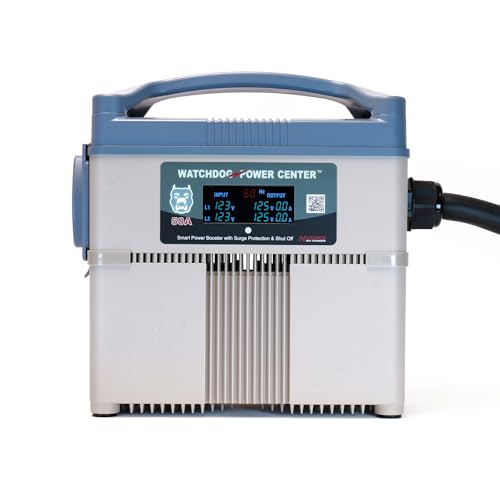
ALL-IN-ONE RV POWER REVOLUTION: The most complete 50-Amp power protection system, combining massive Surge Protection with patented Voltage Boosting Technology to safeguard your RV from dangerously low (brownout) and high voltage spikes at any campground.

Ultra-Linear Noise-Dissipation: Ensures consistent noise reduction for black backgrounds and detailed sound

Easy to install - Few screws needed, modules snap into place
Signs That Your Appliance Needs a Break

How can we tell when our appliances need a break? Appliance experts recommend watching for specific signs. If an appliance starts to overheat, or you hear unusual grinding or squeaking sounds, it may need rest. Frequent tripping of circuit breakers or blown fuses indicates it’s working too hard. Continuous operation that leads to poor performance—like longer cooking times or reduced cleaning efficiency—also suggests a break is necessary. Additionally, if you see service errors or warning lights more often, these signals of overload can’t be ignored. Physical signs of wear, such as warping or rust, might mean it’s time for periodic maintenance. Addressing these signs early can help prolong your appliance’s lifespan and keep it running efficiently. Furthermore, just as specific dilution rates can affect how your drinks taste, avoiding overstrain on your appliances can ensure they maintain optimal performance.
Recommended Products

Heavy-duty 1 HP induction motor

Precision machined wear sleeve

【3600Wh 3600W Solar Generator】OSCAL PowerMax 3600 SE power station with solar panel has 3600Wh large capacity and provides 4*AC output, 3600W(Surge 7200W), ensuring that any appliance can find its match with this device. In the case of an unplanned outage, all the charging outlet demands of the family will be satisfied with its 14 outlet sources. Whether camping, working outdoors, or facing an emergency, this power generator can provide stable power.
Frequently Asked Questions
What Is the 50 50 Rule for Appliances?
The 50/50 Rule suggests when repair costs exceed half the new appliance’s price, we should consider replacement. This approach helps us save on energy efficiency and maintenance while aligning with warranty guidelines and safety tips.
Which Cannot Be Used as a Reason to Extend the Appliance Repair Deadline?
We can’t use appliance breakdown causes as a reason to delay repairs; instead, we should address maintenance best practices and recognize our homeowner responsibilities, considering repair cost factors and appliance technology advancements for better efficiency.
Will Appliances Get More Expensive in 2026?
Yes, we expect appliance prices to rise in 2026 due to inflation impact analysis, technology advancements, and shifts in consumer behavior. Market prediction models indicate competitive landscape changes influenced by global supply chains and energy efficiency standards.
What Is the Average Lifespan of Appliances?
The average lifespan of appliances ranges from 8 to 20 years. We should consider maintenance tips, warranty options, and smart appliance benefits to enhance kitchen appliance longevity and recognize signs of replacement for cost-effective repairs.


