As an Amazon Associate, we earn from qualifying purchases. Some links on this site are affiliate links at no extra cost to you. Our recommendations are based on thorough research and editorial judgment.


Electrical Safety: GFCI Outlets and Grounding for Kitchen Appliances

GFCI outlets are essential for kitchen safety, preventing electrical shocks near water sources. They cut off power in as little as 1/40th of a second. We should install GFCIs for all countertop outlets and those within six feet of sinks, following NEC regulations. Monthly testing is important for ensuring functionality. Older homes may need GFCIs marked “No Equipment Ground.” By understanding GFCI installation and maintenance, we can better protect our families and homes from electrical hazards.
Key Takeaways
- GFCIs protect against electrical shocks, especially near water sources, by quickly interrupting circuits in as little as 1/40th of a second.
- National Electrical Code mandates GFCI outlets for all countertop outlets and those within six feet of sinks in kitchens.
- Regularly testing GFCIs monthly by pressing the Test button ensures they function properly to prevent electrical hazards.
- Ground faults pose significant risks, as they can cause electric shocks when stray currents travel through people.
- Proper installation and maintenance of GFCIs are essential for kitchen safety, especially for appliances with heating elements.
Importance of GFCIs in Kitchen Safety
When we think about kitchen safety, installing Ground Fault Circuit Interrupters (GFCIs) is vital. These safety devices protect us from electrical shocks, especially near water sources. GFCIs can detect any current imbalance and interrupt the circuit in as little as 1/40th of a second. This rapid response can prevent serious injuries while using kitchen appliances. The National Electrical Code mandates GFCI outlets for countertops and any outlet within six feet of a sink. By ensuring these outlets are installed, we can comply with safety regulations and minimize risks. Monthly testing is essential to guarantee their functionality. Installing GFCIs in our kitchens ultimately secures our environment, providing peace of mind while we cook and enjoy our fizzy drinks or crunchy snacks. Additionally, many kitchen appliances like microwaves, which come with energy efficiency modes, benefit from proper grounding to ensure they operate safely and effectively.
Required Locations for GFCI Outlets in Kitchens

GFCI outlets are vital for maintaining safety in our kitchens. GFCI protection is required for all countertop outlets, especially within six feet of a sink or any water source. This helps protect against electric shock in wet areas. GFCI receptacles must also be used for kitchen appliances, like toasters and blenders, to reduce ground fault risks. According to the National Electrical Code, all newly installed kitchens must adhere to these GFCI requirements to meet electrical safety standards. Additionally, regular testing of GFCI outlets is important. We should check these devices monthly to guarantee they’re functioning properly and continue to protect against electric shock. Prioritizing these guidelines helps keep us safe while using our kitchens. It’s essential to consider the energy-efficient models available, as they can greatly reduce the risk after a power surge or fault.
Recommended Products
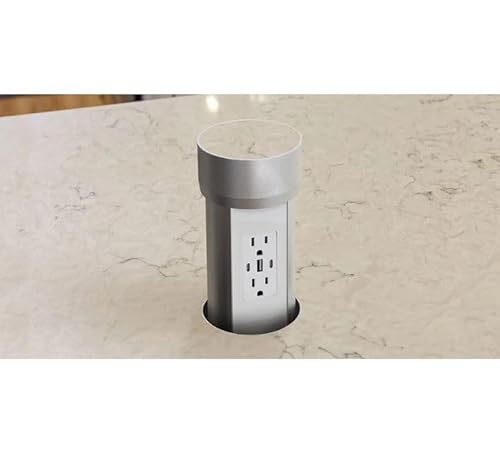
"Hidden" Installation - Uses Your Countertop as the lid

100% SAFETY & AUTOMATIC SELF-TEST - Protect your home with the Kcmytoner gfci outlet 15 amp with usb. This advanced usb gfci outlet provides continuous ground fault protection, detecting and tripping actual ground faults within 20 milliseconds (0.02 seconds). ETL listed, features an auto self-test every 2 minutes for ongoing safety monitoring. Clear LED indicator keeps you informed: green for normal, flashing red for self-testing, solid red for trip, and off for fault.For ultimate peace of mind

Selectable 5CCT from 2700K to 5000K – Customize light output to match surrounding surfaces, ambient tone, or workspace needs at the time of installation with built-in switch control
Understanding Ground Faults and Their Risks

Have you ever thought about how electrical currents can take unexpected paths? Ground faults pose significant risks, especially in kitchens where moisture increases hazards. When currents stray due to a ground fault, they may travel through a person, leading to electrical shocks. Thankfully, GFCI protection helps combat this issue. Ground-fault circuit interrupters are designed to detect current imbalances as small as 5 milliamperes and swiftly cut off power. The National Electrical Code mandates GFCI protection for outlets within six feet of sinks in kitchens. This precaution is crucial for safety around electrical appliances. Notably, kitchen devices like air fryer toaster ovens can increase the risk of ground faults due to their heating elements. To confirm effective GFCI protection, we should test our outlets at least once a month, ensuring they function properly to prevent potential electrical hazards in our homes.
Proper Installation and Maintenance of GFCIs

Guaranteeing safety in the kitchen starts with proper installation and maintenance of GFCIs. GFCI protection is required for all countertop outlets and any outlet within six feet of a sink. We should install GFCIs in areas where water poses a risk. A properly installed GFCI features test and reset buttons, which are vital for functionality. Monthly testing is essential; pressing the Test button should trip the circuit. In older homes, we can still install GFCIs, but we must label them with “No Equipment Ground” to indicate the lack of grounding. If a GFCI fails to reset or trips frequently, it may be worn out. Regular checks guarantee it protects people by managing the amount of current safely. Additionally, using appliances such as space-saving appliances can help ensure that your kitchen remains organized and clutter-free while complying with electrical safety standards.
Testing and Troubleshooting GFCI Outlets

After making sure our GFCIs are installed and maintained correctly, it’s time to focus on testing and troubleshooting them. We should test our GFCI outlets monthly by pressing the TEST button. This action trips the outlet, cutting off power. If it doesn’t reset after pressing the RESET button, it likely needs replacement. Frequent tripping can indicate an underlying problem, such as a ground fault or a faulty appliance. In high-use areas like kitchens, where moisture is present, regular inspections are essential. We also need to label GFCI outlets without grounding wires with a “No Equipment Ground” sticker. Remember, GFCI protection is required to safeguard us from electrical shock when using power tools and other appliances. Additionally, effective grease drainage can enhance safety by reducing the risk of slips and falls in the kitchen due to unwanted spills.
Recommended Products

PLUG-IN, NO ELECTRICIAN: EVIQO Level 2 EV charger with a max output of 40A on a dedicated 50A / 240V circuit fully recharges most EVs overnight. This wall-mounted plug-in model requires an EV-graded 4-prong NEMA 14-50 outlet (same style as an RV or range outlet - NOT a dryer outlet). Verify your vehicle's connector type and home electrical setup before ordering.

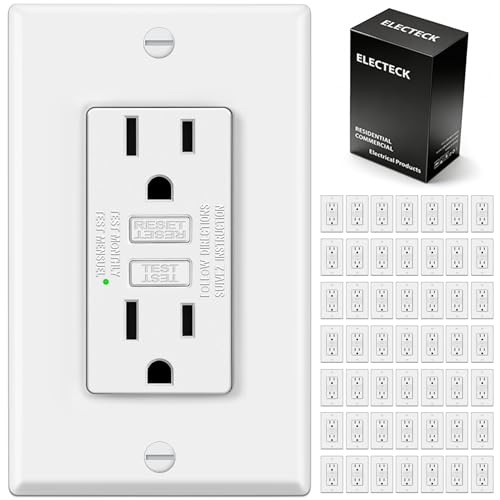
15 amp Non-Tamper Resistant Ground Fault Circuit Interrupter (GFCI) outlet receptacle for indoor use. Please kindly check if the depth of electrical box can fit our GFCI outlets before purchasing.
Compliance With National Electrical Code Regulations
When we tackle electrical safety in our kitchens, it is crucial to understand the National Electrical Code (NEC) regulations governing GFCI outlets. The NEC mandates that GFCI protection is required for all receptacles on kitchen countertops and those within 6 feet of a sink. This rule helps prevent ground fault circuit issues and potential shocks from water exposure. Additionally, as of the 2023 NEC updates, types of GFCIs must now protect plug- and cord-connected kitchen appliances. We should also remember that any modifications to electrical systems in our homes must comply with current GFCI regulations. Even without grounded wiring, GFCI outlets can still function if marked with a “No Equipment Ground” label. To ensure your kitchen appliances operate efficiently, consider using high-efficiency motors like those found in electric ice crushers that can produce quick results without compromising safety.
Upgrading Older Homes for Electrical Safety
Upgrading our older homes to meet modern electrical safety standards is essential for protecting our families. In homes built before GFCI regulations, installing GFCI outlets is important. Particularly in areas like kitchens, bathrooms, and laundry rooms, GFCI protection is required to prevent electrical shocks where water and power might intersect. We should consult licensed electricians to assess our wiring systems and recommend upgrades, focusing on proper grounding practices. Many homes, especially older ones, may lack necessary grounding, increasing risk. Regularly testing new GFCI outlets is also essential; older wiring can be unpredictable. By enhancing our homes with these safety measures, we guarantee compliance with electrical safety standards and greatly reduce the risk of hazards. Additionally, using electrical appliances like removable nonstick plates ensures a safer kitchen environment.
Frequently Asked Questions
Is It Code to Have GFCI Outlets in Kitchen?
Yes, it’s crucial we install GFCI outlets in kitchens to meet electrical code compliance. These outlets boost kitchen safety regulations, protect appliances, and necessitate regular GFCI testing procedures to guarantee peak functioning within our homes.
Do Kitchen Outlets Need to Be Grounded?
Yes, kitchen outlets need to be grounded for outlet grounding importance. It enhances kitchen wiring safety, aids in electrical shock prevention, meets home electrical codes, and upholds appliance safety standards through effective ground fault protection and circuit breaker functions.
What Kitchen Appliance Is Required to Be GFCI Protected?
It is understood that appliances like blenders and food processors must be GFCI protected due to water exposure. Understanding electrical codes and GFCI outlet benefits can enhance appliance safety, surge protection, and lifespan during kitchen remodeling.
What Should Not Be Plugged Into a GFCI Outlet?
Using a GFCI outlet for appliances like toaster ovens and microwave risks tripping, much like a tightrope walker wobbling. We should avoid using electric mixers, slow cookers, and blenders on these outlets for safety.


