As an Amazon Associate, we earn from qualifying purchases. Some links on this site are affiliate links at no extra cost to you. Our recommendations are based on thorough research and editorial judgment.


Power Consumption of Countertop Ice Makers: A Practical Guide

Countertop ice makers typically consume between 100 to 200 watts, averaging around 120-160 watts. This translates to annual operating costs of $50 to $100, based on a rate of $0.15 per kWh. They produce ice within 5 to 15 minutes and can use up to 2 kWh daily. To minimize costs, consider ENERGY STAR models, monitor daily usage, and maintain units regularly. Curious about the best practices for saving energy with your ice maker?
Key Takeaways
- Countertop ice makers typically consume between 100 to 200 watts, averaging about 120 to 160 watts during operation.
- They require a standard 120V/60Hz outlet and usually draw about 3 amps of power.
- Annual electricity usage is estimated between 365 to 730 kWh, costing approximately $50 to $100.
- Using ENERGY STAR certified models can reduce energy costs by about 15%.
- Energy efficiency can be improved by using colder water, regular maintenance, and keeping the unit away from heat sources.
What Is a Countertop Ice Maker?
A countertop ice maker is an essential tool for anyone who loves having ice on hand for drinks or food preservation. These portable ice makers provide convenience, producing different ice shapes like nuggets, bullet, or cubes. With a power consumption between 100 and 200 watts, they’re relatively energy-efficient compared to larger models. Most units operate on a standard 120V/60Hz outlet and use around 3 amps of electricity. They can create ice in as little as 6 to 15 minutes once water’s added. Depending on how often we use them, annual electricity usage can range from 365 to 730 kWh. This results in operational costs between $50 to $100 yearly, making them a practical choice for any household or event. Additionally, many models are designed to be energy-efficient options that optimize motor usage to lower energy bills.
Typical Power Consumption of Countertop Ice Makers

When it comes to understanding power consumption, countertop ice makers stand out for their efficiency. These ice makers typically consume between 120 to 160 watts of power during operation. On average, daily energy usage can reach up to 2 kWh, leading to an annual consumption of about 365 to 730 kWh. This energy usage is considerably lower than conventional refrigerators, which use between 300 and 800 watts. For example, a 150-watt model operating for 8 hours a day results in an estimated annual cost of $64.80, assuming a rate of $0.15 per kWh. Consequently, running costs for portable ice makers can range from $50 to $100 per year, depending on usage frequency and local electricity rates. Additionally, clear ice makers often utilize directional freezing technology to produce high-quality ice while maintaining efficient energy consumption.
Recommended Products

Commercial nugget ice maker, Ice and Water Dispenser with Storage (HID207AX-1+HSTCD16-A): Produces up to 196 lb of nugget-style, Original Chewable Ice daily, ensuring a consistent and ample supply for demanding environments.
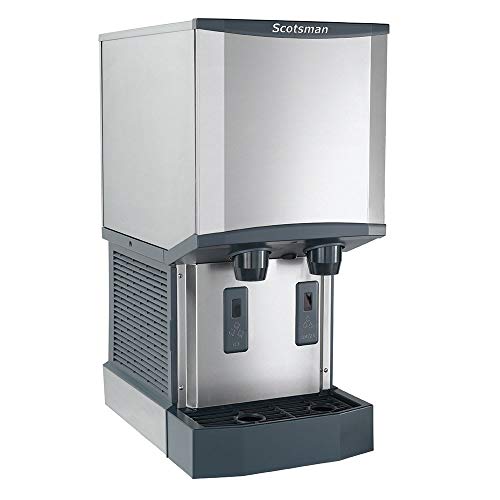
Up to 260 lbs. Of ice production in 24 hours, with storage capacity of up to 12 lbs

Up to 51 lbs of ice produced per 24 hours
Factors Influencing Energy Usage

While there are many factors that influence the energy usage of ice makers, understanding these can help us make informed choices. First, ambient temperature affects electricity consumption; a warmer environment forces the compressor to work harder, increasing energy usage. Second, the frequency of use directly impacts how much power we’re going to consume. The more often we need ice, the more energy our maker requires to keep up. Finally, insulation efficiency is vital. Better insulation reduces energy usage by maintaining colder temperatures with less effort, while poor insulation leads to more running cycles and higher electricity consumption. By keeping these factors in mind, we can select ice makers that suit our lifestyles and save on costs over time. Additionally, similar to the impact of non-stick coatings on air fryer baking pans, efficiency in energy use can significantly enhance the overall performance of your ice manufacturing experience.
Recommended Products

Commercial Grade Use - Euhomy commercial ice maker offers over 400 pounds/24h ice production, providing efficient ice for your business operations. With the first-calss SECOP compressor, the commercial ice machine produce ice in just 10-15 minutes, and the thickness of ice cubes can also be adjusted according to different purposes. Whether it's a hotel, restaurant, bar, or coffee shop, it can meet your demand for large-scale ice production

Efficient Ice Popsicle Making: Equipped with a high-quality brand compressor, VEVOR commercial popsicle machine can efficiently produce ice pops in 10-20 minutes at a stable pace(The first shift takes about 40 minutes to pre-cool),, within the ambient temperatures ranging from 41 to 100.4°F. Operating with minimal noise and energy consumption, it ensures a smooth production process.

Counter Depth Design Creates A Sleek Built-in Look
Real-World Cost Calculations

Understanding the real-world costs of operating an ice maker can lead to considerable savings. A typical countertop ice maker consumes between 120 to 160 watts. If we use it for 8 hours daily at 150 watts, our annual electricity cost could reach about $64.80, given a rate of $0.15 per kWh. Energy-efficient models, like those certified by ENERGY STAR, can reduce these costs by 15%. The factors we should consider include power consumption and the water reservoir temperature, both influencing our electricity bill. With daily usage hitting 2 kWh, our utility bill will vary considerably. By understanding these specific metrics, we can optimize our usage and make informed decisions for our budgets. Additionally, opting for an ice maker with self-cleaning features can also help in maintaining efficiency and prolonging the appliance’s lifespan.
Tips for Reducing Energy Consumption

We can implement several practical strategies to lower the energy consumption of our ice makers. First, let’s turn off the unit when it’s not in use. This simple action saves electricity and prevents unnecessary operational cycles. Next, if we use colder water in the reservoir, it will require less energy for freezing, ensuring efficiency. We should also position our ice maker away from heat sources like ovens and direct sunlight. Cooler ambient temperatures help optimize performance. Regular cleaning and maintenance, like descaling, are essential. Finally, if we choose energy-efficient models with ENERGY STAR certification, these can consume about 15% less energy compared to standard units, leading to noticeable long-term savings on bills. Additionally, investing in appliances with energy efficiency ratings can further enhance your savings and reduce overall energy consumption.
Recommended Products

Rapid Ice Production: Professional commercial ice maker machine produces up to 550 lbs of ice in 24h and quickly makes 156 pieces of clear ice cubes in one cycle within 8-15 mins, making it a reliable choice for busy restaurants, bars, coffee shops, and large families. A large 350lbs storage bin can hold enough ice to meet the needs of 150 plus people. Whether you need ice for drinks or food storage, this ice machine can quickly deliver the ice you need.

Commercial Ice Maker Machine 680LBS/24H, 1200W Industrial Ice Machine with 560LBS Stainless Steel Storage Bin, Air Cooled Modular Ice Cube Machine, Self-Cleaning Mode
High - Output Ice Production : Equipped with a super - powerful compressor, Leacco commercial ice maker can produce 600 lbs of ice per 24 hours. In just 5 minutes, it can produce 182 ice cubes, with Timing Function. 30 Levels of Ice Thickness Adjustment, This high - output capability ensures you always have a steady supply of ice for your business needs.
Choosing an Energy-Efficient Model
When selecting an energy-efficient ice maker, prioritizing certain features will enhance both performance and savings. We should look for ENERGY STAR certified models, which use about 15% less electricity than standard units. Choosing a countertop ice maker with a wattage between 120 and 160 watts strikes a balance between ice production and energy use. These models typically consume around 2 kWh daily, leading to annual costs of $50 to $100. Additionally, we must consider the insulation quality, as well-insulated units reduce overall power consumption and maintain efficient ice production. Higher production capacity is also important, especially for those who require a larger ice-making cycle to meet their needs. Finally, it’s crucial to research and compare the power consumption of different models, ensuring we select one that meets our ice needs without excessive electricity usage.
Recommended Products

PLEASE NOTE: Ice is produced in sheets (NOT individual cubes) - 25 lbs of ice storage (While it is well insulated, this ice maker is not a freezer); Up to 50 lbs of ice production/day

Efficient Ice Making: Turn on the ice machine and you can get 650 lbs of ice in 24 hours.Cintva ice machine use a high-efficiency pure copper compressor and R290 refrigerant to make ice quickly.

【EFFICIENT ICE MAKING & LARGE STORAGE】-The Professional Commercial Ice Maker operates with an efficient powerful compressor for rapid ice making, which can quickly produce up to 550lbs of pure ice cubes in 24h (each cycle of ice-making takes about 11-15min) with its large ice tray (19*8pcs). A large storage capacity of 185lbs makes this ice maker perfect for bars, restaurants, hotels, etc., ensuring a surplus of ice for any occasion.
Maintenance Practices for Efficiency
To maintain energy efficiency in your ice maker, regular maintenance is necessary. We should regularly descale and clean the condenser coils and water filters to guarantee peak performance. Following the manufacturer guidelines for maximum ice storage is vital to prevent unnecessary operational cycles, which can increase electricity consumption. Using chilled water in the reservoir can greatly reduce the energy required for freezing, allowing for quicker ice production and lower electric bills. Additionally, keeping the ice maker in a cool environment, away from sunlight and heat sources, enhances its efficiency. Finally, let’s perform routine checks on power settings and voltage requirements as specified by the manufacturer to sustain proper efficiency and prevent any electrical issues. Furthermore, adopting advanced cleaning technologies can help keep the ice maker running smoothly while minimizing energy usage.
Comparing Energy Use With Other Appliances
While comparing energy use among various appliances, it’s clear that countertop ice makers stand out for their efficiency. Ice makers use about 120 to 160 watts, translating to an annual energy consumption of 365–730 kWh. This leads to a cost of running anywhere from $50 to $100, depending on how often we use them. In contrast, standard refrigerators consume between 300 to 800 watts, racking up higher operational costs. Commercial ice makers can pull 350 to 1,000+ watts, costing $240 to $950 annually. Ultimately, regular use of a countertop ice maker can save us money on energy bills compared to buying bagged ice or relying on larger appliances that drain more energy. Choosing wisely impacts our budgets considerably. Additionally, opting for energy-efficient designs can further enhance savings while enjoying the benefits of ice makers.
Recommended Products

【Main Features】Kolice Commercial 2+1 mixed flavors desktop soft ice cream machine, ETL certified. Equipped with 110V 60HZ, 2000W power and US standard plug, built-in 4.3-inch touch control panel and non-slip foot design for stable placement and daily commercial use

[100LBS/24H NUGGET ICE + 12LB STORAGE] Produces commercial-grade chewable ice (100Lbs daily) with a 12Lb storage bin—enough for 350+ drinks. The rapid-cooling system makes fresh ice in minutes, not hours.
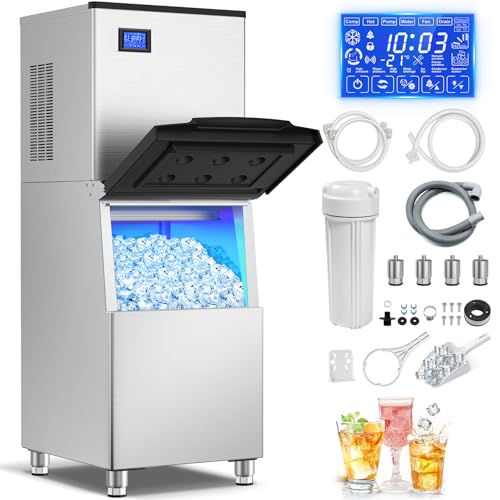
【Durable Commercial Ice Machine】The commercial Ice maker is brushed stainless steel. The multi-angle top air outlet can ensure long-term continuous use, and the surface of the icemaker is covered with a gray protective film (it is easier to remove with the hot air of a hair dryer) maquina de hielo comercial
Benefits of Using a Countertop Ice Maker
Countertop ice makers provide a variety of benefits that enhance our daily lives. They deliver rapid ice production, making ice in as little as 5 to 15 minutes. This is a game changer for parties and gatherings. With popular models consuming less power—between 120 to 160 watts—we enjoy lower energy costs, usually around $50 to $100 annually. Their compact design fits easily in small spaces like kitchens and RVs, maximizing convenience. Many units produce different ice shapes, from crunchy nuggets to traditional bullet ice, perfect for our fizzy drinks. Plus, having a steady supply of ice for chilling water means we won’t find ourselves making emergency store trips. Nugget ice simplifies hosting, letting us focus on our guests.
Frequently Asked Questions
Do Countertop Ice Makers Use a Lot of Electricity?
While countertop ice makers don’t use a lot of electricity, their energy efficiency varies. By considering power ratings, usage frequency, and implementing cost-saving tips, we can optimize ice production without greatly increasing our energy bills.
Can You Leave a Countertop Ice Maker Plugged in All the Time?
Yes, we can leave a countertop ice maker plugged in continuously for convenient ice production. It’s energy efficient and safe, but evaluating cost analysis helps us avoid unnecessary expenses during long-term use. Regular maintenance guarantees peak performance.
How Many Amps Does a Countertop Ice Maker Pull?
Countertop ice makers typically pull between 0.83 to 1.67 amps during operation. By comparing brands and understanding their power requirements, we can implement energy-saving tips to optimize ice maker efficiency based on our usage patterns.
Are Ice Cube Makers Expensive to Run?
Ice cube makers can be expensive to run due to their operating expenses, especially with frequent use. To improve energy efficiency, we should consider budget appliances and follow maintenance tips to keep costs manageable.


