As an Amazon Associate, we earn from qualifying purchases. Some links on this site are affiliate links at no extra cost to you. Our recommendations are based on thorough research and editorial judgment.


Understanding Energy Star Ratings for Small Kitchen Devices

ENERGY STAR ratings for small kitchen devices mean they meet strict energy efficiency standards from the U.S. EPA. These appliances use at least 15% less energy than federal guidelines. For example, a certified coffee maker can consume 25% less energy than its standard counterpart. Choosing these appliances helps lower our electricity bills while reducing environmental impact. Plus, many utility companies offer financial incentives for these purchases. Want to know more about popular ENERGY STAR appliances?
Key Takeaways
- ENERGY STAR ratings indicate small kitchen appliances meet energy efficiency standards set by the U.S. EPA, using 15% less energy than federal benchmarks.
- Certified appliances typically consume 20% to 30% less energy than standard models, leading to potential savings of up to $700 annually.
- ENERGY STAR appliances often feature smart technologies and efficient heating elements, enhancing performance while minimizing energy costs by $50 to $100 each year.
- Popular certified small kitchen devices, like coffee makers and blenders, consume significantly less energy, aiding in reducing overall household energy bills.
- Utility companies frequently offer rebates and tax incentives for purchasing ENERGY STAR products, making them a cost-effective choice in the long term.
What Are ENERGY STAR Ratings?
ENERGY STAR ratings serve as a reliable guide for choosing energy-efficient kitchen appliances. This certification indicates that small devices meet strict energy efficiency criteria set by the U.S. EPA. Appliances bearing the ENERGY STAR certification often use at least 15% less energy than federal standards. When we see this label, we recognize that third-party verification backs it, ensuring credible claims. This label provides estimated annual energy costs and consumption in kilowatt-hours, helping us make informed choices. By choosing ENERGY STAR-rated small kitchen appliances, we can save energy, lower electricity bills, and contribute to reducing greenhouse gas emissions. Additionally, many ENERGY STAR-rated models, such as some 7 Cu Ft Microwaves, have features that help minimize energy consumption and prevent overcooking. So, before we make a purchase, let’s check for ENERGY STAR ratings and be smart consumers.
Benefits of Choosing ENERGY STAR Appliances

When we consider upgrading our kitchen appliances, opting for ENERGY STAR-certified devices offers numerous benefits. These appliances typically use 20% to 30% less energy than standard models. This energy-saving feature helps us save money on our electricity bills. In fact, the annual savings can reach up to $700 per household when we invest in a full suite of these energy-efficient options. Additionally, ENERGY STAR-certified appliances often outperform their non-certified counterparts in efficiency and durability, providing long-term value. By choosing these devices, we also reduce our carbon footprint, contributing positively to the environment. Plus, many utility companies offer rebates and tax incentives, making our choice even more financially advantageous. Choosing ENERGY STAR appliances is a smart, practical decision, and incorporating low wattage appliances into our kitchens further enhances our energy efficiency.
Recommended Products

Precise Cooking Control: Digital display with electronic thermostat offers accurate temperature control ranging from 140 - 500°F.

Door hinging: Door hinging on left side, standard (No Discounts Applied)

TOP MOUNT COMPRESSOR: Top mount compressor design is ideal for dry storage areas where ingredients might be spilled and locations where the floor can become dusty.
Understanding Energy Consumption in Small Kitchen Appliances

Upgrading to ENERGY STAR appliances sets us on a path to more efficient living, but understanding energy consumption in small kitchen devices is just as important. Devices like blenders and coffee makers can greatly impact our energy bills. A 1,000-watt appliance running for one hour uses one kilowatt-hour (kWh) of energy. Even low-wattage models can add up if we use them extensively throughout the day. We can mitigate energy waste by unplugging unused appliances and choosing energy-efficient models. It’s also essential to monitor energy consumption by checking wattage labels and tracking usage over time. By paying attention to these factors, we can make smarter decisions and maximize our efficiency while keeping our kitchens running smoothly. Additionally, opting for ENERGY STAR certified models ensures lower energy costs and helps reduce our overall environmental impact.
Key Features of ENERGY STAR-Certified Small Kitchen Devices

Making the right choice in small kitchen appliances can greatly impact our energy usage and bills. ENERGY STAR-certified appliances, like blenders and coffee makers, consume 25% less energy while still delivering high performance. These devices often include smart technologies that adjust operations, maximizing energy efficiency during both use and standby. Each appliance sporting the ENERGY STAR label meets strict standards set by the U.S. EPA, performing at least 15% better than non-certified options. Additionally, advanced insulation materials and efficient heating elements lead to significant energy savings. By utilizing these ENERGY STAR-rated appliances, we can save around $50 to $100 annually, depending on our usage patterns. Choosing wisely not only benefits our wallets but also supports a greener planet. Furthermore, opting for energy-efficient models in small kitchen devices aligns with modern sustainability practices.
Recommended Products

Save Space and Energy: This Energy Star Certified counter depth bottom freezer refrigerator conserves energy and space. At 23.25" deep and 46.75" W wide, this unit offers 23.4 cu.ft.of storage capacity, ideal for shallow counter kitchens with large refrigeration needs.

ELEGANT AESTHETIC - The Kenmore wine cooler sleek black cabinet, combined with a seamless stainless steel door frame & handle, contributes to the sophisticated design of The Kenmore 112 Bottle Slim 18-Inch Wine Cooler. these premium materials enhance durability & complement any decor, making it a stylish addition to any space. the elegant design ensures that the cooler blends seamlessly with various interior styles.
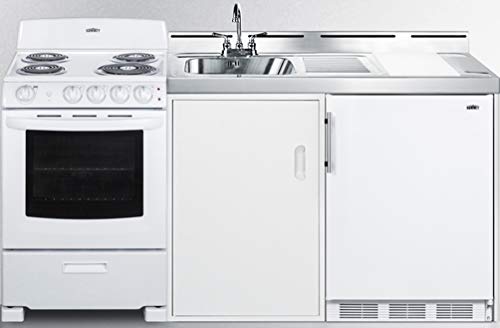
All in one, perfect for your space: Everything you want in just 72" of width, with a refrigerator-freezer, sink, and 4-element electric range with oven included. Also includes a cutlery bin with a removable cutting board cover, and a large cabinet with a removable shelf for added storage convenience.
Popular ENERGY STAR Certified Small Kitchen Appliances

Several popular ENERGY STAR certified small kitchen appliances are designed to enhance efficiency while keeping energy bills low. For instance, ENERGY STAR coffee makers use about 25% less energy than standard models, offering tasty, robust brews without the high bills. Blenders with ENERGY STAR ratings often consume less than 500 watts, making them efficient while blending up smoothies. Electric kettles include automatic shut-off features that save energy during use. Toaster ovens, certified with ENERGY STAR, save up to 30% more energy than conventional versions, cooking meals quickly. Meanwhile, ENERGY STAR slow cookers average only 70 kWh annually, making them eco-friendly choices. By choosing these ENERGY STAR appliances, we can enjoy functionality while effectively saving energy. Additionally, many electric kettles with keep warm function capabilities allow users to maintain optimal temperatures without re-boiling, further enhancing energy efficiency.
Recommended Products

Great tools at a great price

All in one, perfect for your space: Everything you want in just 63" of width, with a refrigerator-freezer and 4-burner gas range with oven included. Also includes a cutlery bin with a removable cutting board cover, and a large cabinet with a removable shelf for added storage convenience.

Tips for Maximizing Efficiency With Kitchen Gadgets
When we think about maximizing efficiency with kitchen gadgets, it’s essential to adopt some simple habits. First, let’s unplug appliances like coffee makers when we’re not using them to avoid phantom energy loss, which can cost us $5-15 annually per device. We should always look for energy-efficient products equipped with automatic shut-off features. Opting for appliances with ENERGY STAR ratings is vital; these use markedly less energy—like ENERGY STAR refrigerators, which are up to 15% more efficient. When cooking, consider using a convection oven, which can save us 20-30% on energy and cook our food faster. Finally, regularly check our refrigerator settings, keeping temperatures between 37°F and 40°F to further optimize energy consumption. Choosing kitchen gadgets such as compact air fryers not only saves space but also enhances energy efficiency by consuming less power compared to traditional cooking methods.
How to Calculate Energy Costs for Small Kitchen Appliances
Calculating energy costs for small kitchen appliances doesn’t have to be complicated. To figure out an appliance’s energy costs, we multiply its wattage by the hours we use it daily. Then, we divide by 1,000 to convert to kilowatt-hours (kWh). For instance, a 600-watt blender used for 30 minutes daily consumes 0.3 kWh. To estimate monthly costs, we multiply daily kWh by our local utility rate. If our rate is 12 cents per kWh, using that blender costs about $1.08 monthly. By paying attention to wattage labels and considering ENERGY STAR labels, we can spot energy-efficient models, ultimately leading to lower energy costs and improved kitchen efficiency. Self-cleaning features in energy-efficient appliances also contribute to enhanced performance while reducing maintenance energy use. Let’s embrace smart energy practices!
Making Smart Purchasing Decisions for Kitchen Devices
Making informed choices about kitchen appliances can greatly impact both our energy bills and the environment. When we’re shopping for small devices, let’s look for the ENERGY STAR label. It shows the appliance meets strict energy efficiency standards set by the U.S. EPA. ENERGY STAR-certified gadgets like coffee makers and blenders consume remarkably less electricity than non-certified ones. This can lower our energy bills by 10% to 50%, depending on usage. Also, check the estimated annual energy consumption in kilowatt-hours (kWh) on the label for better comparisons. We should prioritize energy-efficient models with features like automatic shut-off and lower power modes. These choices help us save money and enhance our kitchen’s overall efficiency. Additionally, opting for appliances that use less oil for healthier meals can further contribute to both energy efficiency and a better diet.
Recommended Products

Water dispenser and automatic ice machine with tap water connection makes up to 11 pounds of ice per day Dual evaporator design to keep food safer and fresher LED interior...
Financial Incentives for ENERGY STAR Appliances
Although purchasing ENERGY STAR appliances might seem like a larger upfront investment, the financial incentives available can make these devices far more affordable. Utility companies often provide rebates ranging from $25 to $200 for ENERGY STAR certified appliances, making them appealing options. Additionally, federal tax credits may be available, further reducing costs. To qualify, appliances must meet ENERGY STAR standards. Many states and local programs also offer supplementary incentives. This could increase total benefits for consumers. We find that these financial incentives can greatly shorten the payback period. By investing now, we may enjoy long-term savings on our energy bills. Choosing ENERGY STAR certified appliances not only helps our wallets but also supports a more sustainable future. Compact wine coolers, for example, can also feature energy-efficient ratings, which contribute to lower operational costs.
The Future of Energy Efficiency in Kitchen Technology
As we look ahead, there’s no denying that the future of energy efficiency in kitchen technology is packed with advancements that promise significant savings and convenience. Smart appliances are leading the charge, using IoT connectivity to monitor our energy use. With heat pump technology being adapted for dryers and water heaters, we’re looking at up to 50% savings compared to traditional models. Many manufacturers are focusing on insulation and energy-saving features, targeting a reduction in overall energy consumption by at least 30% by 2030. Plus, the integration of artificial intelligence can help personalize our cooking experiences, potentially cutting energy costs by 20%. We can expect many small kitchen devices to earn ENERGY STAR certifications that surpass existing federal standards by 25% or more. For instance, innovative features in even cooking technology found in appliances like Breville’s Smart Oven Air Fryer Pro exemplify these advancements.
Frequently Asked Questions
What Are the Most Energy Efficient Kitchen Appliances?
When it comes to energy efficiency, we’ve got to choose appliances like ENERGY STAR-rated refrigerators and dishwashers. By applying energy saving tips, we’ll extend appliance lifespan while investing in eco-friendly materials, creating a sustainable kitchen.
Is There a Big Difference Between a ++ and a +++?
Yes, there’s a significant difference between ++ and +++ ratings. Investing in higher energy efficiency leads to greater savings over time, improving appliance longevity and reducing energy bills, making it a wise choice for us.
Which Is Better, 3 Star or 2 Star?
Well, if we’re debating between 3 Star and 2 Star, let’s skip the suspense: 3 Star’s our winner! It boasts better energy savings, impressive performance comparison, and cost efficiency that’ll keep our wallets happy.
What Does a 3 Star Rating for an Appliance Mean?
A 3-star rating means an appliance shows good energy consumption trends, being 10-20% more efficient than lower-rated models. It’s solid for cost efficiency comparison and can positively impact the appliance’s lifespan, too.


