As an Amazon Associate, we earn from qualifying purchases. Some links on this site are affiliate links at no extra cost to you. Our recommendations are based on thorough research and editorial judgment.


Cleaning Nonstick Baskets Safely: Coatings and Longevity

To clean non-stick baskets safely, we should soak them in warm, soapy water for 10-15 minutes. Use a non-abrasive sponge to scrub, avoiding metal utensils that can scratch. Rinse thoroughly to remove soap. Let the basket cool before cleaning to prevent thermal shock. Regularly inspect for signs of wear, like scratches or peeling. Following these steps helps maintain the coating’s integrity and extends the basket’s longevity, ensuring our cooking experience remains reliable and safe. You’ll discover even more effective tips.
Key Takeaways
- Clean non-stick baskets with warm, soapy water and a non-abrasive sponge to maintain coating integrity and prevent food buildup.
- Always let the basket cool completely before cleaning to prevent thermal shock and warping.
- Avoid metallic utensils to prevent scratching the non-stick surface and ensure even cooking.
- Inspect your non-stick baskets regularly for signs of wear and replace them if scratches or peeling occur.
- Follow manufacturer care instructions and avoid harsh cleaning products to extend the longevity of non-stick coatings.
Understanding Non-Stick Coatings
When we think about non-stick coatings, it’s vital to know how they work and how to care for them. Non-stick coatings, made from materials like PTFE or ceramic, prevent food from sticking. However, heat exposure and abrasive cleaning can damage these surfaces over time. To guarantee longevity, we should use non-metal utensils and avoid high heat. Damage signs include food sticking, visible scratches, or inconsistent cooking results. Following proper maintenance practices can greatly prolong lifespan, typically requiring replacement every few years depending on usage. Keeping an eye on wear is important. If you notice a decline in performance, it’s likely time for a new piece. Taking these steps can keep your cookware performing at its best and deliciously. Additionally, using energy-efficient appliances can help maintain optimal cooking conditions, reducing strain on non-stick surfaces.
Importance of Proper Cleaning Techniques

To guarantee our non-stick baskets last longer and perform better, using proper cleaning techniques is essential. We should clean our baskets with warm, soapy water and a non-abrasive sponge right after each use. This practice helps remove food residue and prevents buildup, ensuring excellent non-stick performance. By avoiding metallic utensils and harsh cleaning materials, we can preserve the non-stick coating, avoiding scratches that compromise its integrity. It’s also essential to prevent thermal shock by never using cold water on hot baskets, as this can warp the materials. Regular cleaning not only keeps our baskets performing well but also minimizes health risks associated with deteriorating coatings. Additionally, selecting food-grade materials can further enhance the longevity of your cookware. Let’s commit to these practices for long-lasting results.
Best Practices for Cleaning Your Non-Stick Basket
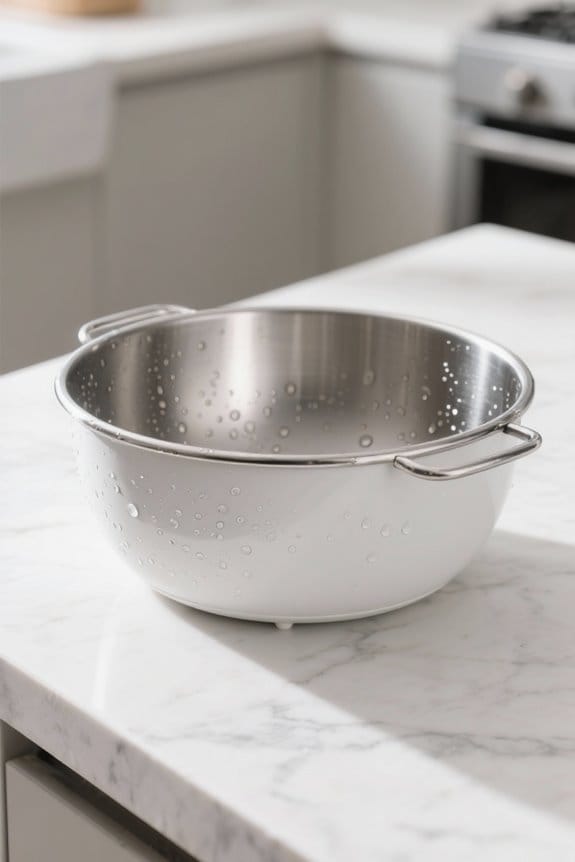
Cleaning our non-stick baskets properly is vital for maintaining their performance and longevity. First, we should always unplug our air fryers non-stick and let the basket cool completely. Once cool, let’s soak the basket in warm, soapy water for 10-15 minutes to loosen any stubborn food residue. This step helps in cleaning your air fryer effectively. Next, we’ll use a non-abrasive sponge or cloth for scrubbing, as this prevents scratches. It’s important to avoid using metallic utensils that can damage the non-stick coating. After cleaning, we need to rinse thoroughly and make sure we remove any soap. Regularly inspect the non-stick basket for wear. If we see scratches or peeling, it’s time to replace it for safe cooking. Additionally, using surge protection ratings of at least 1680J for your electrical appliances can help prevent accidental damage from voltage spikes during use.
Recommended Products

TWO INDEPENDENT OVENS: Creates two separate ovens. Access just the top for quick meals and snacks or open the full door so you can cook 2 meals, 2 ways on the top and bottom.
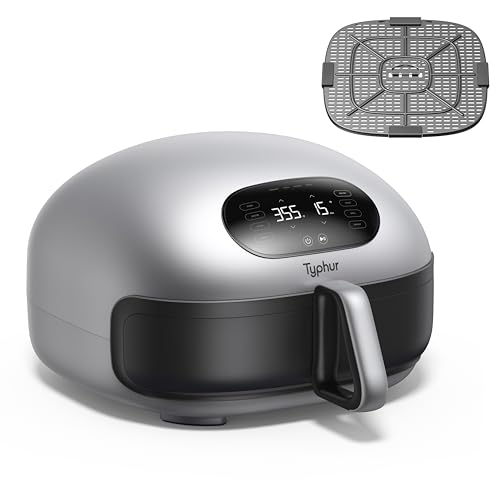
𝗔𝗧𝗞 & 𝗖𝗥 𝗥𝗲𝗰𝗼𝗺𝗺𝗲𝗻𝗱𝗲𝗱 | Recommended by America’s Test Kitchen in "The Best Air Fryers 2026" and Consumer Reports in "The Best Large Air Fryer of 2026".
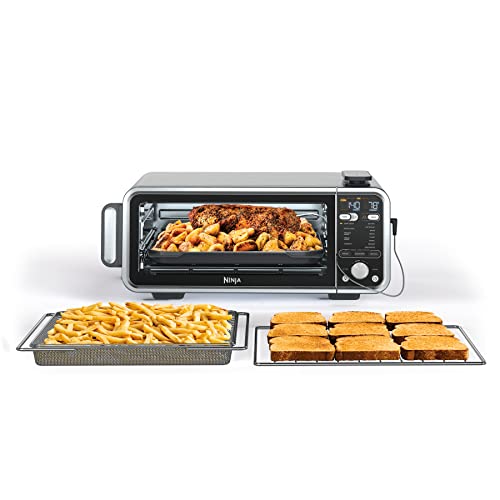
DUAL HEAT TECHNOLOGY: The up to 500°F directly heated SearPlate and up to 500°F rapid cyclonic air work together to allow you to sear and crisp at the same time.
Signs of Wear and Tear on Non-Stick Surfaces

Maintaining the performance of our non-stick baskets means keeping an eye out for signs of wear and tear. If we notice food sticking to the surface, even when we use oil, it may indicate a degrading non-stick surface. We should also look for visible scratches or peeling; these can impact the effectiveness of the coating. Discoloration, such as dark spots or fading, often suggests a worn-out coating, necessitating replacement. Additionally, if we find stubborn food residue that’s hard to clean, our basket’s non-stick properties might be failing. Uneven cooking results, with some food areas undercooked and others overcooked, can also signal coating deterioration. Addressing these issues promptly will help improve the longevity of our air fryer. Moreover, using proper cleaning techniques is essential to avoid damaging the basket’s non-stick properties, ensuring its durability.
Recommended Products

Infrared Heating + True Convection Air Fry. Our cutting-edge technology features a powerful and effective heat radiation system, coupled with a high-velocity heated-air circulation, which results in a quick and deliciously flavorful brown crust while preventing food from becoming overcooked or dried out. It ensures that the interior of food remains tender and juicy, stays succulent and moist up to 35%, providing a perfect balance of texture and taste.

MASTER GRILL, BBQ SMOKER, & AIR FRYER: All in one with 100% real smoky flavor..Voltage: 120 volts
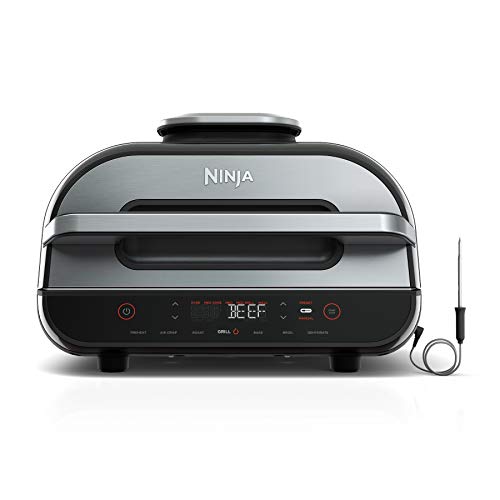
SMART INDOOR GRILL & AIR FRYER COMBO: The Ninja Foodi Smart XL Grill is an all-in-one indoor electric grill and air fryer oven that sears, sizzles, and crisps. Ideal for countertop use, it combines grilling and air frying with Ninja’s Smart Cook System and dual-sensor thermometer for perfect results every time
Safe Cooking Practices to Preserve Coating

While we love the ease of cooking with our non-stick baskets, certain practices can help us preserve their coating. First, we should use non-abrasive utensils, like silicone, wooden, or plastic ones, to avoid scratching the surface. It’s essential to stick to manufacturer-recommended temperatures, as excessive heat can degrade the non-stick coating over time. After each use, we can clean the basket promptly with warm, soapy water and a soft sponge, removing any food residue that could damage it. Consider lining the basket with food-grade parchment for added protection. Finally, let’s refrain from using non-stick cooking sprays or aerosol oils, as these can leave residues that deteriorate the coating, impacting our cooking experience. Additionally, keeping the ideal humidity level can also play a role in maintaining overall food quality and utensil longevity.
Preventative Measures for Longevity
To keep our non-stick baskets in prime shape, we should embrace a few preventative measures. First, we must clean our air fryer after each use, preventing food from sticking and minimizing residue build-up. We should always use silicone, wooden, or plastic utensils to avoid damaging the non-stick surface. For even better protection, consider using food-grade parchment liners or oil-proof air fryer liners. These add an extra layer and promote a longer lifespan for our cookware. Additionally, let’s avoid cooking at excessively high temperatures, as they can accelerate wear on the non-stick coatings. Regularly inspecting for scratches or peeling can help us catch any issues early, ensuring peak performance and preventing health risks over time. Using silicone air fryer liners can further enhance cooking results and make cleanup easier, contributing to the longevity of your non-stick baskets.
Recommended Cleaning Products and Tools
When it comes to cleaning our non-stick baskets, using the right products and tools makes a big difference. We recommend starting with warm, soapy water and a soft sponge to gently scrub the surface. Avoid abrasive cleaners, as they can seriously damage the non-stick coating. For stubborn residue, a paste made from baking soda and water can effectively loosen debris without causing harm. When handling our non-stick baskets, using silicone spatulas and tongs guarantees we won’t risk scratches. Additionally, ditch oil sprays; instead, use a drop of oil applied with a silicone brush to prevent buildup. Following these tips will extend the life of our non-stick baskets while keeping them clean and in good condition. Moreover, ergonomic designs of non-stick tools may also contribute to a more efficient and comfortable cleaning process.
Recommended Products
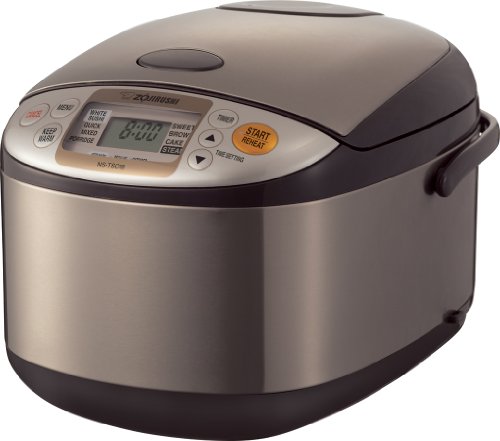
Micro computerized fuzzy logic technology. Capacity: Up to 10 cups / 1.8 liters

FOOD GRADE STAINLESS STEEL & STURDY: Duxtop stainless steel cookware set is made of premium food grade 18/10 stainless steel, which maintains the flavor of the food. Heavy bottom with impact-bonded technology, built to last for a life time
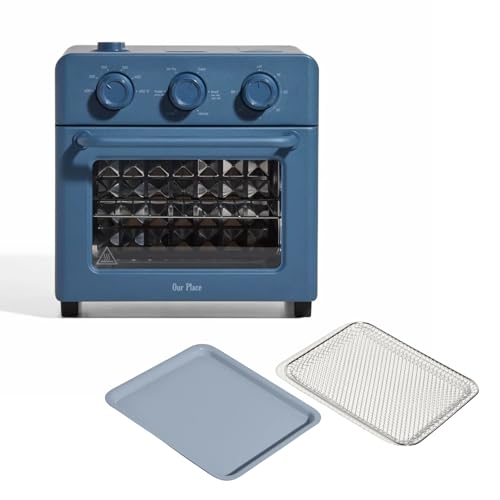
COMPLETE COOKING DUO: Includes the Wonder Oven plus the Essentials Kit, expanding your cooking capacity with an extra Bake Pan and Air Fryer Basket for effortless multi-level meals.
The Do’s and Don’ts of Air Fryer Maintenance
Maintaining our air fryer is just as important as keeping our non-stick baskets clean. Always use silicone, wooden, or plastic utensils to handle the air fryer basket. This helps prevent scratches on the non-stick surface. After cooking, we should clean the basket using warm, soapy water and a soft sponge. This prevents food residue from hardening. We must avoid harsh cleaning agents and metallic utensils, as they can damage the coating. Regularly check for signs of wear, like peeling or scratching. It’s essential to replace parts when needed to guarantee safe cooking. Remember, do not immerse the entire air fryer in water. Focus on cleaning only the removable parts to keep the appliance’s integrity intact. Regular maintenance not only enhances the longevity of nonstick baskets but also ensures consistent cooking performance.
Common Mistakes to Avoid
Although we often think we’re doing the right thing, many common mistakes can undermine the performance and longevity of our non-stick baskets. For instance, using metal utensils can scratch the non-stick surface, damaging the non-stick and reducing its lifespan. We shouldn’t clean non-stick baskets in the dishwasher, as harsh salts can deteriorate the coating. Also, avoid oil sprays like Fry-light that leave a sticky residue, harming the coating’s integrity. Don’t plunge hot non-stick baskets into cold water; let it cool to prevent thermal shock. During cleaning and proper maintenance, use only non-abrasive sponges with soapy water. By avoiding these mistakes, we can guarantee our non-stick baskets last longer and perform better. Additionally, using dishwasher-safe components can help ensure proper maintenance without damaging the non-stick surface.
Restoring a Damaged Non-Stick Coating
Even with the best care practices, non-stick coatings can suffer from scratches and peeling over time. If our non-stick coating shows damage, we should prioritize safety. Attempting restoration may introduce health risks from flaking material. While baking soda mixed with water can help clean stubborn residues, it won’t fix the integrity of a damaged surface. High-heat oils may temporarily improve non-stick properties, but they aren’t a solution for worn coatings. Regular inspection for signs of wear is crucial in our maintenance practices. Once we notice significant damage, replacement is the best option to guarantee safety and performance. Investing in a new basket or pan is often necessary for ideal cooking and to avoid further health complications. Remember, proper maintenance of kitchen tools is essential to extend their longevity and effectiveness.
Recommended Products

Package Include: you will receive 40 pack 10 inch oval bread proofing baskets with 40 pieces of cloth liners and 40 pieces of plastic scrapers, complete bread making kit to meet your use and replacement needs, you can also share these bread proofing baskets kit with others as gifts, let your family members and friends enjoy the art of delicious and healthy bread

6-IN-1 COOKING POWER: Air fry, bake, roast, toast, broil, and reheat in one compact countertop oven designed for fast, flexible meals without crowding your kitchen space.

Package Content: you will get 30 pack oval bread proofing baskets (10 inches) with 30 pieces of cloth liners and 30 pieces of plastic scrapers, complete bread making kit to meet your use and replacement needs, you can also share these bread proofing baskets kit with others as gifts, let your family members and friends enjoy the art of delicious and healthy bread
Recommended Air Fryers for Easy Cleaning
When we choose an air fryer, easy cleaning is an essential factor. The Philips Air Fryer features a removable non-stick basket that’s dishwasher-safe, making it popular for hassle-free maintenance. Ninja Air Fryers also include removable baskets that release food effortlessly, ensuring easy cleaning in the dishwasher. We appreciate the Cosori Air Fryers with their non-stick coated baskets designed specifically for quick cleanup, promoting hygiene without much effort. Instant Pot Vortex Air Fryers provide a streamlined post-cooking process with their dishwasher-safe, removable baskets. Each of these recommended air fryers emphasizes easy cleaning, so we can focus on cooking delicious, crunchy meals, rather than worrying about complicated cleanup. Choosing the right one makes a difference in our cooking routine.
Recommended Products

OPTIMUM COOKING VERSATILITY: This countertop oven provides a unique mix of versatility, speed, and performance. It features advanced 360° convection, integrated temperature probe, and 7 cooking modes: Bake, Air Fry, Broil, Warm, Proof, Toast, and Bagel.

HEALTHY MEALS IN LESS TIME! Don’t stress over dinner. With the power of super-heated steam, now cook healthy, homemade meals in 70% LESS TIME. Better than broiling, baking, boiling or grilling, meals made in the NutriPot have more nutrients, more flavor and more juices in less time. Perfect for busy households on the go!

ENDLESS FUNCTIONS: This premium 1800 watt toaster oven and AirFryer, is equipped with premium functions including, AirFry, bake, broil, toast, bagel, pizza, roast, dehydrate, proof, low, slow cook, dual cook, reheat and warm with a wide temperature range (80°F to 450°F)
Frequently Asked Questions
How to Recoat an Air Fryer Basket?
To recoat an air fryer basket, we must meticulously maintain it using safe materials like non-stick spray. Let’s gather tools, follow best practices, and boost longevity through proper cleaning tips and the DIY recoat process.
What Ruins Nonstick Pans?
Nonstick pans can be ruined by scratch damage from metal utensils, high heat, abrasive cleaners, dishwashing detergent, improper storage, overheating pans, and poor maintenance. Let’s all take better care of our cookware together!
Does Vinegar Destroy Non-Stick Pans?
Yes, vinegar can negatively impact non-stick pans by causing surface reactions that shorten non-stick longevity. Instead, we can use warm, soapy water or baking soda for effective cleaning techniques while ensuring kitchen safety and material compatibility.
What Is the Best Coating for Non-Stick Pans?
We believe ceramic coatings, titanium variations, and natural alternatives offer impressive heat resistance and environmental safety. Their durability ratings and scratch resistance enhance food release, making them some of the best options for non-stick pans.


