As an Amazon Associate, we earn from qualifying purchases. Some links on this site are affiliate links at no extra cost to you. Our recommendations are based on thorough research and editorial judgment.


The Science of Smoothie Emulsions in Small Cups

When we think about the science of smoothie emulsions in small cups, we focus on achieving a creamy texture. Emulsifiers, like lecithin from egg yolks or yogurt, mix oil and water effectively. To stabilize our smoothies, we should blend at high speeds for at least 30 seconds, creating smaller droplets. The right balance of ingredients, like nut butters or avocados, enhances texture. If we explore further, we’ll uncover tips for perfecting our smoothie creations and achieving ideal stability.
Key Takeaways
- Smoothie emulsions require emulsifiers like yogurt or lecithin to stabilize water-oil mixtures, ensuring a creamy texture in small cups.
- High-speed blending creates smaller droplets, improving emulsion stability, crucial for achieving smooth consistency in small servings.
- The ideal oil-to-water ratio affects viscosity; adjust ingredient quantities to maintain stability and texture in smaller cup sizes.
- Incorporating healthy fats, such as nut butters, enhances creaminess while contributing to a balanced flavor profile in small smoothies.
- Regular blender maintenance and high-powered motors optimize blending efficiency, preventing separation and ensuring delightful texture in small cups.
What Are Smoothie Emulsions?
Smoothie emulsions are crucial for creating that rich, creamy texture we all love. They form when we blend water-based ingredients, like fruits and vegetable juices, with oil-soluble components such as nut butters or chia seeds. This process requires mechanical agitation, usually through blending, which helps to disperse tiny oil droplets throughout the mixture. To prevent these droplets from separating, we can incorporate emulsifiers like lecithin found in egg yolks or certain plant proteins. The balance of ingredients is critical; a good fat-to-liquid ratio enhances both the emulsion’s stability and that perfectly smooth texture. Remember, smoothies can separate over time, so it’s best to enjoy them right after preparation for the ideal consistency. Additionally, using a powerful motor in your blender can significantly enhance the effectiveness of emulsifying your smoothie ingredients.
The Role of Emulsifiers in Smoothies

While we may not think about it often, emulsifiers play a key role in making our smoothies enjoyable. They help stabilize the mixture by reducing interfacial tension between oil and water components. Common emulsifiers like egg yolk, avocado, and yogurt enhance the texture of our smoothies. They create oil-in-water emulsions that improve mouthfeel and prevent ingredient separation. This means no more clumps of spinach or kale floating around! When used correctly, emulsifiers guarantee a uniform distribution of flavors and a consistent viscosity. Our smoothies become visually appealing when we combine these ingredients smoothly, making them taste even better. Additionally, using a high-powered blender, such as those with 900W motors, can further improve the emulsifying process, ensuring that all ingredients blend perfectly. So, next time we blend, let’s appreciate the role of emulsifiers in achieving that perfect creamy, well-mixed smoothie we all love.
Recommended Products
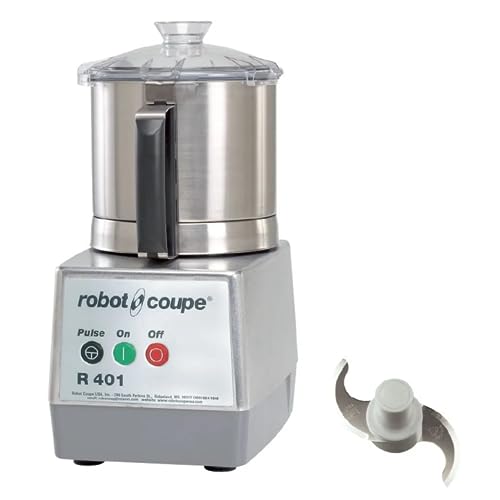
4.5 QUART STAINLESS STEEL BOWL: This food processor includes a 3.5 Qt. stainless steel cutter bowl with a handle and high resistance smooth blade assembly. Ideal for mixing up small single ingredient batches or multiple ingredients together at once.

Widely applications: Mixing, blending, emulsifying, and homogenizing solutions 、Reducing particle size of suspensions ,Dispersing suspensions, Disrupting cells, Catalyzing chemical reactions

【Powerful Emulsifying Efficiency】4KW Motor & 2900r/min Rotation Speed Delivers rapid and uniform blending for materials up to 300L,Range: 100-300L ideal for lab-scale operations.
Types of Emulsions Found in Smoothies

Emulsions in smoothies create that lush, creamy texture many of us crave. Smoothies mainly feature oil-in-water emulsions, where fruit purees meet water or milk. These combinations rely on emulsifying agents like yogurt, milk, and protein powders to help stabilize the blend. By reducing interfacial tension, they keep small droplets from separating. The act of blending integrates these ingredients into stable emulsions, providing that uniform consistency we enjoy. Additionally, healthy fats from nut butters or avocados enhance richness. We need to pay attention to temperature and ingredient ratios, as these can affect emulsion stability. Ideal blending times are essential to maintain homogeneity without separation, ensuring our smoothies deliver that satisfying, creamy mouthfeel. Moreover, using sharp stainless steel blades can significantly improve the blending process and the overall texture of your smoothies.
Recommended Products

POLYCARBONATE LID: The leak proof, see-through lid enables you to securely process food while keeping an eye on the progress. It was designed to allow the addition of liquid or ingredients during processing.

Commercial-grade Granite machine with 1/horsepower, 710-watt motor
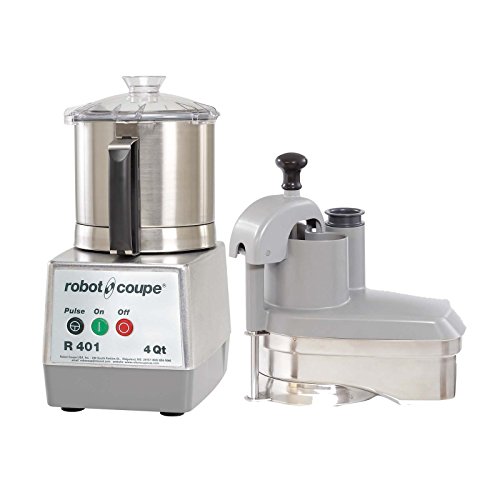
4.5 QUART CAPACITY: The durable 4.5 Qt. stainless steel batch bowl is great for mixing up small batches of a single ingredient, or for processing multiple ingredients together at once.
Understanding the Science Behind Emulsification

To create a creamy smoothie, we need to understand how emulsification works. Emulsification combines oil and water, vital for mixing ingredients like nut butters and fruit. We often use emulsifiers such as yogurt or lecithin to stabilize these mixtures. When we blend, the mechanical action disperses fat droplets. This keeps them suspended in the aqueous phase, ensuring our smoothie maintains a uniform texture. If the oil and water separate, our smoothies can end up grainy or watery. The right balance is essential for stability and results in a smooth, enjoyable drink. Understanding emulsification helps us achieve high-quality blended beverages. Next time we make a smoothie, let’s focus on these factors for that perfect creamy consistency. Additionally, selecting a blender with stainless steel blades ensures efficient performance and helps create that desired smooth texture.
Factors Affecting Emulsion Stability

Creating a smooth and consistent smoothie involves more than just blending ingredients together. Several factors influence emulsion stability in our drinks. The type and amount of emulsifier, like lecithin from egg yolks or mustard, is essential. It helps stabilize oil and water mixtures. Ingredient temperature matters too; using cold ingredients enhances stability by minimizing droplet movement. Smaller droplets, achieved through vigorous blending, provide a larger surface area for emulsifiers to work effectively. Maintaining an ideal oil to water ratio is key. We typically need higher water content for successful smoothie applications. Finally, ingredients like fruit sugars can modify viscosity, impacting stability and preventing droplet coalescence. Balancing these elements creates a satisfying and stable smoothie. Additionally, selecting a portable blender with sufficient power can significantly enhance the blending process and improve emulsification results.
Techniques for Creating Smoothie Emulsions
How do we guarantee our smoothies are smooth and delicious? We start by using an appropriate emulsifier, like yogurt or nut butter. These contain both hydrophilic and hydrophobic components that blend oil molecules and water droplets effectively. Next, mechanical agitation through high-speed blending breaks down ingredients into smaller particles, which helps with stability and even dispersion in the smoothie. When adding liquids like milk or juice, we maintain a thin, steady stream while blending to secure thorough integration. Incorporating creamy ingredients like banana or avocado also enhances texture and stability by adding fat content. To maintain smoothness, it’s best to consume our smoothies shortly after preparation, as they can separate without a stabilizing emulsifier! Additionally, using blenders with specialized blade technology can further improve the efficacy of blending, ensuring your smoothie has the perfect consistency.
Common Ingredients That Aid Emulsification
When we think about crafting the perfect smoothie, selecting the right ingredients can make all the difference. Common emulsifying ingredients include yogurt, which enhances the creamy texture with its rich proteins. Nut butters, such as almond or peanut butter, contain emulsifiers like lecithin, effectively dispersing oils in the smoothie. Natural fats from ingredients like avocado and banana are also essential, stabilizing the mixture and adding to its smoothness. Leafy greens like spinach and kale contribute proteins that aid emulsification as well. Finally, a small amount of honey can act as a natural emulsifier due to its sticky consistency, helping bind oil and water components. Utilizing these ingredients creates a delicious, consistent smoothie experience that aligns with the increasing demand for convenient smoothie solutions.
Recommended Products


Removable and dishwasher-safe stainless steel 14" shaft, completely sealed for large mixing capacity

Heavy-duty, 3.5 peak-HP motor
Recipes for Perfecting Smoothie Emulsions
To master smoothie emulsions, it’s crucial to follow specific recipes that balance flavors and textures. Start with 1 cup of almond milk, adding 1-2 cups of fruits like bananas or berries as natural emulsifiers. These ingredients help stabilize oil and water phases. For additional richness, incorporate a tablespoon of flaxseed or chia seed oil. Layer your ingredients in the blender, starting with liquids, then adding powders, soft fruits, and finally, frozen items. This order promotes effective blending. Blend at high speed for at least 30 seconds to create smaller droplets, enhancing overall texture and stability. Remember, achieving that perfectly creamy consistency hinges on careful ingredient choice and proper blending to avoid separation and guarantee a delightful drink. Additionally, using powerful motors can significantly improve the efficiency of your blending process.
Recommended Products
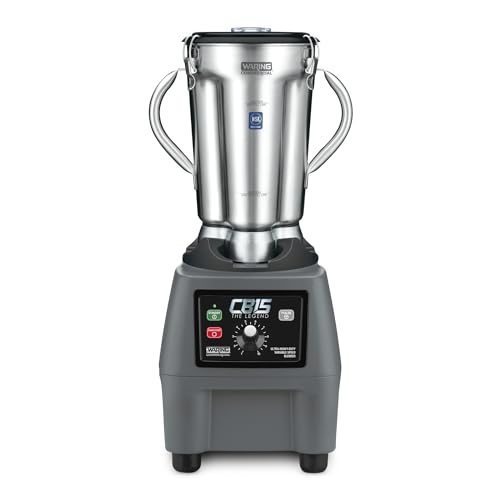
Motor: Ultra-heavy-duty 3.75 Horsepower commercial blender motor delivers exceptional power for high-volume blending in professional kitchens and commercial smoothie operations
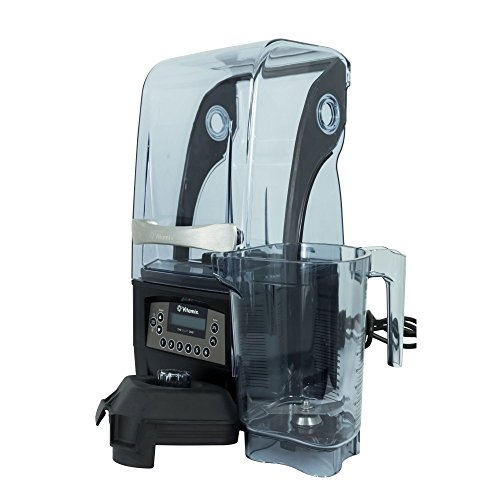

THE ULTIMATE QUIET COMMECIAL BLENDER: operates at a sound level comparable to a normal conversation without compromising power
Frequently Asked Questions
What Are the Health Concerns About Emulsions?
We should be aware that emulsions can pose health risks, affecting nutritional impact and ingredient quality. Long-term consumption may lead to gastrointestinal effects, allergen sensitivities, and concerns over regulatory standards related to processing methods.
What Is the Science Behind Emulsification?
Emulsification science focuses on achieving emulsion stability through surfactant properties. By using mixing techniques to control droplet size, we enhance food texture and flavor retention, while also finding applications in cosmetics and various processing methods.
What Are the Four Types of Emulsions?
Imagine the dance of flavors! We’ve got four emulsion types: oil-in-water, water-in-oil, oil-in-water-in-oil, and water-in-oil-in-water. Each uses food emulsifiers and natural stabilizers for unique applications, from milk emulsions to cosmetic delights!
What Is a Pickering Emulsion?
A Pickering emulsion’s benefits lie in its stability, using solid particles to prevent coalescence. It’s ideal for recipes, offering properties like improved texture. Compared to traditional emulsions, its mechanisms enhance applications in food technology substantially.


