As an Amazon Associate, we earn from qualifying purchases. Some links on this site are affiliate links at no extra cost to you. Our recommendations are based on thorough research and editorial judgment.


Safety Tips for Using USB-Rechargeable Portable Blenders

To safely use USB-rechargeable portable blenders, we should fully charge them for 2-3 hours before the first use and always charge after each blending session. Make sure the lid is pressed down and twisted securely to prevent spills. Don’t exceed the maximum fill line—200-300 milliliters of liquid is ideal. Use soft or pre-soaked ingredients for smooth blending and clean the unit immediately after use. Knowing the indicator light alerts can help us troubleshoot issues effectively. There’s more to explore on how to enhance usage!
Key Takeaways
- Always ensure the blender is fully charged before use to prevent unexpected performance issues and spills.
- Securely fasten the lid by pressing down and twisting to create a vacuum seal and avoid spills.
- Blend only within the maximum fill line to prevent overflow and reduce motor strain.
- Avoid operating the blender in wet conditions, and clean all components thoroughly to prevent moisture-related hazards.
- Monitor the indicator lights for alerts; address flashing lights promptly to ensure safe operation.
Importance of Charging Before Use
Before we start blending, it’s vital to understand the importance of charging our portable blender. We should fully charge our USB-rechargeable blender for 2-3 hours before its first use. This gives the battery a full capacity of 4000mAh, allowing us to make up to 25 cups of juice without interruption. Regular charging is important after using it frequently; this helps maintain battery health and prevents blending efficiency loss. To avoid spills, we need to make sure the blender is charged correctly before each use. Also, it’s easy to clean, but we must never blend while it’s charging. This prevents overheating and protects the internal components. By following these steps, we guarantee smooth, delicious results every time. Choosing a model with longer usage times can further enhance our blending experience and convenience.
Ensuring Secure Lid Fastening

One essential step in using our portable blender is guaranteeing the lid is secured properly. Before we start blending, we should press down and twist the lid into place. This secure lid fastening prevents spills and accidents, creating a vacuum seal for efficient blending. A well-fastened lid guarantees our smoothies are smooth and free of air pockets. We must regularly inspect the lid for wear. If the blender doesn’t start, let’s check the smart indicator light; five red blinks mean the lid’s not secure. For safety, after every use, we should clean the lid to avoid residue buildup, which might affect the snap-fit locking mechanism. Remember, a fully charged blender works best with a secure lid. Additionally, selecting a blender with safety features such as auto shut-off functions can enhance our blending experience.
Recommended Products
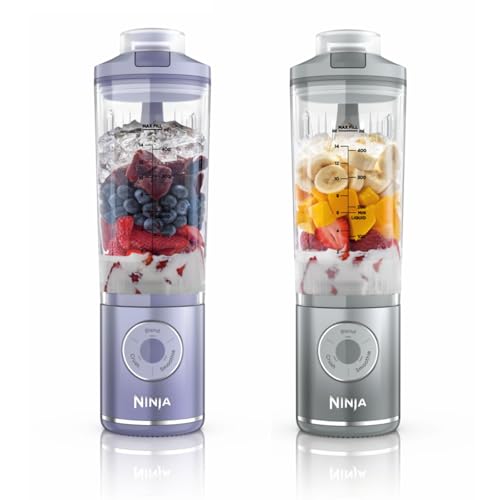
EXCLUSIVE PACK: Duo of Blast products in lavender and silver. THE MOST POWERFUL WIRELESS NINJA MIXER - With a more powerful motor than the original Ninja Blast, the Blast Max stacks up ice and mixes frozen ingredients in seconds

LifePod 20 can be unlocked using the touch sensitive LED backlit keypad, or backup manual keys. To lock LifePod simply press and hold the lock pad to engage the internal locking mechanism. An optional anti-picking feature can be enabled to prevent picking of the front keyway. Features a built-in lock system using precision engineered safe technology and anti-impact latch design.

Compact size and lightweight for easy storage
Maximum Fill Line Guidelines

To guarantee smooth blending, let’s focus on understanding maximum fill line guidelines. When using our USB-rechargeable portable blenders, we must remember not to exceed the maximum fill line, typically marked on the container. Overfilling can cause overflow and lead to messy cleanup. It can also result in improper blending or even damage to the blender. Always make certain there’s a minimum amount of liquid present for the blender to function effectively, typically around 200-300 milliliters. In addition, avoid adding hard solids that exceed the maximum fill line, as this can strain the motor. Also, using a powerful motor can enhance blending efficiency and prevent strain on the device. Sticking to these guidelines helps us achieve smooth, delicious blends while maintaining our blender’s performance and longevity. Let’s blend safely!
Recommended Products
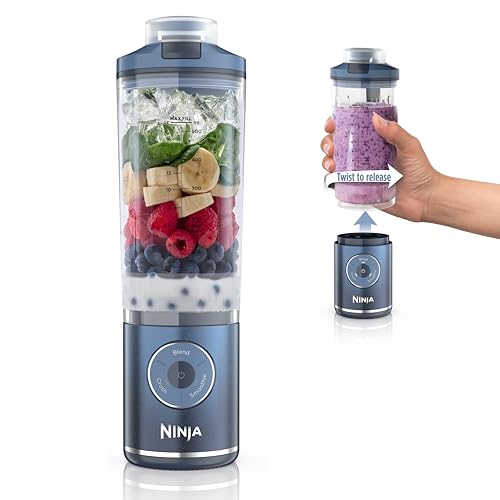
BLEND, TWIST & GO: Detachable base is the first of its kind for ultimate portability. Powerfully blend, twist and take your smoothie on-the-go virtually anywhere.

14" Big Dominance: Command attention with a sleek, bold design built for speed (32 KPH!) and stability across waves – perfect for kids, teens, adults and family battles

TAKE ANYWHERE: The lightweight, compact and easy to carry portable blender with its soft silicone handle and 300ml capacity is ideal for mixing and enjoying your drinks at the park, the gym and wherever you go
Choosing Soft or Pre-Soaked Ingredients

Choosing soft or pre-soaked ingredients is essential for best performance with our portable blenders. Soft ingredients, like bananas and avocados, blend easily and create a creamy texture. We should also consider pre-soaked nuts and seeds. Soaking them for a few hours in water will soften them, enhancing blending efficiency and boosting nutrient absorption. This practice helps prevent motor strain, minimizing the risk of jamming the blades. Using soft or hydrated fruits and vegetables guarantees a clean, efficient blending process. Not only does this lead to better results, but it also maintains the longevity of our blender by preventing overheating. Additionally, incorporating ingredients with high motor power allows us to avoid potential damage while maximizing our blender’s potential.
Immediate Cleaning After Use

Cleaning your portable blender immediately after use guarantees it stays in top shape. We recommend rinsing the cup and blade assembly with warm water right after blending. This helps us remove stuck ingredients easily. For a deeper clean, let’s blend warm water with a few drops of mild dish soap for a quick self-cleaning cycle. After this, a thorough rinse is vital for avoiding residue and soap buildup. Additionally, avoiding reassembling parts while they’re wet is essential. This prevents moisture from being trapped, which can lead to mold. It’s also a good idea to check seals and gaskets regularly to verify they’re in good condition, as this affects the blender’s long-term performance. Keeping the components dishwasher-safe ensures that cleaning remains hassle-free and efficient.
Keeping the Motor Base Dry
When it comes to maintaining our portable blender, keeping the motor base dry is critical. We should always clean it with a dry or lightly damp cloth. This prevents water from entering the electrical components, which can cause corrosion. It’s vital to avoid submerging the motor base in water. Doing so can lead to severe operational issues, voiding our warranties. During cleaning, we need to guarantee the USB charging port remains dry to protect against moisture damage and potential short-circuiting. After cleaning, we should store the blender in a dry area and let all parts dry thoroughly. Regularly inspecting the motor base for wear or damage is also important, keeping it functioning longer and avoiding any moisture-related problems. Using a model with automatic self-cleaning options can also help in maintaining hygiene without risking damage to the motor base.
Avoiding Overloading the Blender
To guarantee your portable blender operates effectively, we should always follow some key guidelines for avoiding overloading. First, we must adhere to the maximum fill line. This helps prevent strain on the motor during our blending on the go. It’s best to stick to softer ingredients and pre-soaked items, avoiding anything overly crunchy or frozen. We should limit our ingredients to 1.5 cups of fruit and 0.5 cups of greens for ideal blending. If we notice the blender struggling, it’s wise to reduce the contents immediately. Additionally, regularly checking the seals and gaskets for residue is essential; any blockages can lead to overloading and hinder performance. By following these tips, we’ll guarantee the longevity and effectiveness of our portable blenders. Moreover, understanding the importance of precise temperature control in other appliances can also enhance our overall kitchen experience.
Safe Handling Around Children
Ensuring a safe environment around children when using a portable blender is essential. Always supervise children during use to prevent accidents, particularly with sharp blades. When the blender isn’t in use, keep it out of reach, ideally secured in a locked cabinet or on a high shelf. For older kids, we should teach them about the dangers of touching the blender while it’s plugged in or charging. Use child-proof safety locks or lids when applicable to prevent unauthorized access or accidental activation. If children are old enough to help, clearly explain the operational buttons and safety features, ensuring they understand safe usage practices. By taking these precautions, we create a safer cooking environment for everyone. Additionally, educating children on the importance of material safety considerations can enhance their awareness of safe handling practices with kitchen appliances.
Recommended Products

RESORT-STYLE FROZEN DRINKS: Margarita Girl's Double Mini Slushy Machine turns your favorite beverage into a resort-style frozen slushy. Delight your guests with a variety of alcoholic and non-alcoholic frozen drinks. This high-capacity residential-grade model does not use ice or an external water line and makes up to 50 cups of frozen margaritas, daiquiris, piña coladas, and more to keep the party going!
Soundproofing & Privacy:our acoustic room divider panel is crafted with acoustic foam and felt to help reduce noise and create a quieter, more private environment; The foldable design uses flexible, soft materials for safety, ideal for home office, workspace, study rooms, bedrooms, and office use, especially for remote workers, students, and professionals; Improve focus, reduce distractions, and enhance privacy with this freestanding acoustical wall

Regular Maintenance for Longevity
Regular maintenance of our portable blender greatly enhances its longevity and performance. To start, we should clean it thoroughly after each use to avoid residue and odors, which guarantees ideal performance. After cleaning, we need to let all parts air-dry completely in a dry place, preventing moisture-related issues. It’s wise to charge our blender after each use to maintain battery health. Be gentle with cleaners, avoiding bleach and harsh chemicals to protect the materials. Finally, let’s inspect the seals and gaskets regularly for any signs of wear. By committing to this regular maintenance routine, we can prolong our blender’s lifespan and enjoy perfectly blended, delicious drinks for years to come. Additionally, many models feature self-cleaning functions, providing even greater convenience for busy users.
Recommended Products

Power. Anything. Anywhere. This portable backup power supply is versatile enough to keep things running off grid or during an emergency power outage. Power phones, electric barbecues, laptops, TVs and more; includes 1 power station, 1 wall charger and 1 user guide.

Ditch The DJ Controller, Discover the Power of PRIME - Full-featured, ultra portable 2 deck smart DJ console with 7 inch HD gesture controlled touchscreen powered by Denon DJ’s ENGINE OS

The Safest Electric Unicycle (EUC): The INMOTION V9 is the world’s first e-unicycle to achieve full-device UL certification, setting a new safety benchmark for personal transportation
Recognizing Indicator Light Alerts
Ever wondered what those flashing lights on your portable blender mean? We all see those indicator lights, but knowing what they signify is essential for avoiding operational failures. A flashing white and red light usually means improper assembly or overheating. If you see five red blinks, check the glass jar—it’s not correctly fitted. Make sure it’s aligned and secure to start blending. Ten red blinks? Your battery’s running low, so plug it into the charging port using the Type-C cable. Also, inspect the contact points between the base and pitcher for debris that can cause alerts. For specific issues, refer to the user manual for error codes—keeping it handy is a smart move for any user. Additionally, understanding different energy consumption ratings can help you choose the right portable blender for your needs.
Frequently Asked Questions
What Are the Safety Precautions While Using a Blender?
To guarantee safety while using a blender, we should focus on safe blending techniques, practice blender maintenance tips, and prioritize kitchen accident prevention by checking components and avoiding overfilling or improper cleaning methods.
How to Use a Rechargeable Portable Blender?
Using a rechargeable portable blender is like crafting a masterpiece. We’ll gather our ingredients, explore blender recipes, apply blending techniques, then blend with care and enjoy our creations while remembering maintenance tips for longevity.
Can You Bring a USB Blender in Hand Carry?
Yes, we can bring a USB blender in our hand carry. By adhering to air travel regulations and carry-on restrictions, we guarantee smooth security checks while enjoying the portability and convenience it offers during our trips.
What Are the Disadvantages of Portable Blenders?
Aren’t we all tempted by convenience? However, portable blenders often face power limitations and decreased efficiency compared to traditional blenders. Their smaller size may hinder blending larger batches, impacting our meal prep efforts considerably.


