As an Amazon Associate, we earn from qualifying purchases. Some links on this site are affiliate links at no extra cost to you. Our recommendations are based on thorough research and editorial judgment.


Electric Griddles: Heat Zones and Preheating Myths

When using electric griddles, understanding heat zones is essential. The center cooks hotter, perfect for searing, while cooler edges are good for keeping items warm. It’s important to preheat your griddle for 10 to 15 minutes to enhance texture and prevent sogginess. A quick water drop test can show readiness when the droplets sizzle. Regular cleaning improves heat distribution, and adjusting food placement based on these zones guarantees even cooking. If you’re looking for more tips, keep exploring!
Key Takeaways
- Electric griddles have heat zones, with the center being the hottest, ideal for searing and crispy outcomes.
- Proper preheating for 10 to 15 minutes is crucial for achieving even cooking and preventing dishes from becoming soggy.
- The water drop test can confirm griddle readiness; water should sizzle and evaporate immediately when dropped.
- Positioning food according to heat zones helps ensure even cooking; delicate items should be on the cooler edges.
- Regular cleaning and maintenance are essential for optimal heat distribution and extending the griddle’s lifespan.
Understanding Heat Zones in Electric Griddles
When we start cooking with electric griddles, understanding heat zones is crucial for great results. Most griddles have a hotter center due to the heating elements, while the edges stay cooler. This allows us to prepare different foods simultaneously without overcooking. Many models reach up to 450 degrees Fahrenheit, but heat distribution can vary. For even cooking, we should place foods in batches, keeping an eye on where we position them on the hot and cold spots. For instance, use the center for searing meats and the cooler edges for keeping pancakes warm. By becoming familiar with our griddle’s unique heat zones, we can greatly enhance cooking efficiency and guarantee every item is served deliciously cooked. Utilizing multiple temperature settings can further optimize our cooking experience and ensure every dish turns out perfectly.
Recommended Products
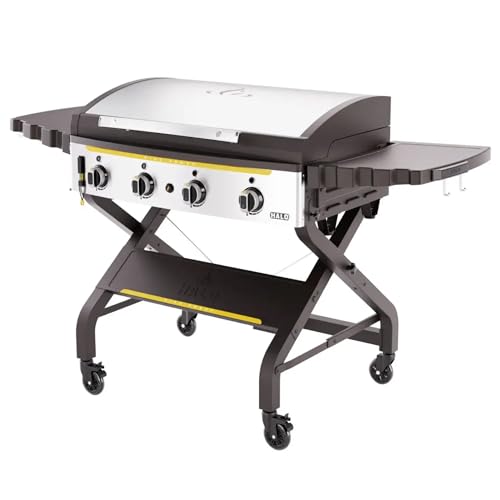
NO COLD SPOTS >> Enjoy precise temperature control and wall-to-wall even cooking across eight zones with this 4-burner griddle.

COMMERCIAL: 4-row automatic function; All-in-one forming, frying, flipping & counting; ideal for high-demand donut businesses

{COMMERCIAL GRADE} Durable stainless steel construction is built for long lasting use in busy commercial kitchens! Warranty is void if used in a residential setting
The Importance of Proper Preheating

To maximize our cooking experience on electric griddles, proper preheating is vital. This process typically takes about 10 to 15 minutes, which guarantees our cooking surface reaches ideal temperatures. Skipping preheating can lead to unevenly cooked meals and undesirable textures. To test if the griddle is ready, we can drop a bit of water on it; if it sizzles and evaporates quickly, we’re good to go! Proper preheating enhances browning and flavor, allowing the Maillard reaction to create a delicious crust. Additionally, just like in a bubble tea maker, a well-preheated griddle means we spend less time cooking and can control food placement and timing better. Remember, timing and temperature are essential for achieving crunchy and perfectly cooked results.
Common Preheating Myths Debunked

Many of us fall victim to common myths surrounding preheating electric griddles. One major misconception is that they’re ready as soon as we connect them. In reality, a full 10 to 15 minutes of preheating is needed to achieve ideal cooking temperatures. Skipping this step can leave our food soggy, especially pancakes and eggs. Another myth is that electric griddles heat evenly. In fact, hot spots often appear over heating elements, leading to uneven cooking. A simple test involves dropping a small amount of water on the surface; if it sizzles and evaporates quickly, we understand the griddle is adequately preheated. Taking these steps enhances browning, texture, and overall food quality. Additionally, utilizing electric griddles with adjustable temperature controls allows for improved cooking versatility across various dishes.
How Heat Distribution Affects Cooking
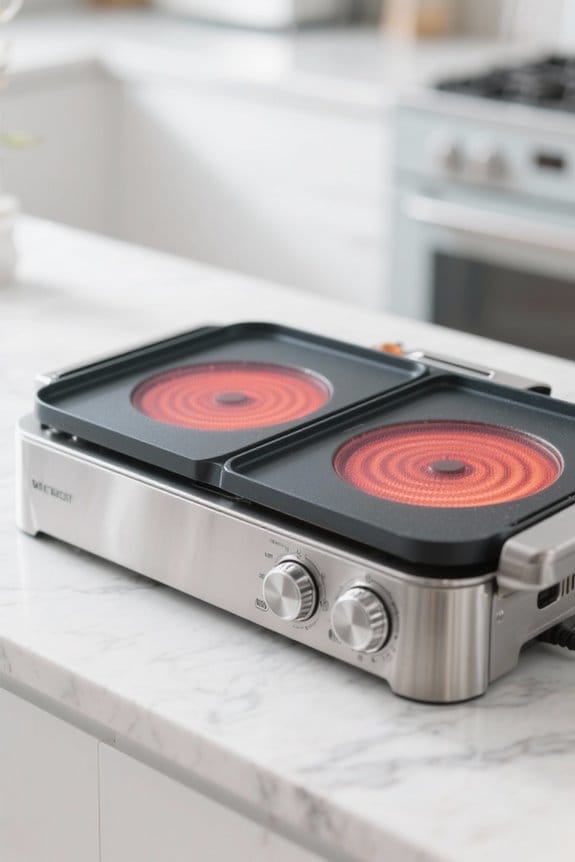
Understanding how heat distribution impacts cooking on electric griddles can greatly improve our results. The heat typically concentrates in the center of the griddle surface, leading to vibrant, crispy results there, while the edges remain cooler. Knowing this, we can strategically place our food for ideal cooking temperatures. We can sear meats in the center while using the perimeters to keep delicate items warm without burning them. Electric griddles made from thicker materials, like cast iron or aluminum, offer better heat retention and even cooking. When we adjust the positioning of our food, we adapt to hot spots, preventing overcooking and ensuring everything turns out just right. This simple strategy can enhance our cooking and maximize the griddle’s overall functionality. Additionally, using proper heat distribution ensures that food cooks evenly, much like the convection ovens that utilize hot air circulation for efficient cooking.
Identifying Hot Spots on Your Griddle

Identifying hot spots on your electric griddle can make a big difference in your cooking results. Most griddles have hot spots directly above the heating elements. Typically, the center retains the most heat, while the edges remain cooler. This heat distribution can affect our cooking efficiency, causing uneven cooking if we’re not careful. To pinpoint these hot spots, we can test our griddle with a drop of water. If it sizzles quickly, we’ve found a hot spot. We should be mindful of thin heating plates, as food placed directly above may burn. By learning where the hotter areas are, we can position our food wisely and enjoy perfectly cooked meals without the crunchy edges or fizzing failures. Using a non-stick coating can also enhance the cooking experience by preventing food from sticking to the griddle surface.
Adjusting Cooking Techniques for Heat Zones
Knowing where the hot spots are on our electric griddle helps us adjust our cooking techniques effectively. The center retains more heat, making it ideal for cooking pancakes or eggs. We should place those items in the center, where temperatures can reach about 375°F. For foods that need lower temperatures, like tortillas or warm veggies, we can position them toward the cooler edges, around 250°F. Using a lid can also help retain heat and promote even cooking. Regularly monitoring our food placement enhances results by preventing uneven cooking. Adjusting cooking techniques based on the specific heat zones of our electric griddles guarantees a uniform culinary experience and minimizes issues with undercooked or burnt meals. Additionally, considering energy efficiency features during cooking can further enhance the overall cooking experience and reduce power consumption, aligning with energy-efficient models that emphasize reduced electricity use.
The Role of Outdoor Conditions on Griddle Temperature
Although outdoor conditions can sometimes pose challenges, they considerably impact the temperature of our electric griddle. Cold weather makes heating it take longer. We should preheat our griddle for at least ten minutes in chilly environments to guarantee it reaches the right temperature. When temperatures drop, the surface may not cook food evenly. High winds exacerbate heat loss, so we need to monitor and adjust heat settings frequently. If we’re working with outdoor griddles, it might require a higher initial heat setting to maintain cooking efficiency. Additionally, when adding food, the temperature can drop rapidly, affecting cooking times. Staying aware of these factors helps us achieve perfectly cooked meals, even under less-than-ideal conditions. To ensure optimal cooking, it is also beneficial to consider temperature control and efficiency features available in indoor grills.
Utilizing Even Cooking Areas Effectively
To make the most of our electric griddle, we should recognize how to utilize its even cooking areas effectively. Electric griddles often have a center heating zone that runs hotter than the edges. By using this surface wisely, we can enhance our cooking. For example, we can sear meats in the center while keeping items warm on the cooler edges. Stagger placement of cooking items to avoid overcrowding high-temperature spots. This promotes better browning and texture. We should also rotate items frequently from the center to edges based on cooking needs. Understanding these techniques will help us manage temperature effectively, making our griddle work for us and ensuring tasty, crispy meals each time. Additionally, using a proper maintenance routine will help extend the griddle’s lifespan and performance.
Best Practices for Preheating Your Electric Griddle
How can we guarantee our electric griddle performs at its best? First, we need to prioritize preheating. Let’s preheat our electric griddle for 10 to 15 minutes, allowing it to reach 350°F to 450°F. This temperature range guarantees even heat distribution for effective cooking. To check if we’re ready, we can drop a small amount of water on the surface. If it dances and evaporates quickly, our griddle’s preheated. When we fail to preheat, our food can turn soggy instead of crunchy. Consistent preheating not only improves cooking efficiency but also enhances flavor and texture. We want our meals to resemble those served in restaurants, so let’s make preheating an essential step in our cooking routine. Additionally, using non-stick plates can further enhance the cooking experience, ensuring that food releases easily and cleanup is quick.
Recommended Products

Efficient Machine: This is a professional commercial egg tart pie press machine, which can process 13 shells at a time. Shell size: 60x60x16 mm(2.36"x0.63"),it only takes you about 0-10 minutes to make 13 tarts at one time with high working efficiency
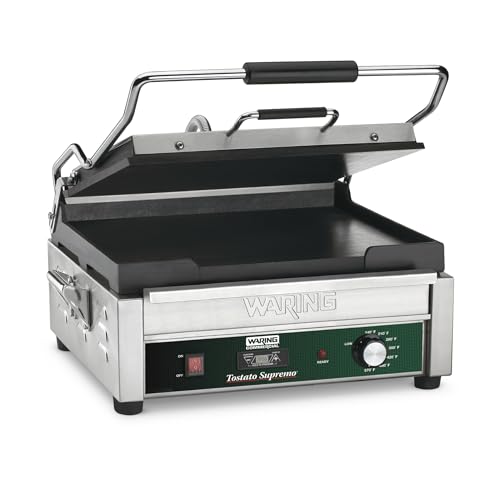
Hinged, auto-balancing top plate suits foods up to 3" thick

Hinged, auto-balancing top plate handles foods up to 3” thick
Tools to Monitor Griddle Temperature
It’s essential to monitor the temperature of our electric griddle for ideal cooking. An infrared thermometer gun provides instant surface readings, helping us identify hot and cold spots effectively. For meat, an instant-read thermometer is vital to guarantee internal temperatures exceed 165°F, particularly for poultry. While preheating, we can observe the reaction of butter or oil; bubbling indicates a suitable heat level, while slow melting reveals a cooler surface. Using water drops can also help test readiness; they should sizzle and evaporate quickly. Familiarizing ourselves with the griddle’s temperature dynamics enhances our cooking effectiveness, as heat distribution varies based on food placement. Overall, these tools keep our cooking consistent and reliable, so our meals turn out perfectly cooked every time. Additionally, maintaining proper handling techniques for our cooking equipment contributes significantly to preventing damage and ensuring longevity.
Tips for Cooking Multiple Items at Once
Cooking multiple items at once can be a game changer for meal prep. On our flat top grill, we should space items evenly to guarantee ideal heat distribution. Overcrowding leads to uneven cooking, which we want to avoid. Use high heat in the center for meats that need a quick sear while placing slower-cooking items on the cooler edges. Start by cooking longer items first, and then add quicker ones like crunchy vegetables or fizzy eggs. It’s wise to monitor hot spots and cold zones, moving food around as needed. Finally, consider cooking in smaller batches to maintain overall temperature, assuring each item cooks properly without dropping the heat too much when adding new food.
Recommended Products

84-Inch Outdoor BBQ Island with Flexible Storage: Upgrade your patio with this spacious 84-inch BBQ island, designed for grilling, food prep, serving, and entertaining. Multiple cabinets and storage drawers provide convenient space for grill tools, cookware, propane accessories, and outdoor kitchen essentials. The modular design with lockable casters makes it easy to move, reposition, or store for different patio layouts and seasonal needs.

Omnivore Griddle Plate Technology: The Omnivore griddle plate has faster preheat and recovery times, more even heat distribution, higher fuel efficiency, and built-in wind guards
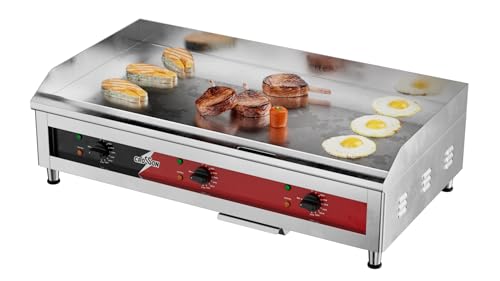
Even And Consistant Cooking:The 1/2" thick steel cooking surface heats evenly throughout for consistent cooking results, no matter where you place your food on the griddle plate.
Maintenance to Enhance Heat Distribution
To achieve great results with our electric griddle, maintenance is key. Regularly cleaning the griddle helps prevent residue build-up, guaranteeing ideal heat distribution. We’ll want to pre-season the cooking surface with oils that suit our cooking style. This enhances the nonstick properties and promotes even cooking. Next, it’s vital to check the heating elements; any damage can lead to uneven heat zones. Using the tilt function effectively aids in draining excess moisture and fat, improving food texture. To extend our griddle’s lifespan, storing it properly, away from dust and moisture, is fundamental. Remember, by making these simple yet effective maintenance efforts, we can guarantee our electric griddle operates smoothly, providing us with consistently delicious results.
Frequently Asked Questions
What Not to Cook on an Electric Griddle?
We wouldn’t recommend cooking greasy foods, delicate pancakes, or thick steaks on an electric griddle. Each can easily lead to disasters, leaving us wrestling with burnt edges, sticking mishaps, and a kitchen battlefield we didn’t sign up for!
Do Electric Griddles Heat Evenly?
No, electric griddles don’t heat evenly. We’ve noticed significant temperature variations, especially between the center and edges. By adjusting our cooking techniques and food placement, we can help improve heat distribution for better results.
Do You Have to Preheat a Griddle?
Absolutely, we’ve gotta preheat our griddle! Without those preheating benefits, our pancakes might resemble sad blobs. By mastering temperature settings and following griddle cooking tips, we’ll achieve culinary perfection every time!
What Are the Disadvantages of an Electric Griddle?
Electric griddles have drawbacks like temperature control issues and the maintenance required for various cooking surface materials. We should also consider the uneven cooking results and challenges in keeping them clean over time.


